
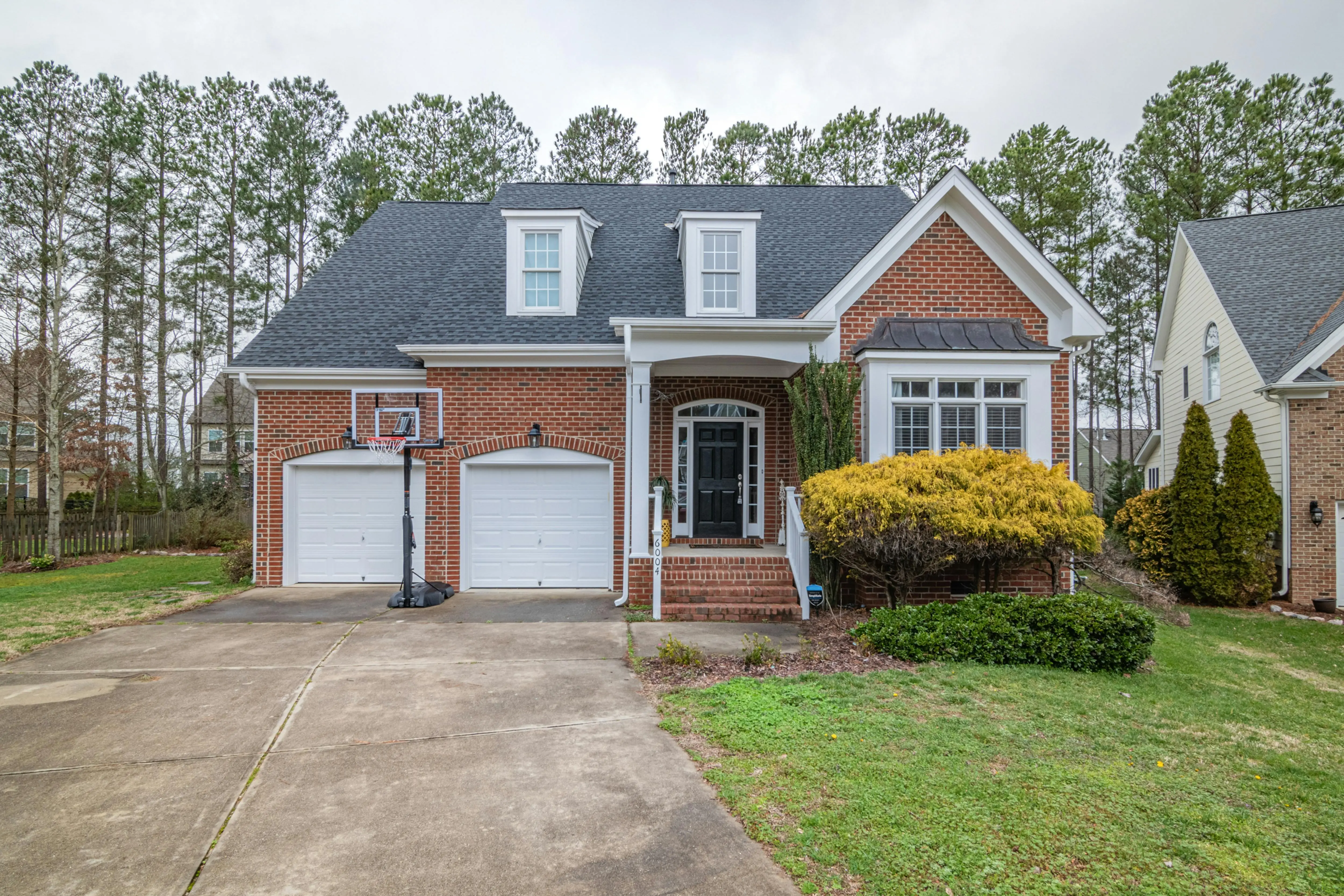
What a Driveway Environmental Assessment Really Is
Before you pour new concrete, asphalt, or pavers, it pays to look down—literally. A Driveway Environmental Assessment is a quick, non-invasive investigation that checks the soil under and around your driveway for petroleum products, heavy metals, pesticides, and other contaminants. Think of it as a “physical exam” for your property: you want to know if anything toxic is hiding before you disturb the ground or let kids play near it.
Most homeowners first hear about the process when a contractor mentions an “Phase I ESA” (Environmental Site Assessment) or when the city requires a report for a driveway expansion. The good news? A limited, driveway-specific assessment costs far less than a full site study and can usually be completed in 3–5 business days.
Why Homeowners Should Care About Contaminated Soil
Health & Safety First
Petroleum hydrocarbons, lead, and solvents can migrate into the air you breathe or the vegetables you grow. Children and pets are most at risk because they touch bare soil and put hands in mouths.
Legal Liability
If you sell the house later and the buyer’s lender finds contamination, you—not the previous owner—may be on the hook for cleanup. A pre-project assessment documents baseline conditions and protects you legally.
Project Cost Control
Excavating 50 tons of dirty soil mid-project can add $3,000–$8,000 in disposal fees. Knowing upfront lets you budget correctly or choose a less-invasive driveway design (e.g., permeable pavers over a geotextile base).
Permit Requirements
Many cities now ask for a “soil management plan” when you increase impervious cover. Having the assessment in hand speeds permits and avoids last-minute delays.
Red-Flag Signs You Need a Contaminated Soil Check
- Stained or oily patches that don’t go away after rain
- Petrol or solvent smells, especially on hot days
- Grass or plants that refuse to grow along the driveway edge
- Your home was built before 1985 (lead-based gasoline residue) or before 1978 (lead paint flakes)
- Neighboring properties have underground heating-oil tanks or auto-repair history
- You’re adding a turnaround, EV-charging pad, or widening by more than 25 %
The Step-by-Step Driveway Environmental Assessment Process
Step 1: Desktop Research (Half-Day)
Your environmental professional pulls fire-insurance maps, historic aerial photos, and state spill records to see if the land ever hosted a gas station, dry cleaner, or mechanic shop.
Step 2: Site Reconnaissance (1–2 Hours on Site)
The inspector photographs staining, maps drainage patterns, and uses a photo-ionization detector (PID) to sniff for volatile organic compounds (VOCs) right through the pavement seams.
Step 3: Soil Sampling (Same Day)
Using a hand auger or small drill rig, the tech collects 3–5 samples at 1 ft, 3 ft, and 6 ft depths. Samples are split into jars for laboratory analysis—typically EPA Method 8260 for VOCs and metals by Method 6020.
Step 4: Lab Results & Risk Evaluation (3–4 Days)
Results are compared to your state’s residential soil standards. If levels exceed limits, the report will outline options: leave-in-place with an asphalt cap, on-site treatment, or off-site disposal.
Step 5: Report & Recommendations
You’ll receive a 10–15 page PDF summarizing findings, tables of detected chemicals, and a simple “next-steps” flowchart you can hand to your driveway contractor.
DIY Pre-Screen: Four Quick Tests Before You Call the Pros
- Visual Sweep: Look for rainbow sheen after rain. Snap photos with your phone GPS on.
- Smell Test: On a warm afternoon, kneel and sniff close to expansion joints. A sharp, sweet odor often indicates benzene or toluene.
- Home Lead Swab: $10 kits at hardware stores can detect lead in soil scrape samples down to 50 ppm—good enough to decide if you need a full metals scan.
- Soil Jar Shake: Fill a jar halfway with soil, add water, shake, and let settle. A thick oily film on top is a red flag.
If any test is positive, call a certified assessor. DIY results aren’t legally defensible, but they save you the cost of a site visit if everything looks clean.
What Does a Driveway Environmental Assessment Cost?
Basic Package – $550–$800
- Desktop study, site walk, 3 shallow soil samples, standard VOC + lead screen
Standard Package – $900–$1,400
- Everything above plus 2 deeper borings, total petroleum hydrocarbons (TPH), and a 2-page summary letter for your permit office
Complex or Rush Jobs – $1,500–$2,500
- Includes arsenic, pesticides, and asbestos screening; 24-hour lab turnaround; certified engineer stamp
Money-Saving Tip: Bundle the assessment with your geotechnical soil compaction test. Most firms will knock 15 % off when both services are scheduled together.
How Your Driveway Contractor Should Help
A reputable contractor will:
- Request the assessment report before bringing in heavy equipment
- Adjust the excavation depth to avoid contaminated layers when possible
- Provide a soil management plan that specifies where spoils will be stockpiled and how they’ll be trucked out
- Carry pollution liability insurance that covers accidental spills during removal
Ask to see the insurance certificate and make sure the policy limit is at least $1 million per occurrence.
Understanding Lab Results: A Homeowner’s Cheat Sheet
Key Chemicals & Safe Levels (Residential)
| Contaminant | Typical Limit (ppm) | What It Means for You |
|---|---|---|
| Lead | 400 | Above limit requires cap or removal if kids present |
| TPH (gasoline) | 100 | Odors, fire risk; asphalt cap usually acceptable |
| Benzene | 0.05 | Carcinogen; even low exceedances trigger cleanup |
| Arsenic | 10 | Common in old pesticide sprays; may need soil blending |
Reading the Report Language
“Exceeds background but below commercial screening level” = still unsafe for homes. Always look for the phrase “meets residential direct-contact criteria” before you sign off.
Remediation Options if Soil Is Contaminated
Option 1: Cap-In-Place (Cheapest)
Add 4 in. of clean aggregate and a new asphalt or concrete layer. This prevents human contact and meets most state rules if petroleum levels are moderate.
Option 2: Soil Removal & Disposal
Excavate to clean depth, stockpile on plastic sheeting, and haul to a licensed landfill. Budget $75–$120 per ton plus trucking.
Option 3: On-Site Bioremediation (Eco-Friendly)
For light petroleum, tilling in oxygen and nutrients can cut TPH in half within 6–12 months. You’ll need a temporary grass cover and follow-up testing.
Option 4: Permeable Paver System
Geotextile fabric plus open-graded stone acts as both a cap and a filter, reducing runoff. Many cities grant storm-water fee discounts for this approach.
Federal & State Regulations You Should Know
- EPA All Appropriate Inquiry (AAI) Rule: Defines minimum requirements for environmental assessments. Your driveway report won’t need full AAI unless you’re seeking liability protection under CERCLA, but following the rule strengthens legal defensibility.
- State Voluntary Cleanup Programs (VCPs): Offer streamlined standards and a “no further action” letter once work is complete—handy for resale.
- Local Fire Department Rules: May require 24-hour advance notice if you’re removing more than 5 cubic yards of petroleum-impacted soil.
Always check with your city engineer; a quick 5-minute call can save weeks of permit rewrites.
Long-Term Benefits of Doing It Right
- Higher resale value—buyers love a clean environmental record
- Lower insurance premiums; some carriers offer 10 % discounts with a “no further action” letter
- Peace of mind when kids play basketball or chalk art on the driveway
- Protection against future EPA rule changes that could tighten soil standards
Frequently Asked Questions
Fieldwork is usually completed in 1–2 hours, and lab results arrive within 3–4 business days. Expect the final report within one week unless you request complex tests like dioxins, which can add 10 days.
Minor. The technician drills 1–2 inch diameter holes through expansion joints or damaged areas; cores are patched with quick-set epoxy or cold-patch asphalt the same day. If the driveway is sound, samples can be taken from the adjacent planter strip instead.
In most states, the current property owner is responsible. However, if you can prove a prior owner caused the spill (via old insurance claims or photos), you may recover costs in small-claims court. Starting the assessment before you complete the purchase gives you leverage to negotiate seller credits.
You can, but it’s risky. Grinding off an old asphalt layer can release trapped vapors, and any future buyer may still ask for soil data. A basic screen costs under $600—cheap insurance compared to a lost sale or surprise health issue later.