
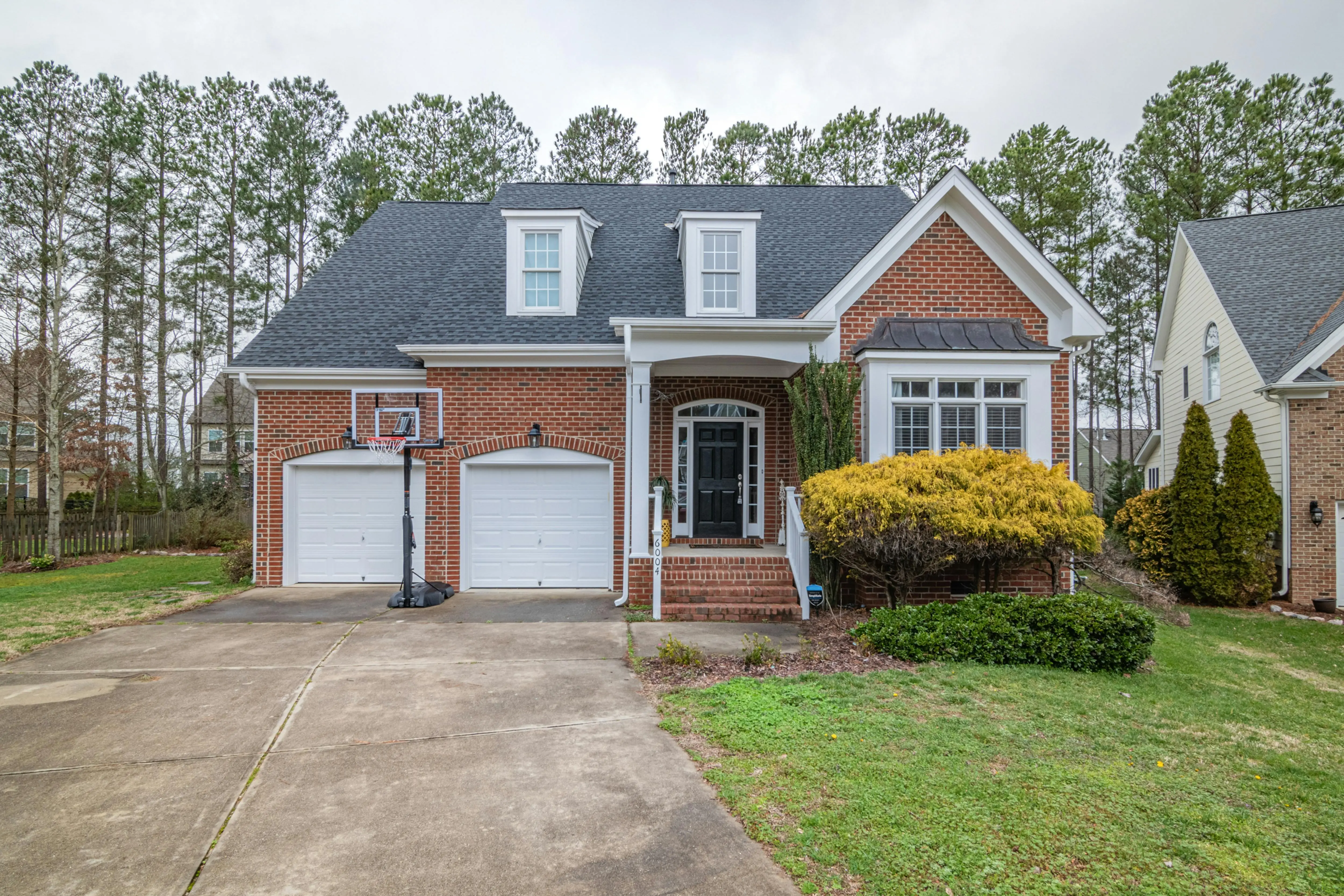
What Exactly Is Driveway Encroachment?
Driveway encroachment happens when a neighbor, visitor, city fixture, or even your own landscaping crosses the legal boundary of your driveway. The intrusion can be as subtle as a trash-can placement or as obvious as a garage slab poured six inches over the line. Left alone, these overlaps can lower property value, spark legal battles, and make snow removal or future widening impossible.
The good news: most encroachments are solvable without attorneys—if you act early and follow a clear process. Below, we break down how to identify, document, and fix the problem while keeping neighborhood peace intact.
How to Spot Encroachment Before It Becomes a Headache
Walk the Line—Literally
Grab a metal tape measure and your property survey (or the PDF on your county website). Starting at the nearest pin or monument, measure to the edge of the pavement. If the driveway is 12 ft wide on paper but you’re staring at 12 ft 10 in of concrete, something’s gone sideways.
Red-Flag Scenarios
- A neighbor’s car parked with two wheels on your apron every morning
- The city’s new sidewalk ramp cutting into your paved approach
- A shared drainage swale filled in and paved over by the guy next door
- Fence posts or landscape timbers sitting on the driveway’s flare
Photo & Video Tips
Shoot wide-angle shots that include a tape measure or a yardstick. Add date stamps. Save the originals—filters and edits can hurt credibility in mediation.
Gather the Paperwork That Wins Arguments
Must-Have Documents
- Plat or Survey: Shows exact lot dimensions and easements.
- Title Report: Lists recorded easements and setback rules.
- Local Zoning Code: Gives driveway width and clearance minimums.
- HOA Covenants: Many subdivisions have stricter rules than the city.
Where to Get Them Free (or Cheap)
Surveys are often filed with your mortgage closing docs. County GIS portals let you overlay lot lines on aerial photos for zero cost. If you need a new survey, expect $400–$800 for a typical city lot—money well spent if court becomes likely.
How to Talk to Your Neighbor Without Starting a Feud
The 10-Minute Coffee Rule
Knock on the door with a smile and a single printout—an aerial image with the lot line highlighted. Avoid words like “illegal” or “you’re trespassing.” Instead try: “I’m getting quotes to widen the driveway next spring and my survey shows the line runs right here. Can we look at this together?”
Offer Easy Fixes First
- Move the trash cans to the opposite side of their walk
- Swap a planted berm for a low-profile flower bed inside their yard
- Share the cost of a new joint edging stone that looks good on both sides
When you shoulder part of the expense, you turn a boundary into a collaboration.
When (and How) to Involve the City or HOA
Code Enforcement Path
Most municipalities have a “Citizen Complaint” portal. Upload your survey, photos, and a short description. An inspector flags the issue and mails a violation notice. The neighbor usually gets 30–45 days to correct it—no cost to you.
HOA Architectural Review
If covenants define driveway widths or prohibit parking on a neighbor’s apron, submit a written complaint to the architectural committee. Include the same evidence packet. HOAs can levy fines or place a lien faster than city hall.
Legal Options: From Friendly Agreements to Court Orders
License or Easement Agreement
Sometimes you don’t mind the encroachment—say, a neighbor’s downspout extension crosses two inches of your apron. A simple license letter, notarized and recorded, gives revocable permission and protects future buyers.
Quiet Title or Declaratory Judgment
If the neighbor claims adverse possession (they’ve used the strip for decades), you may need a judge to affirm your ownership. Budget $2,500–$5,000 in legal fees, but the victory clears title and often shifts court costs to the losing party.
Small-Claims Boundary Suit
Many states allow suits up to $5,000–$10,000 for property damage. You can recoup the cost of tearing out and repouring concrete that was poured on your side.
Physical Removal vs. Work-Around Solutions
Partial Removal
A concrete saw can zip off a 6-in strip for around $4 per linear foot. Patch the fresh edge with a decorative border brick—cheaper than repaving the whole drive.
Shift, Don’t Remove
Landscape curbs or Belgian block edging can relocate the visual line without demolition. Costs $12–$18 per foot installed and keeps both parties happy.
When You Need Full Replacement
If structural integrity is compromised (e.g., rebar ties two slabs together), removal and repour is the only fix. Budget $8–$12 per sq ft for plain concrete, more for stamped or colored finishes.
Typical Costs for Common Scenarios
| Scenario | DIY Cost | Pro Cost |
|---|---|---|
| 6-in concrete strip removal | $150 (rental saw + blades) | $300–$500 |
| New survey | Not advisable | $400–$800 |
| License agreement recording | $35 recording fee | $200–$400 (attorney) |
| Border edging install (50 ft) | $400 materials | $600–$900 |
Prevention: Keep Encroachment from Happening Again
Mark the Line Visibly
Install 18-in steel stakes flush with soil every 10 ft, then top with decorative caps. Painters’ tape on fresh asphalt works short-term.
Add a Low Fence or Rail
A 2-ft aluminum estate rail along the edge stops cars and basketballs without looking fortress-like. Cost: $22–$28 per foot.
Annual Driveway Audit
Every spring, walk the perimeter with your survey in hand. Catching a fresh flower bed or trailer parking early prevents “adverse possession” claims.
Frequently Asked Questions
Generally, the person who created the encroachment pays. If both parties benefit from a new, cleaner joint line, splitting the cost keeps the peace. Get any cost-share agreement in writing before work starts.
Not without notice. Send a certified letter giving 30 days to remedy the issue. If they ignore you, court approval or a city violation order protects you from property-damage claims.
Adverse possession periods vary by state—typically 10–21 years of open, continuous, hostile use. Stopping the clock is as simple as sending a “permission” letter or marking the boundary once a year.
Yes, if it’s stamped by a licensed surveyor and less than 10 years old. Older surveys may need updating to reflect any new monuments or GPS adjustments.