
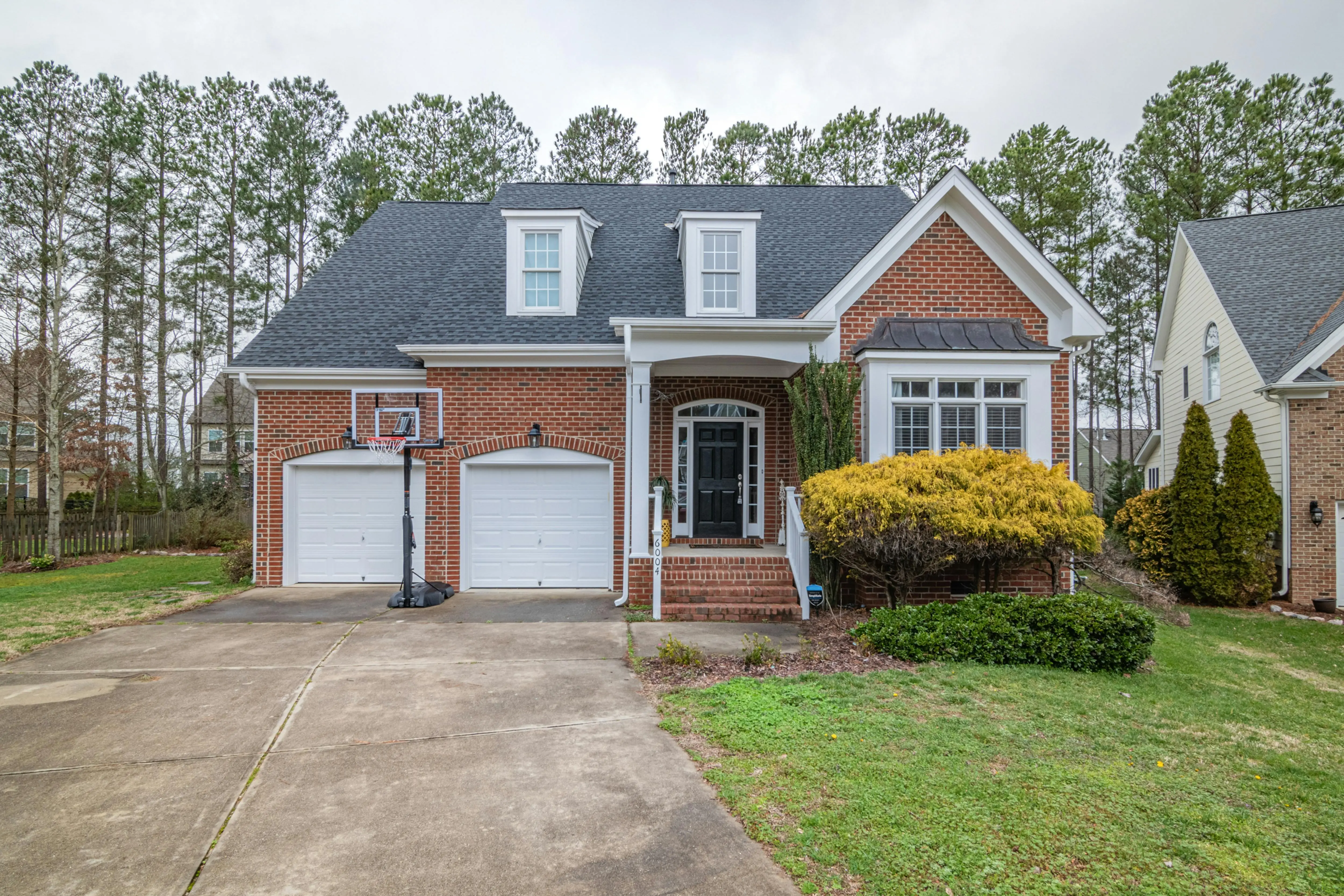
What Is the “Driveway Do Nothing Alternative”?
The phrase Driveway Do Nothing Alternative simply means choosing to postpone major driveway work—seal-coating, resurfacing, or full replacement—until a later date. It’s not neglect; it’s a deliberate, short-term strategy that can save money and prevent unnecessary repairs if the surface is still structurally sound.
Homeowners often feel pressured by door-to-door sales pitches warning that “your driveway will fail this winter.” In reality, many hairline cracks, minor color fading, and small pop-outs are cosmetic. Waiting 6–18 months while you save cash, gather quotes, or plan a larger landscaping project can be the smartest move—as long as you monitor conditions and perform zero-cost maintenance.
Five Signs You Can Safely Wait
Not every imperfection is an emergency. Look for these green lights before you commit to a $3,000–$12,000 replacement.
1. Width of Cracks Is Less Than ¼ Inch
Hairline cracks that fit inside a standard credit-card edge rarely let water penetrate the sub-base. Mark the ends with a Sharpie and check every three months. If the marks haven’t moved in a year, you’re fine to wait.
2. No Edge Break-Offs or “Alligator” Patterns
Alligator (interlaced) cracking or crumbling edges indicate structural failure. If you only see isolated surface blemishes, the base is likely intact.
3. Positive Drainage—No Standing Water After 24 Hours
Water that disappears within a day means the slope and sub-grade are working. Puddles that linger create freeze-thaw damage; those demand quicker action.
4. No Trip Hazards Over ½ Inch
Minor height differences at expansion joints are common. Once a lip exceeds ½ inch, city codes may flag it; schedule repairs before then.
5. You Plan to Sell Within 3–5 Years
If a move is on the horizon, a fresh coat of sealer and crack-fill often returns curb appeal without the steep cost of reconstruction. Buyers rarely ask for core samples; they just want a clean first impression.
Zero-Cost Maintenance While You Wait
Doing nothing doesn’t mean ignoring your driveway. These 15-minute chores prevent small issues from snowballing.
- Sweep weekly: Removes grit that acts like sandpaper under tires.
- Spot weed removal: Pull sprouts immediately; roots widen cracks.
- Keep chemicals off the surface: Fertilizer, mower gas, and de-icers accelerate spalling. Rinse spills with a garden hose.
- Redirect downspouts: Ensure gutters discharge 3 ft away from the driveway edge.
- Avoid heavy point loads: Place plywood under trailer jacks or dumpsters to distribute weight.
How Much Does the “Do Nothing” Route Save?
Prices vary by region, but national averages show why deferral can be attractive:
| Service | Typical Cost (per 1,000 sq ft) | Deferred Interest (12 mo at 8 %) | Total Opportunity Cost |
|---|---|---|---|
| Seal-coat & crack-fill | $400 | $0 | $400 saved now |
| Resurface (1.5" overlay) | $2,800 | $224 | $3,024 saved now |
| Full remove & replace | $6,500 | $520 | $7,020 saved now |
By parking the project for one year and earmarking the cash in a high-yield savings account, you can earn interest instead of paying it. If the surface remains stable, you win twice.
When Waiting Becomes Risky
Below are red flags that override the Driveway Do Nothing Alternative.
Potholes or Sub-Base Exposure
Once the gravel foundation is visible, water erodes it quickly. Repair within 30 days or expect heaving come winter.
Linear Cracks Parallel to Garage Floor
These often signal settlement beneath the apron. Left alone, they can undermine the concrete slab—doubling future costs.
Drainage Reversal Toward the House
Frost heave or tree roots can tilt sections toward your foundation. This risks basement leaks and qualifies as an insurance issue.
Quick Decision Matrix: Repair, Resurface, Replace, or Wait
Score each item 0–3 (0 = none, 3 = severe). Total ≤ 6: Do Nothing is valid. 7–12: Plan crack-fill & seal within 12 months. ≥ 13: Schedule professional evaluation now.
- Crack width > ¼ inch (0–3)
- Edge spalling (0–3)
- Potholes (0–3)
- Standing water (0–3)
- Surface age (0 = <5 yr, 3 = >20 yr)
- Alligator cracking area % (0 = 0 %, 3 = >25 %)
Keep the matrix on your phone; update scores every spring and fall. Data beats guesswork.
Seasonal Timing: When to Revisit the Decision
Climate drives asphalt and concrete deterioration. Use these calendar cues:
Early Spring
Inspect after the final freeze. New cracks that weren’t there in October mean winter took a toll—adjust your wait-and-see timeline.
Mid-Summer
Record surface temperatures with an infrared thermometer. Sustained 140 °F readings soften asphalt and allow minor depressions to form under tire pressure—note any new ruts.
Late Fall
Clear leaves promptly; trapped moisture breeds mildew and freeze-thaw spalling. If you decide to defer another year, schedule one weekend for crack-filling while temperatures are 45–65 °F—ideal for DIY sealant adhesion.
Pro Tips to Extend the “Do Nothing” Window
- Shade cloth or pergola: Reduces UV oxidation on north-south driveways that see all-day sun.
- Limit sharp turns: Dry steering tears the surface. Roll forward slightly before turning the wheel.
- Skip rock salt: Use calcium-magnesium acetate (CMA) if you must de-ice; it’s less corrosive.
- Annual photo log: Stand in the same spot each year; visual timelines reveal slow changes you might miss day-to-day.
Driveway Do Nothing Alternative FAQ
Most contractor warranties cover workmanship (e.g., overlay bonding) and begin the day of installation. If your driveway is past its original warranty, waiting has no effect. For newer driveways still under warranty, read the fine print—some require seal-coating within 12 months, but simple crack-filling is usually enough to stay compliant.
Yes. DIY crack-fill ($30–$50 in material) is considered routine housekeeping, not a major repair. It preserves the status quo without triggering the cost or commitment of a full seal-coat or overlay.
There’s no universal cap, but once your self-scored matrix exceeds 12 or you notice new cracks every season, budget for intervention within the next year. After three consecutive years of visible deterioration, repair costs rise steeply.
Curb appeal matters, but buyers focus on safety and function. A clean, weed-free driveway with minor cosmetic cracks won’t lower appraisals. Just be prepared to offer a small credit if an inspector flags “average” condition; it’s still cheaper than pre-listing reconstruction.