
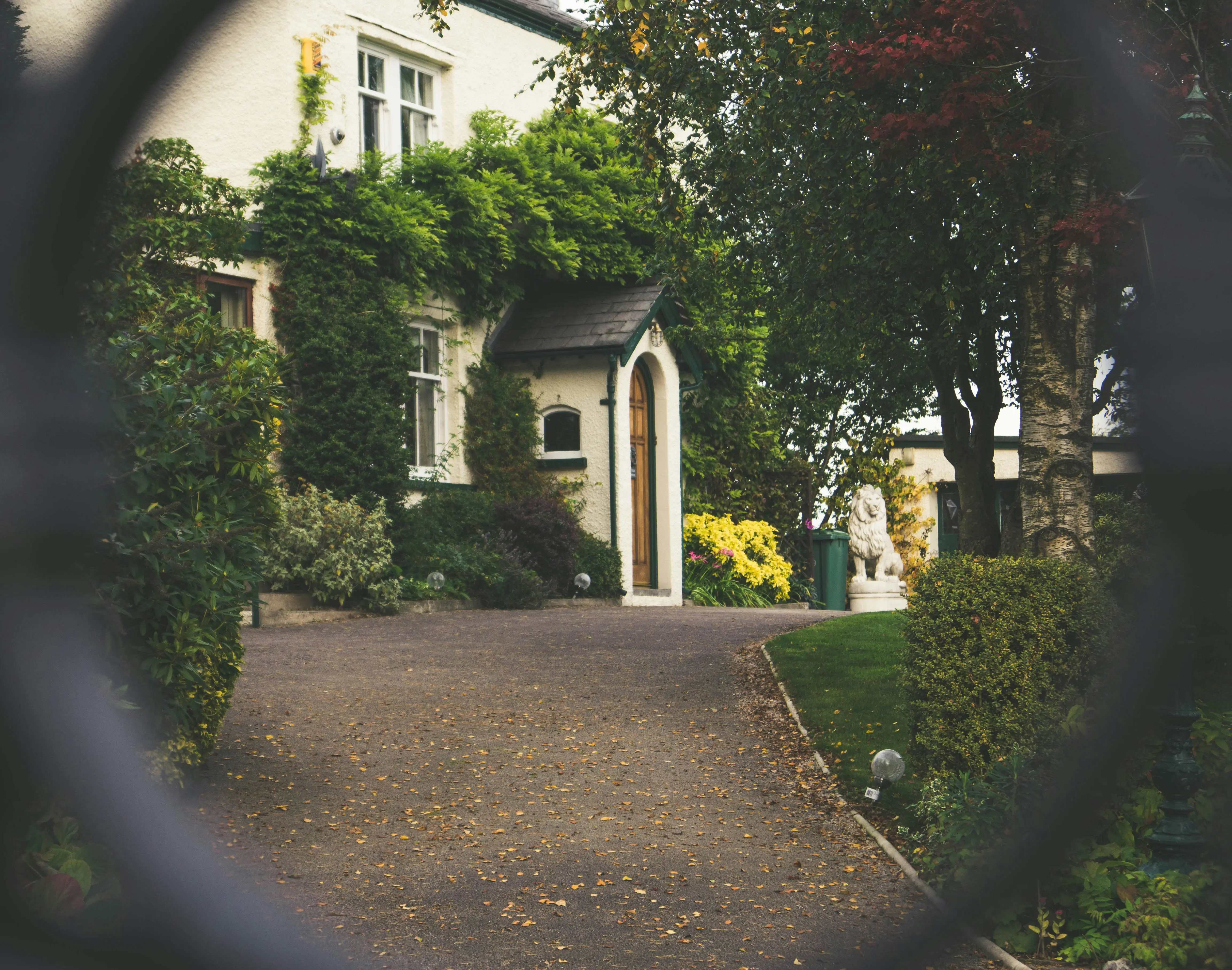
Why Driveway Curb Appeal for Selling Your Home Matters More Than You Think
Buyers form an opinion within the first seven seconds of seeing your property. Before they step inside, their eyes scan the roof, the landscaping, and—front and center—the driveway. A cracked, oil-stained slab quietly signals “deferred maintenance,” while a crisp, level surface whispers “move-in ready.”
According to the National Association of Realtors, exterior improvements that boost curb appeal return 100–150 % of their cost at resale. A driveway refresh is one of the few projects that sits in that sweet spot: low investment, high visual impact, and fast turnaround. Below, we break down exactly how to turn your driveway into a sales asset.
Quick Wins That Cost Under $300
1. Blast Away Years of Grime
Rent a 3,000-psi pressure washer for $60 at the local hardware store. Work in 4×4-ft sections, keeping the wand 12 in. from the surface. Tackle oil spots first with a biodegradable degreaser; let it sit 10 minutes before rinsing. A clean slab can look two shades lighter—an instant facelift.
2. Fill the Cracks Before Buyers Notice Them
Hairline cracks (under ¼ in.) scream neglect. Pick up a $12 bottle of self-leveling concrete crack filler. Insert the nozzle, squeeze, and smooth with a plastic putty knife. Allow 24 hrs to cure. The fix takes 30 minutes and prevents water from freezing, expanding, and turning tiny lines into canyon-size crevices.
3. Edge the Borders for a Finished Look
Grab a half-moon edger or a string trimmer with an edging wheel. Cut a 1-in. reveal along both sides of the driveway—this shadow line makes the surface appear thicker and more expensive. Sweep away loose soil and add a 2-in. ribbon of dark mulch for contrast. Instant definition for zero dollars if you already own the tools.
4. Replace Broken Rim Guards or Curbing
Many neighborhoods have rolled curbs that chew up car bumpers. Rubber curb guards ($25 each) bolt into the concrete and show buyers you care about details. If you have decorative brick edging that’s heaved, pop out the offenders, level the base with paver sand, and reinstall. Ten bricks cost about $15.
Choosing the Right Surface Refresh for Your Market
Concrete Overlay: The Modern “New Slab” Look
An ultra-thin polymer-modified overlay (1/8–¼ in.) hides spider-web cracks and discoloration. It can be broom-finished for traction or stamped with a slate skin for upscale texture. Typical cost: $3–$5 per sq ft. ROI in mid-range neighborhoods: 115 %.
Asphalt Sealcoating: The Budget Blacktop Makeover
If your blacktop is structurally sound but faded, a sealcoat restores that rich charcoal color and smooths minor pits. Two coats, 24 hrs apart, cost about $0.20 per sq ft DIY or $0.45 hired out. Add silica sand to the second coat for slip resistance. Avoid sealing within 24 hrs of rain or below 50 °F.
Stamped Asphalt: Upscale Pattern Without Removal
Heated templates press brick or cobblestone patterns into warm asphalt, then a colored acrylic coating locks in the design. Looks like pavers, performs like asphalt. Expect $5–$7 per sq ft—half the cost of true brick. Great for colonial or craftsman style homes.
Paver Accent Border: Instant Luxury for Concrete Driveways
Can’t afford to rip out 1,200 sq ft of concrete? Saw-cut a 12-in. band around the perimeter and lay hollandstone pavers in a herringbone pattern. The two-tone effect elevates plain gray concrete and costs roughly $8–$10 per linear ft installed.
Color Psychology: Picking Tones That Sell
Neutral, light-reflective surfaces make the driveway—and thus the entire front yard—feel larger. In hot climates, lighter colors also drop surface temps by up to 20 °F, a subtle selling point for barefoot kids and pets. Top real-estate palettes:
- Warm Gray: Pairs with white, beige, or brick façades.
- Driftwood Tan: Hides dirt, complements coastal or desert exteriors.
- Charcoal Border + Light Gray Field: Frames the driveway like an area rug, directing the eye to the front door.
Stay away from bold reds or dark greens—they photograph poorly and polarize buyers.
Drainage Fixes That Prevent “Ew” Moments During Showings
Install a Channel Drain Across the Driveway Throat
If buyers step out of the car into ankle-deep water, the showing is over. A 4-in.-wide polymer channel drain with a galvanized grate catches runoff before it reaches the garage. Retrofit cost: $35 per linear ft. Cut the slot with a concrete saw, tie into the downspout drainpipe, and refill with quick-set concrete.
Regrade the Apron to Meet Street Code
Many cities require a 2 % slope away from the garage and a smooth ¼-in. drop at the gutter. A cold patch or hot asphalt wedge, compacted with a plate compactor, eliminates the “curb bump” that scrapes sports cars. Cost: $150–$250 for a 10-ft-wide apron.
Lighting Tricks That Make the Driveway Glow at Night
Ninety percent of buyers do a “drive-by” after work—often in the dark. Low-voltage LED path lights (3000 K soft white) every 8 ft along the edging create a runway effect. Solar caps on masonry piers add grandeur. Motion-sensor floodlights tucked under the eaves improve security without the prison-yard glare. Budget: $200–$400 for a 20-ft driveway.
Landscaping Touches That Frame the Driveway
1. Groundcover Between Pavers
If you have permeable pavers or a cobblestone apron, plant dwarf mondo grass or blue star creeper in the joints. It stays green year-round in zones 6–9 and only needs one mow a year.
2. Low Hedge for Definition
A 12-in. boxwood or rosemary hedge running parallel to the driveway softens the hard edges and gives the eye a place to rest. Keep it 18 in. away from the concrete to prevent root heave.
3. Container Color Spots
Three 18-in. terracotta pots with seasonal annuals (petunias in spring, geraniums in summer) placed at the mouth of the driveway create a welcoming “front door” for the car. Swap blooms two weeks before listing photos.
ROI Cheat Sheet: What to Spend vs. What to Skip
| Project | Cost (1,000 sq ft) | Expected Value at Sale* | Net Gain |
|---|---|---|---|
| Pressure wash + crack fill | $150 | $1,500 | +$1,350 |
| Sealcoat asphalt | $450 | $2,000 | +$1,550 |
| Concrete overlay | $4,000 | $5,000 | +$1,000 |
| Full tear-out & paver install | $12,000 | $8,000 | –$4,000 |
*Based on national average resale data for mid-range homes.
Timeline: When to Start So You’re Ready for Listing Photos
- 6 weeks out: Inspect for structural issues (potholes, alligator cracks). Hire a pro if base failure is evident.
- 4 weeks out: Schedule pressure washing, crack repair, and sealcoat or overlay. Cool, dry weather is key—avoid temps below 50 °F or above 90 °F.
- 2 weeks out: Install lighting, edging, and landscaping accents. Photograph at golden hour for rich tones.
- Listing day: Sweep, blow off leaves, and place fresh containers. Keep cars off the surface for 48 hrs after sealcoat to avoid tire marks.
Permit & HOA Checklist Before You Spend a Dime
- City right-of-way: If your driveway touches the sidewalk or street, you may need a curb-cut permit ($50–$150).
- HOA design review: Submit color samples and material specs 30 days prior. Some associations restrict glossy sealers or dark colors that raise surface temps.
- Storm-water rules: Impervious surface limits may apply if you expand width. Permeable pavers can earn you square-footage credits.
FAQ: Driveway Curb Appeal for Selling Your Home
Yes. A fresh sealcoat gives a “like new” impression for less than $500, and listing photos look dramatically better. Agents report 5–7 % faster sales when the exterior package is cohesive.
DIY is doable if the driveway is under 800 sq ft and you have a sunny 48-hour window. Buy a 5-gallon pail with built-in crack filler and use a squeegee on a broom handle. For larger areas or if oil stains are extensive, pros spray two coats evenly and offer a 1-year warranty.
Mix ½ cup dish soap with 2 gallons hot water, scrub with a stiff push broom, then rinse. For stubborn rubber, spray a citrus-based degreaser, let sit 5 minutes, and repeat. Avoid wire brushes—they’ll scratch concrete and asphalt.
Request an infrared patch. A pro heater softens the existing asphalt, blends new hot mix, and compacts it seamless. One 4×4-ft patch costs $150–$250 versus $3,000 for a full repave. Prime and sealcoat the rest to unify color.