
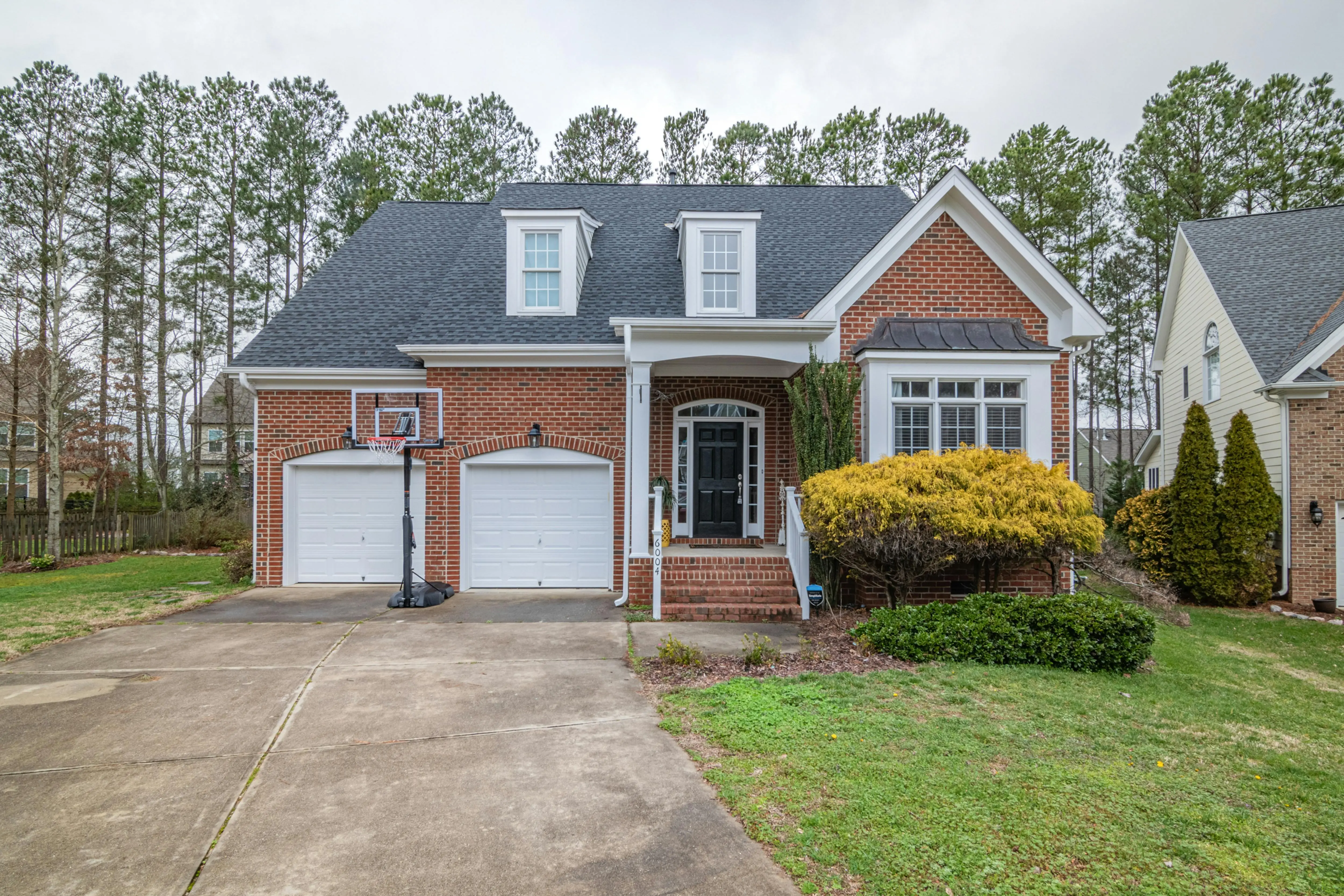
Nothing kills a driveway upgrade faster than a certified letter from the homeowners association. One weekend of excitement over new pavers can turn into months of red tape, fines, and tear-out orders if your project ignores the neighborhood covenants. Driveway Covenant Compliance is the process of designing, sourcing, and installing a driveway that satisfies both your personal style and every line of your HOA’s design guidelines. Below, the Drivewayz USA team walks you through the exact steps we use with clients to keep projects on schedule, on budget, and 100% board-approved.
Why HOA Driveway Rules Matter More Than You Think
HOAs aren’t trying to squash creativity; they’re protecting property values for everyone. A hot-pink concrete pour might look fun on Pinterest, but it can drop neighborhood comps by 2–4%. Compliance keeps you from:
- Stop-work orders mid-project
- $100–$500 daily fines
- Forced removal and re-install at your expense
- Lien placement against your home
Buyers also love “grandfathered” violations—until the HOA demands reversal before closing. Staying clean from day one protects resale value and your sanity.
How to Find (and Read) Your Driveway Rules Fast
Start With the Covenants, Conditions & Restrictions (CC&Rs)
Most CC&Rs bury driveway language under “Exterior Improvements” or “Hardscape.” Search the PDF for keywords: driveway, pavement, concrete, pavers, apron, width, color, edging. Note chapter numbers—you’ll cite them on the application.
Request the Architectural Guidelines
These supplement the CC&Rs and change more often. Look for diagrams showing approved colors, border widths, and radius dimensions for cul-de-sac homes. If the HOA website is outdated, email the property manager; they must provide the latest version within 10 business days in most states.
Check City Code Too
Your municipal code may override HOA leniency on setback distances or impervious-surface ratios. Call the zoning desk or use the Municode library online. We’ve seen HOA approval letters revoked because the city required a 5-ft sidewalk buffer the board didn’t notice.
Driveway Covenant Requirements You’ll See Everywhere
Approved Materials Lists
90% of HOAs allow:
- Standard gray concrete (4,000 psi min.)
- Asphalt with 2½-in. compacted base
- Clay or concrete pavers on a concrete slab
Only 35% allow permeable pavers; 15% allow stamped or dyed concrete. Always verify dye brand and color number—some boards whitelist “Sika Light Gray #131” but reject “Sika Stone #137.”
Width, Slope, and Radius Rules
Typical language: “Single-car driveways shall be 10-ft minimum paved width, 12-ft preferred. Apron radius 15 ft where adjoining sidewalk. Maximum slope 12% within first 20 ft from street.” Measure your existing pour; a widening project may need a variance if it encroaches on a utility easement.
Color & Finish Palette
Earth-tone, matte, and non-reflective are the magic words. Glossy sealers that create glare are routinely rejected. If you want stamped patterns, choose “ashlar slate” or “cobblestone” over busy designs like “roman texture.” Submit a 12”×12” sample board with your application—photos aren’t enough.
Step-by-Step Approval Process That Never Fails
- Pre-Design Consult: Invite a Drivewayz USA estimator to mark elevations, measure setbacks, and photograph context. We bring a checklist of 42 common HOA data points.
- Create a Site Plan: Draw existing and proposed driveways to 1/4″=1′-0″ scale. Show lot lines, sidewalks, utilities, and drainage arrows. Free online tools: PlotPlanPro or HOAOnline drawings.
- Fill the Architectural Request Form: Attach material spec sheets, color samples, contractor license, and insurance. Write one sentence per specification: “Concrete dye: Davis Colors #1536 Canyon Gray, matte cure & seal.”
- Submit 30 Days Before Work: Boards meet monthly. A rushed 10-day submittal pushes you to the next cycle and delays permits.
- Respond to Revision Letters Quickly: Most boards ask for minor tweaks—darker banding color, smaller apron radius. We turnaround answers in 24 hrs to keep schedules intact.
- Receive Written Approval: Do not start until you have the signed letter. Verbal “you’re good” emails are not legally binding.
Permits & Inspections: Who Pays, Who Pulls?
City Street Cuts
Cutting the city apron or sidewalk requires a right-of-way permit ($75–$250). Your contractor should pull it; verify their name is on the permit card, not yours, so liability stays with them.
HOA Pre-Pour & Final Inspections
Many covenants mandate a board member inspect forms and steel before the concrete truck arrives. Schedule the pre-pour 48 hrs ahead; failure can mean a $200 re-inspection fee.
Design Tips That Stay Stylish Yet Compliant
Match Roof & Trim, Not Siding
Choose paver or stain colors that echo your roof tone or brick mortar. Boards love cohesive palettes and rarely reject them.
Use Borders to Add Flair Safely
If the guideline says “main field shall be natural gray,” install a 6-in. charcoal border. Borders are considered accents, not field color, and are approved 95% of the time.
Integrate Green Features Quietly
Permeable pavers reduce runoff, but some boards fear “gaps will grow weeds.” Propose permeable joints filled with polymeric sand in approved earth-tone color—keeps look traditional, function modern.
Typical Costs of Driveway Covenant Compliance
| Item | Price Range (USD) | Who Pays |
|---|---|---|
| HOA Application Fee | $50 – $250 | Homeowner |
| Site Plan by Designer | $150 – $400 | Homeowner (we credit if you hire us) |
| City ROW Permit | $75 – $250 | Contractor passes through |
| Material Upgrade (dye, stamp) | $1.50 – $4.00/sq ft | Homeowner |
| Re-Inspection Fee | $50 – $200 | Homeowner if fault |
Budget 5–8% of total project cost for compliance-related items. On a $10,000 driveway, set aside $500–$800 and you’ll never be surprised.
Already in Violation? Cure Options That Save Money
Apply for Retroactive Approval
Most boards allow a variance request if the change is minor and no neighbor complaints exist. Provide before/after photos and a brief apology letter. Success rate: ~60%.
Negotiate a Phase-In Plan
For color mismatches, propose staining or top-coat alteration instead of removal. Cost drops from $6k tear-out to $800 stain job.
Mediation & Appeals
If the board denies a reasonable fix, you can request external mediation under most state HOA laws. Document everything; bring comparables from neighboring communities.
Questions to Ask Any Driveway Contractor
- “Will you handle HOA submittals and city permits start-to-finish?”
- “Can you provide reference letters from HOA jobs in the last 6 months?”
- “Do you carry a bond that covers HOA fine liability?”
- “What is your written policy if the board requires post-install changes?”
If they hesitate on any point, keep shopping. Drivewayz USA includes full compliance management in every stamped concrete and paver package—no surprise line items.
Maintenance Clauses You Must Track
Some covenants require resealing every 2–3 years and ban oil stains visible from the street. Use a penetrating, natural-finish sealer to avoid gloss complaints. Keep a folder with receipts; boards sometimes conduct random “streetscape audits” and will ask for proof of maintenance.
Frequently Asked Questions
No. Width, materials, and color are still governed by the design guidelines, regardless of property lines. Always submit an architectural request before pouring.
Plan on 30–45 days from complete submittal to written approval. Complex reviews (permeable pavers, variances) may add two extra weeks.
You’ll receive a violation notice with a cure deadline (usually 30–60 days). Options include removal, modification, or retroactive variance. Fines accrue daily until resolved.
Radiant heat is rarely mentioned, but boards focus on surface appearance. Propose standard gray concrete with discreet control boxes mounted flush against the house. Approval rate is high when visible elements remain traditional.