
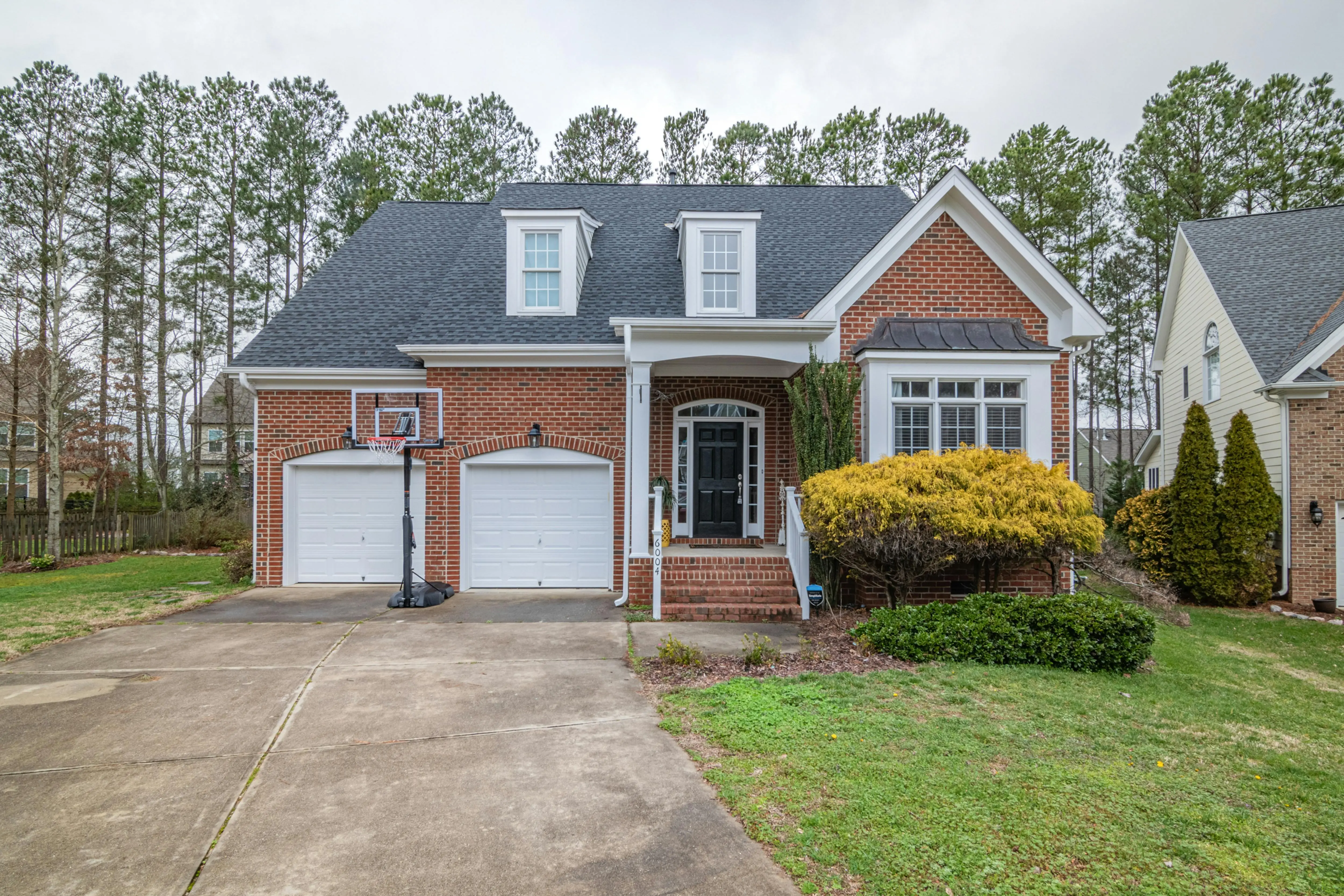
Driveway Cost Estimator: Why Every Homeowner Needs One
A new driveway can boost curb appeal, raise property value and end the daily dodge-the-pothole game. Yet prices swing from a budget-friendly $1,200 gravel job to a jaw-dropping $25,000 heated paver entrance. A reliable driveway cost estimator keeps those surprises in the asphalt—not in your bank account.
This guide walks you through the real numbers behind materials and labor so you can plan, compare bids and negotiate like a pro.
Material Costs: The Biggest Slice of the Pie
Material alone typically eats 40-60 % of the total bill. Below you’ll find national averages, life-span notes and the little "gotchas" most crews forget to mention.
Gravel (Crushed Stone & Pea Gravel)
- Price range: $1–$3 per sq ft (stone + delivery)
- Pros: cheapest upfront, DIY-friendly, great drainage
- Cons: ruts, dust, annual top-ups, snow-removal headaches
- Pro tip: Ask for "traffic bond" or "dense-grade" gravel. The mix of fines and angular stone locks together and cuts shifting by 40 %.
Asphalt (Hot-Mix)
- Price range: $3–$7 per sq ft (2" compacted surface)
- Add-on: $0.50–$1 per sq ft for 6" gravel base if your soil is clay-heavy
- Life: 15–20 years with sealant every 3–5 years
- Pro tip: Schedule installation when outdoor temps are 50 °F and rising; cold weather leads to premature cracking.
Concrete (Plain, Stamped & Stained)
- Plain: $4–$8 per sq ft
- Stamped/Colored: $8–$18 per sq ft
- Life: 25–40 years
- Watch-out: A 1 % slope is code almost everywhere; insist on fiber-mesh or #3 rebar on 18" centers to cut random cracks by half.
Interlocking Pavers (Concrete or Clay)
- Price range: $7–$20 per sq ft
- Edge restraint: Add $2 per linear foot; skip it and you’ll have wavy edges in two seasons.
- Life: 30+ years; individual units can be swapped if stained or chipped.
Heated Driveway Systems (Electric Mats or Hydronic Tubing)
- System: $10–$25 per sq ft on top of base pavement cost
- Operating: $0.08–$0.14 per sq ft per hour in a typical snow event
- ROI: Saves plowing fees, salt damage and slip-and-fall risk—great for north-facing slopes.
Green Alternatives (Permeable Pavers & Grass-Ride Grids)
- Price: $6–$16 per sq ft
- Benefit: Meets many city storm-water rebates; check local utility—some refund up to $2,000.
Labor Costs: What You’re Really Paying For
Skilled installers earn every penny. Poor prep work shows up in months, not years. Below is a line-item look at where your labor dollars go.
Site Prep (Excavation, Grading, Haul-Off)
- Price: $1–$3 per sq ft
- Depth: 8"-12" for asphalt, 10"-14" for concrete in freeze zones
- Red flag: If a quote skips excavation or only plans to "scrape and lay," walk away.
Base Installation (Aggregate & Compaction)
- Cost: $0.75–$1.50 per sq ft
- Must-have: A plate compactor or roller for every 4" lift. Under-compaction is the #1 cause of sinkholes.
Placement & Finishing
- Asphalt paving: $2–$4 per sq ft
- Concrete pour & finish: $2–$5 per sq ft (higher for intricate stamps)
- Pavers: $5–$10 per sq ft (includes cutting, edge restraint and poly-sand)
Sealing, Curing & Clean-Up
- First seal (asphalt): $0.15–$0.25 per sq ft after 6-month cure
- Concrete cure compound: Often rolled into finishing price; verify with contractor.
Extra Labor Triggers
- Tight access: Narrow side gate or fence line may require a mini-paver ($500 mobilization).
- Tree removal: $300–$1,200 per tree, stump grinding extra.
- Permit & inspection fees: $50–$300; cities like Minneapolis add $0.30 per sq ft right-of-way bond.
Quick DIY Driveway Cost Estimator (3-Step Formula)
Before you call pros, crunch a ballpark in under five minutes.
Step 1: Measure & Choose Material
Length × Width = Square feet. Multiply by the mid-range material cost in the table above.
Step 2: Add Base & Prep
Multiply sq ft by $2.50 for standard excavation and base install. Increase to $4 if you live in heavy-clay or freeze-zone country.
Step 3: Tack on Extras
Include sealing (asphalt), drain tile ($25 per linear ft), or heated system. Then add 10 % contingency.
Example: 600 sq ft asphalt driveway
Material 600 × $5 = $3,000
Labor/prep 600 × $2.5 = $1,500
Optional drain 30 ft × $25 = $750
Subtotal = $5,250 + 10 % = $5,775
Smart Ways to Trim Your Driveway Bill—Without Cutting Corners
1. Combine Jobs With Neighbors
Contractors save on mobilization when they pave two drives in one day. Ask for a 5-10 % "multi-site" discount.
2. Choose Off-Peak Seasons
Late fall or early spring schedules are lighter; asphalt plants lower minimum load fees when demand dips.
3. Keep the Footprint Simple
A 12-ft straight drive costs up to 30 % less than a 10-ft wide S-curve with border pavers. Fancy still fits: add a decorative apron at the street and save thousands on the main section.
4. Reuse Existing Base When It’s Sound
If your old concrete is cracked but the gravel below is firm, opt for overlay-approved asphalt and skip full excavation—just mill the surface.
Hiring Checklist: Compare Apples-to-Apples Bids
- Verify license, bond and worker’s comp insurance (ask for COI).
- Demand a cross-section drawing showing depth of each layer.
- Require a warranty: 1–2 years on asphalt, 5+ on concrete workmanship.
- Ask for three local references paved 3–5 years ago; older drives reveal problems.
- Check tonnage/pallet count in quote—makes hidden up-charges impossible.
- Never pay more than 30 % upfront; use a credit card or escrow if possible.
Resale Value: Will You Get Your Money Back?
Remodeling Magazine pegs average ROI at:
- Asphalt: 65 %
- Concrete: 75 %
- Pavers: 85–100 % in upscale neighborhoods
But even a 50 % payback can be worth it if your driveway is a cracked safety hazard—buyers subtract double the cost of replacement in their offers.
Frequently Asked Questions
Online calculators get you within 15 % if you input local material and disposal fees. Always add a 10 % contingency for unforeseen soft spots or weather delays.
Upfront, yes—about 30 % less. Over a 30-year span, concrete can be cheaper because it needs virtually no maintenance, whereas asphalt requires sealcoating every 3–5 years.
Only if daytime temps stay above 50 °F for asphalt and 40 °F (and falling) for concrete curing. Cold weather additives raise cost 8-12 % and still risk surface failure—best to wait.
Most cities require one if you touch the sidewalk, add a new apron, or change storm-water flow. Call your public works department; fines start at $250 and can double the project cost.