
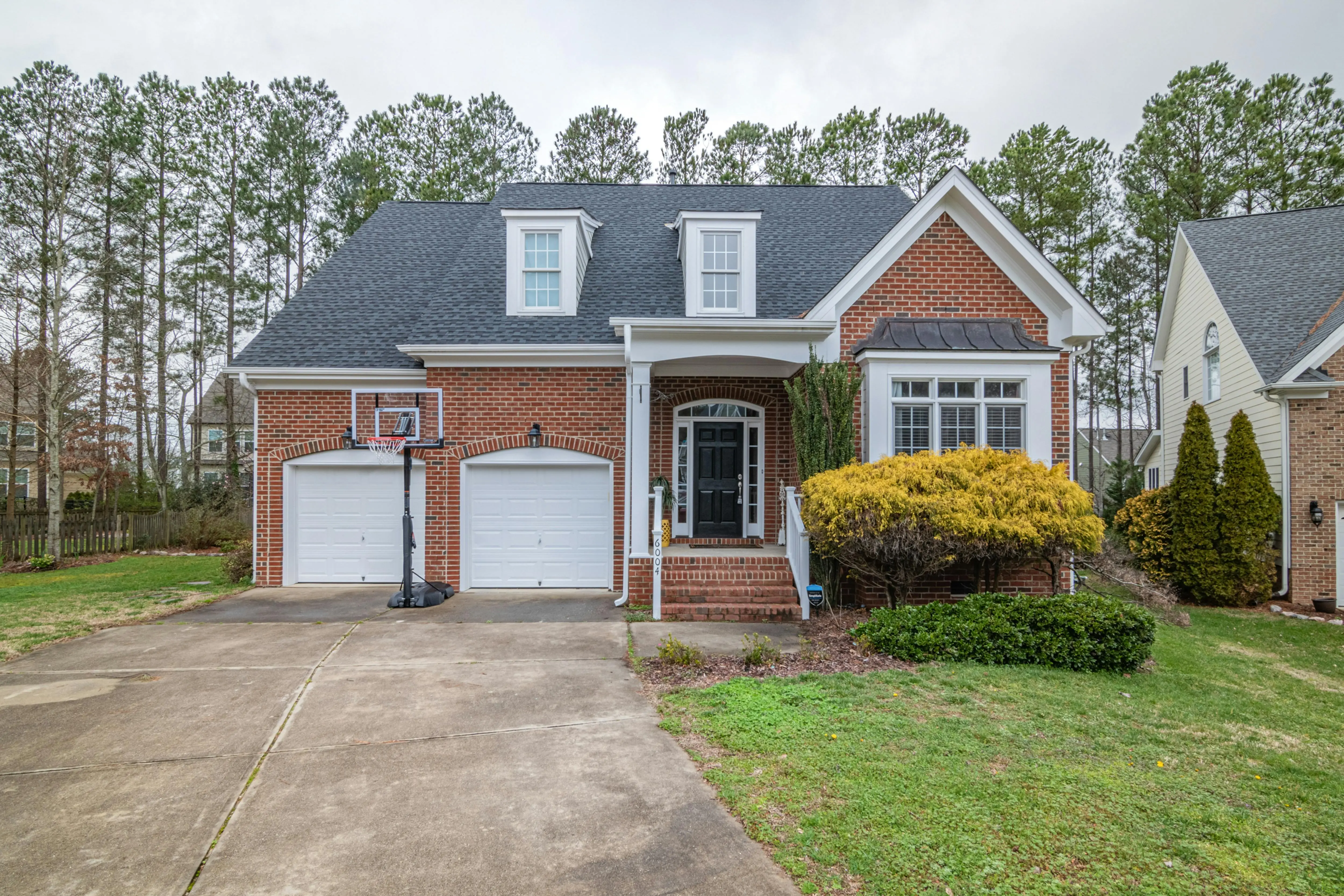
What Is Driveway Core Sample Testing?
Driveway core sample testing is the only reliable way to verify the actual thickness of your concrete or asphalt driveway. A small, cylindrical core is drilled out, measured in a lab, and compared to the thickness stated on your contract or building permit. If the slab falls short, you may have grounds for a warranty claim, price adjustment, or even a full replacement at the contractor’s expense.
Homeowners routinely skip this step and only discover problems when cracks, settling, or potholes appear years later. By then the contractor may be out of business or the warranty period has expired. A $250–$400 core test today can save you thousands in premature repairs.
Why Driveway Thickness Matters More Than You Think
Structural Capacity
Every passenger vehicle exerts roughly 1,500–2,000 lbs of wheel load. A 4-inch concrete slab on a 4-inch gravel base handles that load comfortably—if the concrete is 4 inches everywhere. Drop to 3 inches and the flexural strength plummets by 25–30 %. The result: spider cracks within the first freeze-thaw cycle.
Warranty & Resale Value
Most written warranties state “minimum 4-inch thickness.” If a core test proves 3.25 inches, the warranty is technically void. When you sell, savvy buyers or inspectors may ask for core data; a thin driveway becomes a negotiation chip that can cost you $5,000–$8,000 in price reductions.
Long-Term Cost of “Just ½ Inch Short”
- 30 % shorter lifespan
- 40 % higher risk of surface scaling
- 2× more likely to need full replacement before year 10
When Should You Core Test Your Driveway?
New Install: 7–14 Days After Pour
Concrete reaches 75 % design strength in a week—perfect timing to core without excessive edge chipping. Catch a short pour early and the contractor can still remedy it before final payment.
Existing Driveway: Before Major Repairs or Overlay
Planning a $3,000 resurfacing project? Spend $300 first to confirm you have enough structural thickness to accept the overlay. If the original slab is only 2.75 inches, an overlay is money down the drain.
Buying a Home: During Inspection Period
Standard home inspectors measure cracks, not thickness. Add a core test contingency just like you would for a roof certification. One Driveway Core Sample Testing invoice beats a surprise $12,000 replacement six months after closing.
How Driveway Core Sample Testing Works
Step 1: Locate Test Spots
Technicians use ground-penetrating radar or simply the “mid-panel rule”: cores are taken at the center of the largest slab panel, away from control joints and edges. Three cores is the industry standard for up to 600 sq ft of driveway.
Step 2: Drill & Extract
A diamond-tipped coring rig cuts a 4-inch diameter cylinder. Water cools the bit and controls dust. The hole is later patched with a non-shrink grout that blends visually if you keep the cores.
Step 3: Lab Measurement
Cores are dried, brushed, and measured with digital calipers to the nearest 0.01 inch. The lab also checks for air content, aggregate quality, and compressive strength if you upgrade the test.
Step 4: Report & Decision
You receive a one-page certificate showing each core’s thickness, photo evidence, and a pass/fail against your specified minimum. Failures trigger a meeting with the contractor; successes give you peace of mind and documentation for your file.
DIY vs. Professional Core Testing
Home-center rent a 4-inch core drill for $80 a day, but without a vacuum shroud you’ll spray slurry across your façade. More importantly, the American Concrete Institute (ACI) requires specific bit speed, water flow, and calibration procedures to produce court-admissible results. A botched DIY core can be dismissed by a contractor or warranty insurer.
Professional Driveway Core Sample Testing includes insurance, patching, and certified reports—worth the extra $150.
What Does Driveway Core Sample Testing Cost in 2024?
| Service Package | Number of Cores | Typical Price (USD) |
|---|---|---|
| Basic Thickness Only | 3 | $250–$300 |
| Thickness + Compressive Strength | 3 | $400–$500 |
| Rush Results (24 hr) | 3 | Add $100 |
| Each Additional Core | 1 | $60–$75 |
Travel fees may apply outside metro areas. Always request an itemized quote that includes patching material; some vendors charge extra for polymer-modified grout that matches your driveway color.
How to Read Your Core Test Report
Key Numbers
- Specified Thickness: The number on your contract (e.g., 4.0 in)
- Actual Average: Mean of all cores (e.g., 3.72 in)
- Tolerance: ACI 117 allows −¼ in (0.25 in) for residential slabs
Quick Decision Chart
≥ 3.75 in = Pass
3.5–3.74 in = Negotiate credit ($1.50 per sq ft per ¼-in short is common)
≤ 3.49 in = Failure; request replacement or major compensation
Next Steps After a Failed Core Test
- Send the report to the contractor via certified email.
- Quote a remedy: full replacement, sectional patch, or cash settlement.
- Escalate to your state contractor board if you hit a wall; certified core data is solid evidence.
- Keep the cores! They are legal exhibits if you end up in small-claims court.
Frequently Asked Questions
No. A 4-inch diameter hole represents 0.05 % of a typical 600 sq ft driveway. Professional patching with high-strength grout restores 95 % of original compressive strength within 24 hours.
Light passenger vehicles: 4 hours. Heavy SUVs or trucks: 24 hours. The patch material reaches 3,000 psi in one day, matching most residential concrete.
Yes. The procedure is identical, but labs also measure asphalt layer thickness and base rock depth. Tolerance for asphalt is ±0.3 in per CalTrans standards.
Provide the certified report to your state licensing board and request mediation. Ninety percent of cases settle once official documentation is presented; legal fees usually cost the contractor more than the repair.