
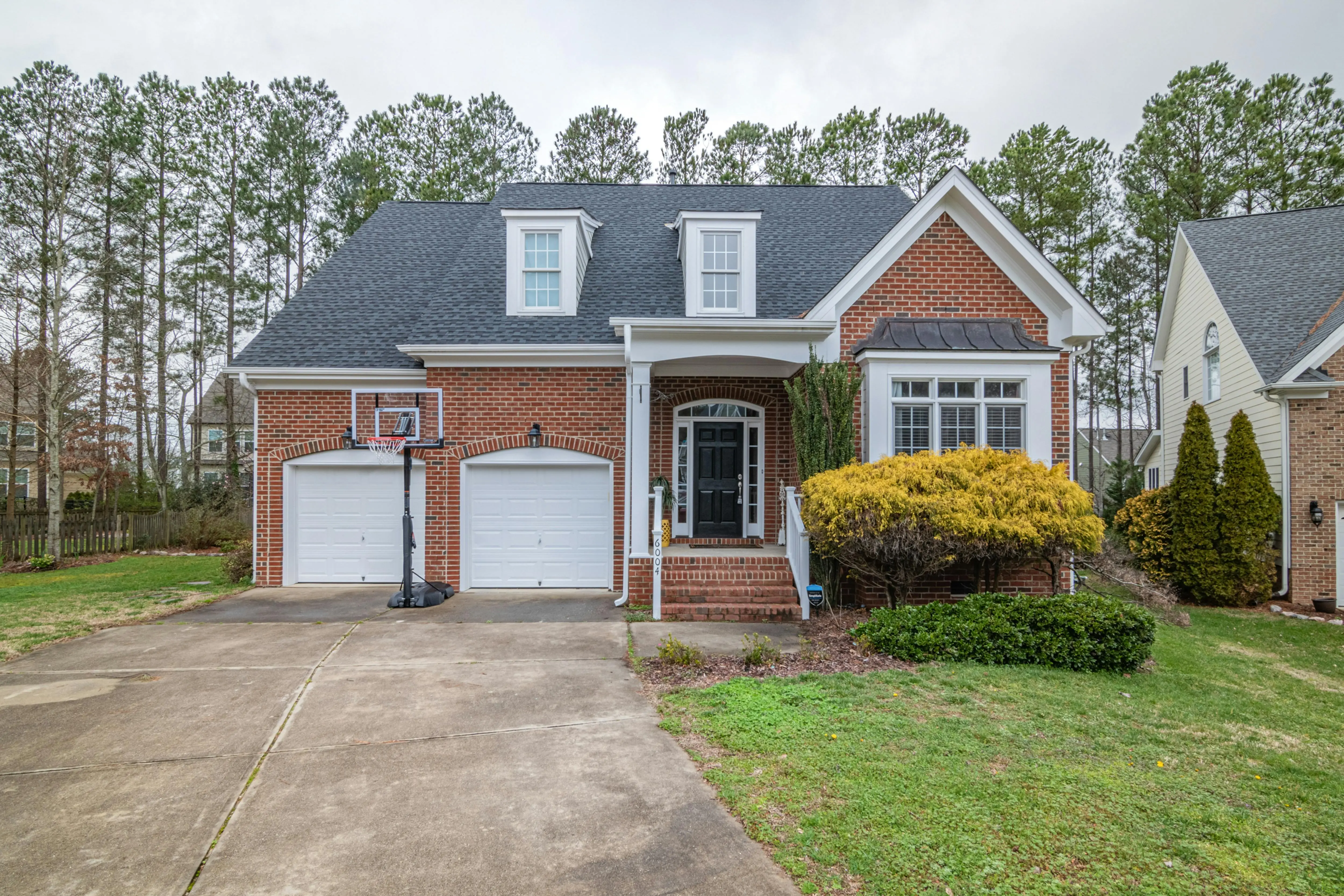
Why the Right Driveway Contractor in Savannah Matters
A driveway is the red carpet to your home. In Savannah’s humid subtropical climate—where summer heat can top 95 °F and sudden thunderstorms dump inches of rain in minutes—poor workmanship shows fast. Cracks, wash-outs, and drainage issues aren’t just eyesores; they’re safety hazards that lower curb appeal and resale value.
Choosing skilled driveway contractors in Savannah, GA means you get a surface engineered for local soil, weather, and building codes. The wrong pick? You’ll pay twice: once for the botched job, again for the tear-out and redo.
Savannah’s Top Driveway Materials & Which Contractors Handle Them
Before you request quotes, know what you want. Each material has its own installer skill set, price point, and maintenance rhythm.
Concrete Driveways
Poured concrete is the most popular choice in Chatham County thanks to 30-year lifespans and clean Lowcountry aesthetics. Look for contractors certified by the American Concrete Institute (ACI) who understand Savannah’s sandy loam soil and 40-inch frost-free depth.
Asphalt (Blacktop)
Hot-mix asphalt flexes with minor ground movement and installs quickly—often 24–48 hours. Make sure the contractor uses PG 64-22 binder rated for Georgia heat and adds 2–3% liquid asphalt for density.
Pavers & Brick
Historic Savannah homes often pair brick pavers with wrought-iron fences. Clay bricks must meet ASTM C902 severe-weather grade. Ask to see a portfolio of previous pedestrian and vehicular paver projects; sanding and sealing techniques differ.
Gravel & Crushed Granite
Budget-friendly and permeable, gravel works for long rural lanes in Pooler and Bloomingdale. Verify the contractor installs geotextile fabric under #57 stone to prevent wash-boarding.
5-Step Vetting Checklist for Driveway Contractors in Savannah, GA
1. Verify Georgia & Chatham County Licenses
Concrete and asphalt contractors need a Georgia Utility Contractor license if they touch public right-of-way curbs or sidewalks. Ask for the license number and check it on the Georgia Secretary of State’s website.
2. Demand Proof of Insurance
Minimum $1 million general liability plus workers’ comp. Savannah’s historic districts often have shallow gas lines; one jack-hammer mistake without insurance can bankrupt a homeowner.
3. Read Local Reviews & Court Records
Google Business Profiles, Nextdoor, and the Better Business Bureau are good starts. Cross-check Chatham County magistrate court for liens or judgments. A pattern of “great price, never came back” is a red flag.
4. Visit 2–3 Completed Jobs
Drive by after rain. Standing water means poor grading. Hairline cracks within the first year mean improper joint spacing or mix design. Good contractors gladly provide addresses; shy ones won’t.
5. Compare Apples-to-Apples Quotes
Insist on line-item bids: demolition, base layer depth (minimum 4-in. dense-graded aggregate), concrete PSI (4,000 minimum), reinforcement (rebar or fiber), and sealer type. A vague “$6 per sq ft” quote often hides extras.
7 Must-Ask Questions Before You Sign
- Who pulls the driveway permit—me or you? (City of Savannah requires a ROW permit if the apron touches public pavement.)
- What’s the base depth and compaction rate? (95% Proctor density is standard.)
- Do you use wire mesh or #4 rebar on 12-in. centers?
- How will you handle storm-water runoff? (Swale, channel drain, or pervious concrete?)
- What is the calendar timeline from tear-out to drive-able surface?
- Do you offer a written workmanship warranty longer than one year?
- Will you provide a lien waiver after final payment?
2024 Driveway Cost Guide for Savannah Homeowners
Prices include standard 12-ft × 40-ft (480 sq ft) driveway, tear-out, and disposal. Add 10% for Historic District disposal surcharges.
- Plain Concrete: $6–$9 per sq ft ($2,900–$4,300 total)
- Stamped & Colored Concrete: $10–$15 per sq ft ($4,800–$7,200)
- Asphalt: $4–$6 per sq ft ($1,900–$2,900)
- Clay Brick Pavers: $12–$18 per sq ft ($5,800–$8,600)
- Crushed Granite: $1–$3 per sq ft ($480–$1,440)
Hidden Extras to Budget For
- Tree-root removal: $200–$600 per stump
- Utility line reroute (water tap): $400–$1,200
- City of Savannah ROW bond: $500 refundable
- Geo-grid soil stabilization for sandy lots: $2 per sq ft
Permits & Historic District Rules
Chatham County and the City of Savannah both enforce guidelines. If your home sits in one of Savannah’s 10 historic districts (e.g., Victorian, Thomas Square), the Historic Review Board may limit color and material. Submit a COA (Certificate of Appropriateness) before work begins; the process takes 4–6 weeks. Contractors familiar with Savannah will handle the paperwork and attend the hearing for you.
Realistic Timeline From First Call to First Car Park
- Day 1–3: Site visits & quotes
- Day 4–10: Permit & HOA approvals
- Day 11: Deposit & material order
- Day 12: Tear-out & grading
- Day 13: Base layer & compaction
- Day 14: Concrete pour OR asphalt paving
- Day 15–17: Cure time (concrete) or cooling (asphalt)
- Day 18: Joint sealing & final inspection
- Day 19–28: Keep vehicles off (concrete) or light use only (asphalt)
Weather delays are common in late summer; build a 3-day buffer into your plans.
Make Your New Driveway Last: Savannah-Specific Maintenance
Sealing Schedule
Concrete: penetrating silane-siloxane sealer every 3–4 years. Asphalt: coal-tar or asphalt-emulsion sealer every 2 years. Pavers: re-sand joints then seal every 3 years.
Storm-Season Prep
Keep drains clear of live-oak leaves. Pressure-wash at 2,500 PSI annually to remove mildew fueled by Savannah’s 100% summer humidity.
Quick Crack Fix
Fill hairline cracks with gray polyurethane before they widen. Caulk gun + $8 tube beats a $2,000 patch later.
Red Flags That Scream “Run”
- “We have leftover asphalt from another job” (classic travel-scam line)
- Quotes 30% below average with no line items
- Requires 100% cash up front
- No physical address in Georgia
- High-pressure “today-only” discounts
- Asks you to pull the permit yourself
FAQ: Hiring Driveway Contractors in Savannah, GA
Yes, if any part touches the public right-of-way (sidewalk, apron, or gutter). The City of Savannah ROW Division issues the permit; your contractor should include the $90 fee and $500 refundable bond in the quote. Interior driveway-only work on private land does not require a city permit but may need HOA approval.
Keep foot traffic light for 24 hours and vehicles off for a full 7 days. Concrete reaches 90% strength at 7 days; hot Savannah sun speeds curing but also increases risk of plastic-shrinkage cracks, so mist the surface lightly for the first 48 hours if temperatures exceed 90 °F.
Only if the slab is level, crack-free, and has proper drainage. A mortar-set overlay adds 2–3 in. of height, which can block garage-door clearance or violate Savannah Historic District rules. Most contractors recommend removing old concrete and installing a new aggregate base for a 30-year life.
Late spring and early fall offer 60–80 °F days, ideal for both concrete hydration and asphalt compaction. Summer installs are possible, but crews must pour at dawn and use evaporation retarders. Winter is fine for concrete (no freeze risk), but asphalt plants often close for maintenance in January.