
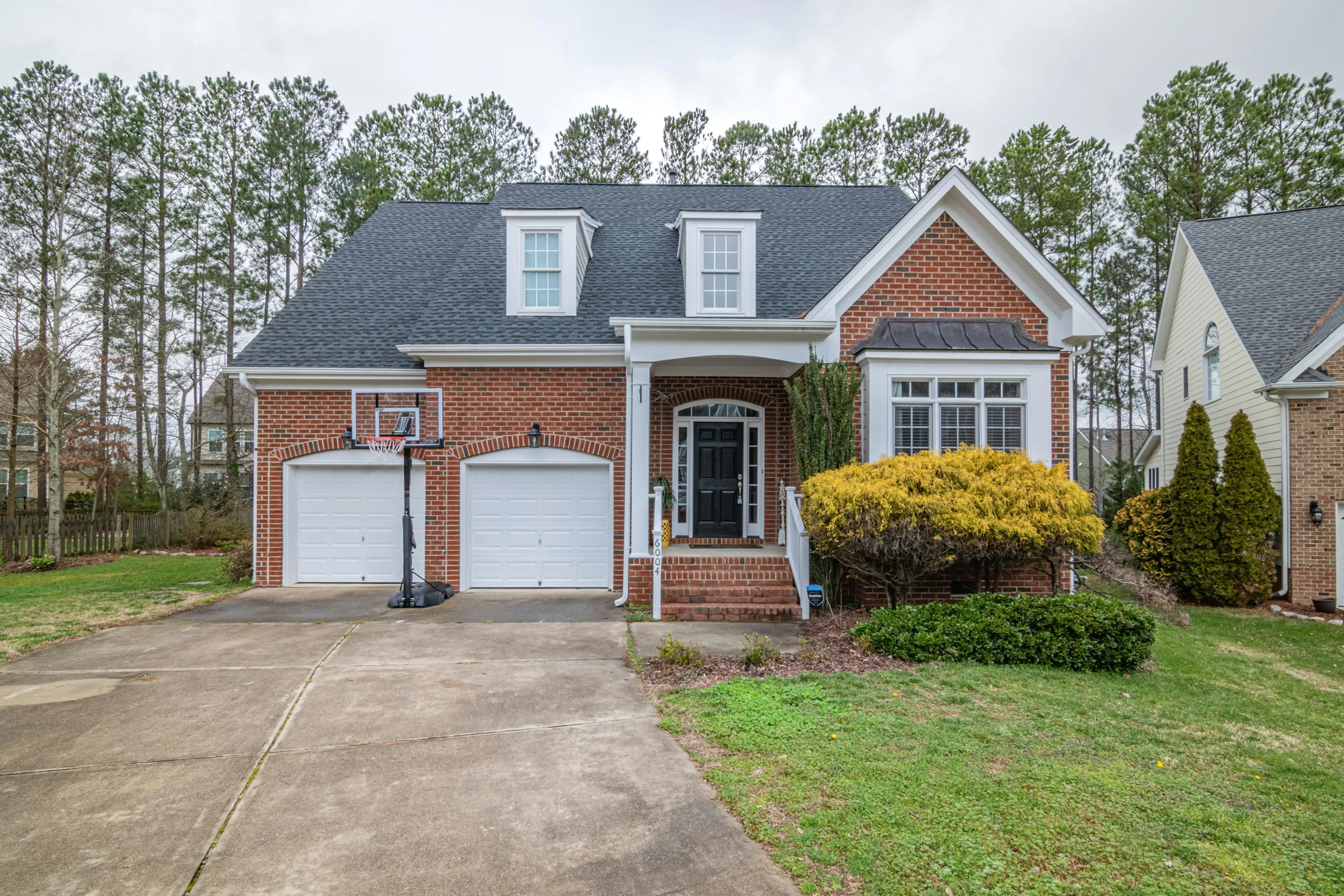
Why the Right Driveway Contractor in Portland Matters
A driveway is the first thing guests notice and the last thing you want to repair every winter. Portland’s wet winters, occasional freeze-thaw cycles, and strict storm-water rules make hiring the right pro more important than in drier climates. The best driveway contractors in Portland, OR don’t just pour concrete or lay asphalt—they understand local soil, permitting, and eco-friendly drainage solutions that keep your driveway intact for decades.
Driveway Types That Perform Best in Portland’s Climate
Before you request quotes, decide which surface suits your budget, slope, and aesthetic. Each material reacts differently to Portland’s 150-plus rainy days a year.
Concrete: Clean, Customizable, Crack-Prone
Poured concrete handles heavy loads and can be stamped or colored. The catch: it must be jointed correctly and sealed every 3–5 years or cracks will spread like ivy. Choose a contractor who adds micro-synthetic fibers and uses 4,000-psi minimum mix to resist freeze-thaw damage.
Asphalt: Budget-Friendly, Flexible, Maintenance-Heavy
Hot-mix asphalt costs 30–40 % less than concrete upfront, but plan on seal-coating every 2–3 years. Ask if the crew uses PG 64-22 binder (Portland’s standard) and ¾-inch crushed rock for the base—both improve flexibility under temperature swings.
Paver Driveways: Curb Appeal Champion
Interlocking concrete or basalt pavers shed water through the joints, reducing runoff. They’re pricier ($14–$22 per sq ft) but individual units can be replaced if tree roots lift them. Verify your contractor is certified by the Interlocking Concrete Pavement Institute (ICPI).
Permeable Options: Solve Runoff & Earn Incentives
Permeable pavers, porous asphalt, or stabilized gravel let rainwater soak into the ground, meeting Portland’s Green Streets goals. The city offers a Downspout Disconnection & Stormwater Discount that can shave 35 % off your monthly storm-water bill. Only hire contractors listed on the City’s Green Street Steward roster for these specialty installs.
Permits, Codes & Tree Preservation Rules
Most driveway replacements in Portland require a Site Development Permit if you change the width, add new curb cuts, or alter drainage. Expect 2–4 weeks for city review and a fee of $230–$600. Contractors should handle the paperwork; if they tell you “permits aren’t needed,” double-check with the Bureau of Development Services (BDS).
Trees Over 12 Inches DBH
Portland’s tree code protects any street or private tree larger than 12 inches diameter at breast height. Cutting roots or paving within the drip line requires an Arborist Report and possibly a $1,500–$3,000 tree replacement deposit. Choose a contractor who keeps an ISA-certified arborist on call.
How to Vet Driveway Contractors in Portland, OR
Use the checklist below to separate seasoned pros from fly-by-night outfits.
- Verify CCB & Bonding
Oregon requires all contractors to carry a Construction Contractors Board (CCB) license. Look up the number at oregon.gov/ccb; status should be “Active” with a $15,000 bond and general liability insurance. - Demand Portland References
Ask for five local driveways poured 3–5 years ago. Drive by and look for spider cracks, spalling, or standing water. Good contractors will text you addresses without hesitation. - Check Better Business Bureau & Nextdoor
BBB ratings range from A+ to F. Also search Nextdoor’s “Portland—Neighborhood” feed; homeowners post unfiltered photos and cost breakdowns. - Review Supplier Letters
A letter from a ready-mix plant or asphalt supplier proves the contractor pays bills on time—key to ensuring your material doesn’t get short-ordered mid-project. - Insist on a 3-Year Written Warranty
Portland’s weather is tough. A warranty covering structural cracking, surface defects, and drainage issues for at least 36 months shows the company stands behind its base prep and mix design.
What Driveway Projects Cost in Portland (2024 Data)
Prices include standard 4-inch base, permits, and 5 % waste removal. Add 10 % if your lot sits on expansive clay (common in East Portland west of I-205).
- Standard Concrete (broom finish): $8–$11 per sq ft
- Stamped & Colored Concrete: $12–$16 per sq ft
- Hot-Mix Asphalt: $5–$7 per sq ft
- Interlocking Pavers: $14–$22 per sq ft
- Permeable Pavers: $18–$26 per sq ft
- Additional Curb Cut / Sidewalk Patch: $650–$1,100
Hidden Costs to Budget For
Tree root pruning ($300–$800), geotextile fabric on clay soils ($0.50 per sq ft), and city storm-water discounts that reduce long-term utility bills. Always request a line-item bid so you can compare apples to apples.
Typical Project Timeline
Weather windows matter. Portland’s rainy season runs October–April, so most crews book solid May–September.
- Estimate & Design (1–2 weeks)
- Permit Submission (2–4 weeks)
- Base Prep & Forming (1–2 days)
- Pour / Pave Day (1 day)
- Cure & Seal (3–7 days pedestrian, 10–14 days vehicle)
- Final City Inspection (if required, 1 day)
How to Speed Up the Schedule
Submit permits in February before the spring rush, and schedule concrete for a Tuesday–Thursday window when supplier trucks are plentiful. Keep the driveway clear of cars the night before; crews charge $150 per hour for wait time.
10 Must-Ask Questions Before You Sign
- Who pulls the permit and pays the fee?
- What PSI or asphalt binder grade will you use?
- How many inches of crushed rock base will be installed and compacted?
- Will you use rebar or fiber mesh, and at what spacing?
- How will you handle the existing downspouts and runoff?
- What is the start and finish date, and what happens if it rains?
- Do you carry workers’ comp and liability insurance (minimum $1 M)?
- Can I choose the joint pattern or paver layout before work begins?
- How long must I stay off the driveway, and when can I seal it?
- What exact items are excluded in your bid (demo, tree roots, sidewalk patch)?
Red Flags That Scream “Run”
- Asks for >50 % down payment (Oregon law caps initial payment at $1,000 or 10 %, whichever is less).
- Offers “leftover asphalt” at a discount—usually cold, low-grade mix.
- No physical address or CCB number on the quote.
- Quotes by the “truckload” instead of square footage.
- Promises to start tomorrow but has no backlog (good crews book 4–8 weeks out).
Year-Round Maintenance Tips for Portland Homeowners
A little upkeep prevents the freeze-thaw chaos that turns hairline cracks into canyon-sized potholes.
Spring
- Pressure-wash to remove moss (use a green-tip nozzle, < 2,500 PSI).
- Fill hairline cracks with polyurethane sealant before weeds take root.
Summer
- Apply UV-stable sealer on asphalt (every 2–3 years) or penetrating silane-siloxane sealer on concrete (every 4–5 years).
- Redirect lawn sprinklers; constant overspray weakens edges.
Fall
- Clear leaves weekly; decomposing matter stains concrete and clogs permeable joints.
- Install heating cables if ice buildup is common; choose self-regulating models to save energy.
Winter
- Use calcium magnesium acetate (CMA) instead of rock salt to prevent surface scaling.
- Shovel snow promptly; metal blades can gouge asphalt. Use a plastic-edge pusher.
Frequently Asked Questions
Usually yes, if you change the width, add a new curb cut, or switch to permeable materials. A simple “mill and overlay” asphalt job on the same footprint may not require one. Always confirm with the Bureau of Development Services or let your contractor pull the permit.
Concrete needs a minimum of 7 days for passenger vehicles and 14 days for heavier trucks. Asphalt is usually ready after 24–48 hours in summer temps, but wait 72 hours when the outside temperature is below 60 °F.
Hydronic tubing or electric cables must be placed before the surface is poured. Retrofitting requires removing the entire slab, so decide during the initial build. Expect $12–$18 per sq ft additional for electric mat systems.
Interlocking permeable pavers with a geogrid base lock together and resist shifting on grades up to 12 %. They shed water, reduce ice formation, and individual units can be reset if settling occurs—far easier than repouring concrete.