
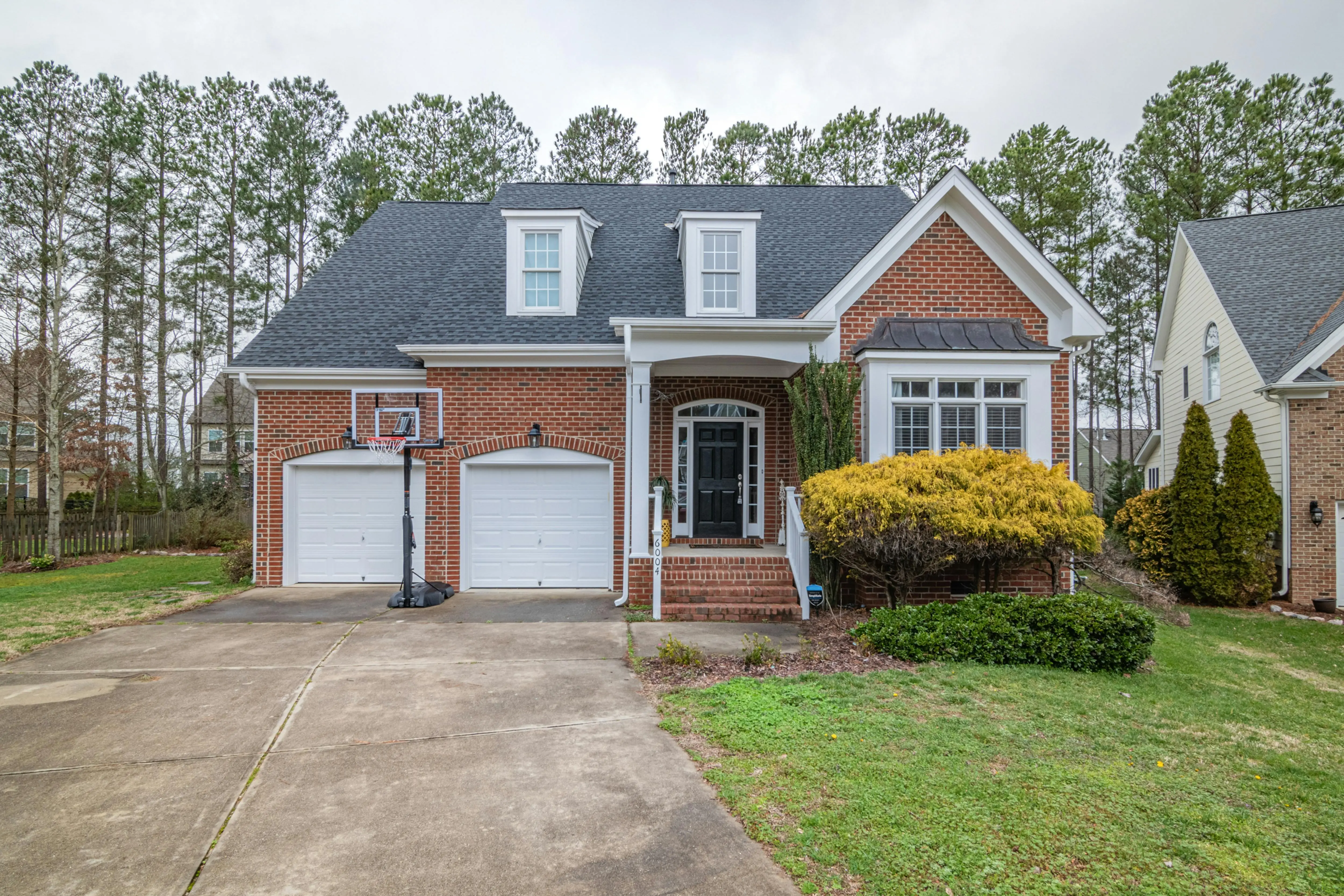
Driveway Contractors in Orlando, FL: What Makes the Market Unique
Central Florida’s heat, humidity, and afternoon storms punish driveways. Add sandy soil and the occasional tropical storm, and you’ve got a recipe for cracks, settling, and drainage headaches. The right driveway contractors in Orlando, FL know how to fight these conditions with the correct mix designs, base prep, and expansion joints.
Orlando also has one of the highest concentrations of decorative concrete specialists in the state. That means more choices—stamped patterns that mimic coquina shell, custom stains that echo Florida sunsets, and permeable pavers that meet Orange County’s newer storm-water rules. More choices can equal more confusion, so this guide walks you through the selection process step-by-step.
When to Start Looking for a Driveway Contractor
Concrete and asphalt plants in Orange County stay busy nine months of the year. If you wait until the first cool front (October), you’ll land in line behind snow-birds and commercial projects. Instead, start requesting quotes in late July or August. Contractors have lighter schedules, and you’ll lock in current prices before material hikes hit in spring.
Red-Flag Timeline Phrases
- “We can start tomorrow” (no reputable crew sits idle)
- “Cash discount if we pour this weekend” (shortcut permits)
- “One week only” pressure tactics
How to Research Driveway Contractors in Orlando, FL
1. Build a Shortlist in 20 Minutes
- Search Google Maps for “driveway contractors near me.” Filter by ≥4-star reviews and 20+ photos.
- Cross-check names on the Florida DBPR license portal. Active status + general contractor or concrete specialty is required for jobs over $1,000.
- Plug each company into SunBiz.org to see how long they’ve been incorporated. Favor businesses 5+ years old; they’ve survived at least one hurricane season.
2. Read Between Review Lines
Orlando reviewers love to post photos of lizard-shaped cracks and storm-drain puddles. Look for contractors who respond publicly and offer fixes. A pattern of “came back and sealed for free” is gold.
3. Verify Insurance Before You Call
Ask for a certificate of general liability AND workers’ comp. In Florida, paving outfits with fewer than four employees can legally opt out of workers’ comp—meaning you could foot the bill if a laborer twists an ankle on your property. Either insist on coverage or make sure your homeowner’s policy covers casual labor.
Getting Apples-to-Apples Quotes
What Every Orlando Driveway Estimate Should Include
- Exact square footage (not “about 1,000 sq ft”)
- Concrete strength (minimum 4,000 psi for vehicle traffic)
- Base thickness and material (6 in. of limerock compacted to 98% Standard Proctor)
- Fiber mesh or rebar type (#3 bar at 18 in. on-center is typical)
- Control-joint spacing (every 10 ft or 1.5× slab thickness in feet)
- Sealer brand and coats (UV-stable acrylic for stamped, silane-siloxane for gray)
- Permit fee line-item (Orange County: $125–$250 for new residential)
- Storm-water slope (1% away from foundation, per Florida Building Code)
Sample Comparison Table You Can Copy
| Contractor | Price | Base (in.) | PSI | Warranty |
|---|---|---|---|---|
| A-1 Concrete | $6,200 | 6 | 4,000 | 5 yrs |
| Orange Pave | $5,800 | 4 | 3,000 | 2 yrs |
Notice the cheaper bid cuts base depth and strength—prime places for future settlement.
Choosing the Right Material for Orlando’s Climate
Plain Gray Concrete
Still the value leader. Ask for 6% air entrainment to handle summer downpours and occasional freeze-thaw in January mornings. Light color keeps surface temps lower for bare feet.
Stamped & Stained Concrete
Pick a lighter release powder (walnut instead of black) to reduce heat absorption. Demand a UV-stable sealer re-coat schedule—every 18–24 months under intense Florida sun.
Asphalt
Costs 30–40% less upfront but softens when pavement temps top 140 °F (May–September). If you choose asphalt, request PG76-22 polymer-modified binder; it’s engineered for Florida’s high temps.
Concrete Pavers
Perfect for hurricane-prone areas because individual units can be lifted and re-graded after settling. Opt for 60 mm thickness for driveways (not 40 mm patio grade). Check that the manufacturer is on FDOT’s approved list—guarantees freeze-thaw durability.
Permits & HOA Rules Orlando Homeowners Forget
Orange County requires a driveway permit for any new width, radius change, or addition of a turnaround. City of Orlando adds a separate right-of-way permit if you’re widening to a three-car pad. Budget 10–14 days for approval once the contractor uploads site plans.
HOAs in Baldwin Park, Celebration, and Lake Nona mandate specific paver colors and maximum percentages of “impervious surface.” Ask your contractor to submit color samples with the HOA packet before pouring—re-pours get expensive fast.
Typical Driveway Costs in Orlando (2024 Numbers)
- Standard gray concrete (4 in.): $7.50–$9.00 / sq ft
- Stamped concrete with color: $12–$16 / sq ft
- Concrete pavers (60 mm): $14–$18 / sq ft
- Asphalt (2.5 in. compacted): $4–$6 / sq ft
Add $1–$2 / sq ft if your lot requires muck excavation or geo-textile fabric because of soft sugar-sand. Pool homes in Dr. Phillips and Windermere often hit this surcharge.
10 Must-Ask Questions Before You Sign
- Who pulls the permit and schedules the pre-pour inspection?
- Will a dedicated crew stay on-site until finish, or do you hop between jobs?
- What’s your slump tolerance at discharge? (Should be 4–6 in. for driveways.)
- How soon can I walk and drive on it? (Min. 48 hrs foot, 7 days vehicle for 4,000 psi.)
- Do you add micro-polymer fibers to reduce plastic-shrinkage cracks?
- How is final payment handled? (Never pay >10% final until 24-hr inspection passes.)
- Will you provide a written sealing schedule and quote future coats at today’s rate?
- What’s the plan for Florida’s 4 p.m. storms—tarps, accelerator, or reschedule?
- Can I choose the ready-mix plant? (Local plants shorten haul time = lower chance of cold joints.)
- Do you warranty against spalling and pop-outs for at least two full summers?
Orlando-Specific Red Flags
- Out-of-state license plates on work trucks (storm chasers left over from Hurricane Ian).
- Quotes that skip fiber mesh but promise “steel makes it bullet-proof.”
- No mention of slope or runoff—first hard rain will send water into your garage.
- Cold-call door knockers after a neighborhood hailstorm (rare in Orlando, but scammers try).
Post-Install Maintenance Tips for Central Florida
Summer
Hose off fertilizer overspray within 24 hrs; the acids etch concrete. Re-seal decorative work before the July heat peaks.
Hurricane Season
Keep storm drains at the foot of the drive clear of Spanish moss and oak leaves. Standing water + oak tannins = black stains that are tough to remove.
Winter
Rare freezes can cause surface spalling if water sits in unsealed pores. A quick roll-on coat of silane-siloxane every other November costs <$100 and prevents freeze-thaw damage.
Frequently Asked Questions
Remove-and-replace jobs take 2 working days: Day 1 demolition and base prep, Day 2 pour and finish. Rain forecasts before 4 p.m. can push the schedule; reliable contractors build a 24-hour weather buffer into their contract.
Yes. Orange County requires an apron modification permit if you change the radius or width where the drive meets the street. The city or county inspector will verify that you don’t block sidewalk slope or storm-water flow.
Asphalt costs less upfront but needs seal-coating every 3–4 years at $0.35–$0.50 / sq ft. Over 20 years, total spend equals or exceeds concrete, plus asphalt softens in high heat and can develop tire ruts.
No. Point loads from RV jacks or dual-axle boat trailers exceed 4-inch design capacity. Upgrade to 6-inch thick, 4,500 psi concrete with #4 rebar on 12-inch grid, or add a separate 6-inch paver pad where you park.