
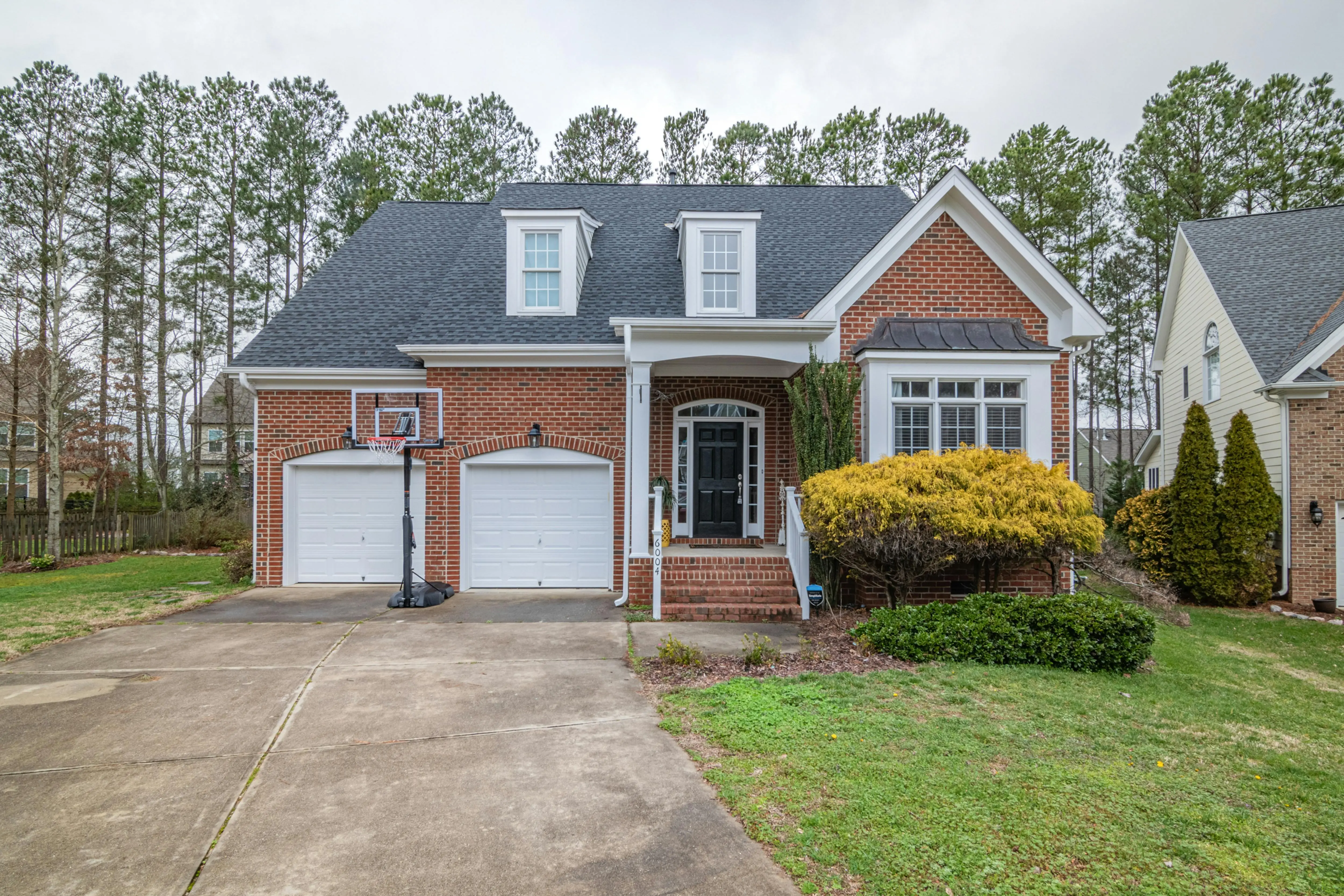
Why the Right Driveway Contractor in NYC Matters
A driveway in New York City is more than a parking spot—it's valuable real estate, a first impression, and a permit-heavy project that can go sideways fast if the crew you hire doesn't know local codes. Because space is tight and regulations are tighter, choosing experienced Driveway Contractors in New York City, NY is the single biggest factor in getting a durable, ticket-proof driveway that actually boosts curb appeal.
What NYC Driveway Work Actually Involves
Before you request quotes, understand the scope so you can compare apples to apples.
Typical Services Offered
- Full tear-out and replacement
- Resurfacing (overlay) of existing concrete or asphalt
- Expansion or widening (common in Queens and Staten Island)
- Belgian block or concrete curb installation
- Drainage correction and trench drains
- Stamped concrete or paver upgrades
- Sidewalk apron repair (DOT permit required)
Permits & DOT Sign-Offs
Any work touching the public sidewalk or apron needs a NYC DOT sidewalk/driveway permit. A reputable contractor pulls the permit under their license, schedules inspections, and handles violations if they arise. Always ask: "Will you pull the permit and include it in the bid?"
How to Build a Shortlist of Qualified Driveway Contractors in New York City, NY
1. Start Local—Borough Experience Counts
Each borough has quirks: Manhattan's steep grades, Brooklyn's landmark districts, Bronx's bedrock, Queens' swampy soil, Staten Island's semi-suburban lots. Search Google Maps for contractors with recent photo reviews in your ZIP code, then cross-check license numbers on the NYC Department of Buildings (BISWeb) site.
2. Verify Licenses & Insurance
- Home Improvement Contractor (HIC) license: Required for any job over $200.
- General liability: Minimum $1 million per occurrence.
- Workers' comp: Non-negotiable in NY. Ask for the certificate directly from the carrier.
3. Read Between the Lines of Online Reviews
Look for mentions of "showed up on time," "left site broom-clean," "no DOB violations," and "foreman spoke English/Spanish." These details reveal how smoothly your project will run. Ignore generic five-star reviews that say "Great job!" with no specifics.
10 Must-Ask Questions Before You Sign
- Will you handle the DOT driveway permit from start to finish?
- What is the exact thickness of concrete or asphalt you're specifying?
- Will you install steel reinforcement or wire mesh, and at what spacing?
- How will you address water runoff so I don't get basement seepage?
- Can I see a copy of your insurance certificate and HIC license?
- What is the start date and weather-related delay policy?
- Do you use your own crew or subs for concrete finishing?
- Is the quoted price tied to fuel or asphalt index surcharges?
- What warranty is included (years, pro-rated, transferrable)?
- Will you provide a maintenance schedule and sealing timeline?
Red Flags That Should Send You Running
- Asks for >50% cash up front (NY law caps deposit at 30% or $10k, whichever is less).
- Quotes thousands below others with no clear explanation.
- Uses leftover asphalt from "another job nearby."
- Can't produce a recent DOT permit in their company name.
- Pressure to decide "today only" because of seasonal discount.
Ballpark Pricing for NYC Driveways in 2024
Prices include standard 4-inch reinforced concrete, permit fees, and disposal. Premium finishes or complex excavation will add 15-30%.
Concrete (broom finish, 4"): $18–$22 per sq ft
Most common in outer boroughs; longest lifespan (30+ yrs).
Asphalt (2.5" compacted): $10–$14 per sq ft
Lower upfront cost, requires seal-coating every 3 years.
Interlocking Pavers: $25–$35 per sq ft
Freeze-thaw resistant, easy spot repairs, higher labor.
Belgian Block Curb: $65–$90 per linear ft
Often required by DOT when apron is disturbed.
Money-saving tip: Schedule off-season (January–March) when crews are hungry; you can shave 8-10% if temps stay above 40°F for concrete pours.
Navigating NYC Permits & Inspections Without the Headache
Even a perfect driveway can be torn up if the paperwork is wrong. Here's the streamlined path:
- Contractor submits drawings to DOT showing existing vs. proposed elevations.
- DOT issues permit number (takes 2–4 weeks).
- Work must start within 60 days; inspector visits mid-job and at completion.
- Sign-off triggers final payment; permit is closed and flag is removed from property record.
Ask your contractor to share the permit PDF so you can track status on the DOT Permit Parking Inquiry page.
How to Prepare Your Property for Installation Day
Mark Utilities
Call 811 (New York 811) at least 48 hrs early. Gas lines in Queens and Staten Island are shallow—striking one can halt work and trigger $10k+ fines.
Secure Parking Permits for Crew
In metered zones, purchase "No Parking" signs from DOT ($26 each) 72 hrs in advance. Your contractor should hang them; verify the dates match your permit.
Protect Adjacent Landscaping
Plywood sheets over lawns and tree pits prevent soil compaction violations from Parks Department.
Post-Install Maintenance Schedule
- Concrete: Seal after 28 days, then every 5 yrs. Use silane-siloxane sealer rated for freeze-thaw.
- Asphalt: First seal 6–12 months after install, then every 3 yrs. Fill cracks by October to prevent ice heave.
- Pavers: Apply polymeric sand every 4 yrs; power-wash gently to avoid removing joint sand.
Keep snow-melt chemicals to a minimum—magnesium chloride is safest for concrete. Never use rock salt on fresh concrete less than one year old.
FAQ: Hiring Driveway Contractors in New York City, NY
If the apron (sidewalk part) is untouched and you're only adding an asphalt overlay on your private drive, technically no DOT permit is required. However, if the curb line or slope changes even ¼", you must file. When in doubt, have your contractor submit a "no-work" clarification letter—it's free and shields you from violations later.
Standard passenger cars: 7 days. SUVs and light trucks: 10 days. Heavy vans or dumpsters: 14 days minimum. New York winters can slow cure times; if temps stay below 45°F, add 2–3 extra days.
Only if zoning allows. Most R1-R2 single-family districts cap driveway width at 18 ft (Queens) or 20 ft (Staten Island). Corner properties have additional "splay" rules to maintain sight lines. Your contractor should check the Zoning Resolution §25-60 and file a BIS job if curb cut modification is needed.