
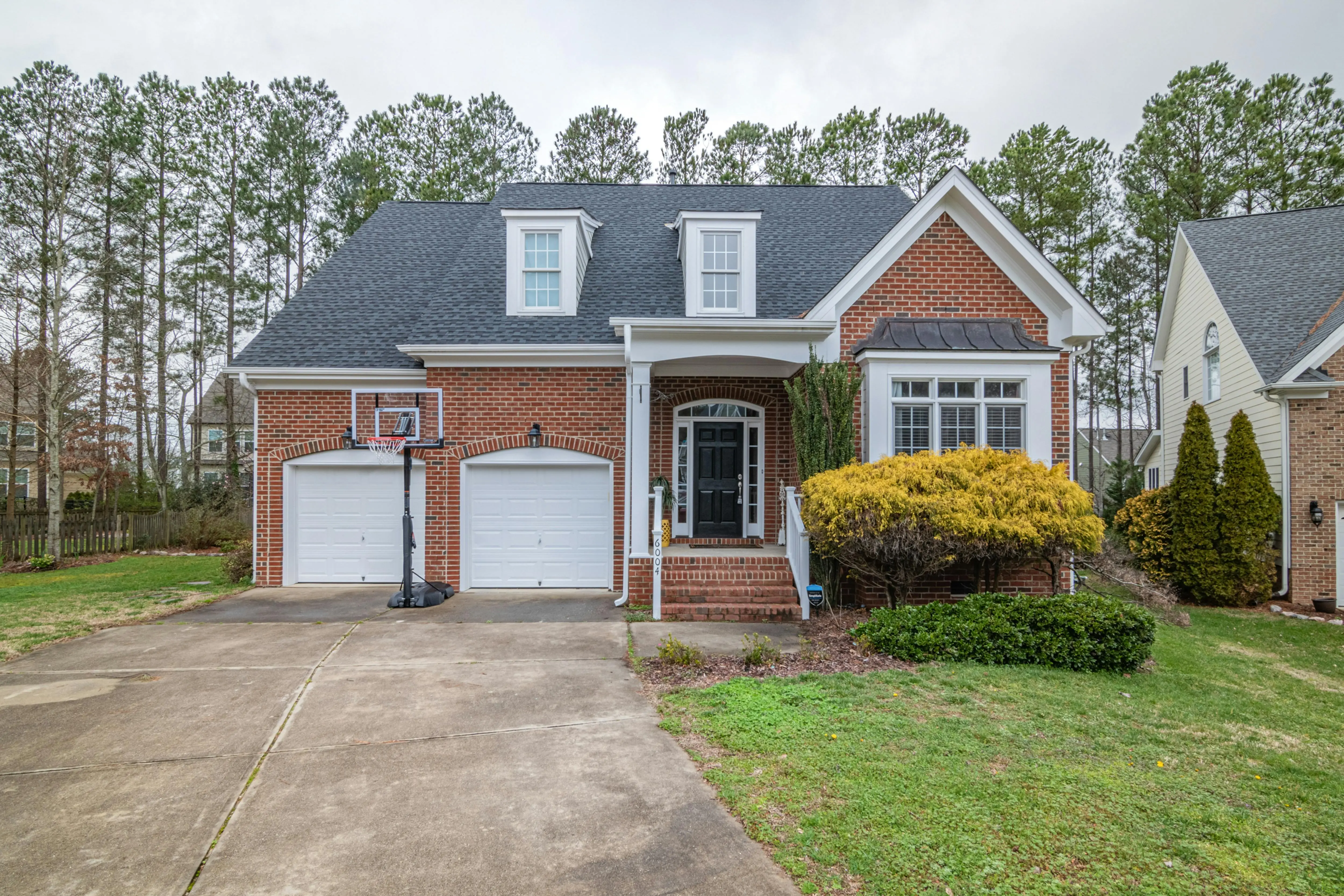
Why the Right Driveway Contractor in Little Rock Matters
A new driveway is one of the biggest curb-appeal upgrades you can make, but only if it's installed correctly. Little Rock’s sticky red clay, humid summers, and occasional ice storms create a unique set of challenges. Hire the wrong crew and you could be staring at cracks, pooling water, or heaving slabs before the next Razorback home game.
The good news? Central Arkansas has plenty of qualified driveway contractors. The key is knowing how to sort the pros from the pretenders without burning weekends or wading through vague quotes. This guide walks you through every step—licenses, materials, pricing red flags, and even how to time the project around Little Rock weather.
Popular Driveway Types in Little Rock
Before you start calling contractors, decide on the surface that fits your budget, style, and maintenance tolerance. Each option performs differently in Arkansas’s freeze-thaw cycles and clay soils.
Concrete: Clean Look, Long Lifespan
Poured concrete handles heat well and can last 30+ years when the base is prepped for expansive clay. Ask for a minimum 4-inch slump and 3,500 psi mix with fiber mesh. Control joints every 10 ft help prevent random cracking.
Asphalt: Budget-Friendly & Flexible
Hot-mix asphalt flexes slightly with soil movement, making it forgiving on clay subgrades. Seal-coating every 3–4 years is non-negotiable if you want to avoid the gray, brittle look. Best installed April–October when nights stay above 50 °F.
Pavers & Brick: High-End Curb Appeal
Interlocking concrete pavers resist shifting because each unit moves independently. They’re pricier up front—$12–$18 per sq ft—but individual pieces can be replaced if tree roots invade. Choose a contractor certified by the Interlocking Concrete Pavement Institute (ICPI).
Gravel & Chip-Seal: Rural Charm on a Budget
Perfect for long farm lanes or wooded lots west of the Arkansas River. Chip-seal (a layer of liquid asphalt topped with aggregate) locks the gravel in place and cuts dust. Plan on regrading every 2–3 years if you have heavy runoff.
Where to Find Reputable Driveway Contractors in Little Rock, AR
Start Local: Little Rock Listings & Referrals
- Nextdoor & Facebook neighborhood groups: Post asking for recent driveway photos plus the name of the crew.
- Little Rock Realtors: Agents rehabbing homes in Hillcrest or Chenal know driveway crews who hit tight deadlines.
- Arkansas Contractor’s Licensing Board website: Use the public lookup to verify the company’s status before you even call.
Review Portals That Filter for Driveway Work
On Google Maps, type “driveway contractors near me” then filter ratings for 4.5★ and above with at least 10 reviews that mention “concrete,” “asphalt,” or “pavers.” Ignore generic “they did great work” comments; look for reviews that talk about drainage, rebar, or base prep—clear signs of an informed customer.
10-Point Vet Check: Separate Pros from Pretenders
- License & insurance: Arkansas requires residential contractors to carry a Commercial License if the job exceeds $2,000. Ask for a certificate of general liability ($1 M) and worker’s comp.
- Arkansas driveway portfolio: Drive past two local jobs completed 3–5 years ago. Hairline cracks are normal; spider-web or offset cracks are not.
- Clay-specific base prep: Little Rock soil can swell 10%. Ask how they’ll stabilize the subgrade—geo-fabric, 6-inch compacted crushed stone, or lime treatment.
- Detailed written bid: Should list square footage, thickness, psi/slope, joint spacing, sealer brand, and start/completion dates.
- Permit handling: Most concrete pours under 1,000 sq ft don’t require a city permit, but HOA approval letters should be copied to you.
- Weather contingency: Good crews watch the National Weather Service Little Rock forecast and will delay if 24-hour rain chance >30%.
- Payment schedule: Never pay >50% up front. Standard: 25% to schedule, 50% day materials arrive, 25% on final walk-through.
- Warranty in writing: Concrete should include 1-year workmanship; asphalt 2-year settling; pavers 5-year settling. Clarify who pays for tear-out vs. spot fixes.
- Equipment ownership: Contractors who own skid steers and laser screeds control timelines better than those who rent last-minute.
- Better Business Bureau profile: Zero complaints in the past 3 years is a green flag.
Little Rock Driveway Costs & ROI (2024 Data)
Price Per Square Foot Installed
- Standard concrete (4″, broom finish): $6.50–$8.50
- Stamped/colored concrete: $10.50–$14.00
- Hot-mix asphalt (2″): $3.75–$5.25
- Chip-seal: $2.25–$3.50
- Interlocking pavers: $12.00–$18.00
Hidden Extras to Budget
Tree removal, root barriers, or hauling off the old concrete can add $1–$2 per sq ft. If the driveway slopes toward your foundation, a French drain tied into the city storm system may run $1,200–$2,000 but prevents costly slab jacking later.
Property Value Impact
According to the 2024 Remodeling Impact Report, a new concrete driveway in the South recoups 77% of its cost at resale—second only to roofing. In high-traffic Little Rock neighborhoods like West Little Rock and The Heights, buyers routinely skip homes with cracked, oil-stained drives.
Red Flags: Little Rock Scam Patterns
Fly-by-night seal-coat crews canvassing cul-de-sacs after a fresh chip-seal job on Kanis Road are legendary. Protect yourself:
- “Leftover asphalt from a state job”: DOT contractors don’t hawk surplus on driveways.
- Pressure to pay cash today: Legit companies take checks or cards; cash leaves zero paper trail.
- No physical address: Google the street view—if it’s a storage unit or empty lot, move on.
- Super-low square-foot price: If three bids average $7 and one comes in at $4, they’re cutting steel or base thickness.
Best Time of Year to Pave in Central Arkansas
Concrete: March–May & September–November
Pour when daytime temps are 55–80 °F and humidity moderate. July pours risk rapid surface evaporation leading to craze cracking unless the crew uses an evaporation retardant.
Asphalt: April–early October
Plants need 50 °F and rising overnight temps for proper compaction. Schedule 2–3 months ahead; Little Rock’s commercial paving season books up fast.
Pavers: Year-Round (weather permitting)
Because compaction equipment is smaller, paver patios and drives can go in during winter dry spells. Avoid during heavy rain weeks when clay turns to mud.
How to Prepare Your Property for Installation Day
- Mark sprinkler heads and underground dog fences; the crew isn’t liable for unmarked lines.
- Relocate vehicles 50 ft away; concrete trucks weigh 70,000 lb and will crack thin decorative edging.
- Give neighbors 48-hour notice; heavy equipment starts at 7 a.m. sharp.
- Have your water hose threaded and ready for cleanup; most crews use 100–150 gal to wash tools.
Frequently Asked Questions About Driveway Contractors in Little Rock, AR
Residential driveways under 1,000 sq ft generally do not require a building permit inside city limits. However, if you’re widening the apron onto a public street or adding a new culvert, Public Works may require a ROW (right-of-way) permit. Always confirm with Little Rock’s 311 line and your HOA before work begins.
Concrete: Keep foot traffic off for 24 hours, cars off for 7 days minimum (14 days in chilly weather). Asphalt: Cool to the touch—usually 24 hours for cars, 48 hours for heavy trucks. Paver drives can handle vehicles immediately after the final compaction sweep.
Expansive clay soil that swells when wet then shrinks during drought. Proper base prep—6-inch compacted crushed limestone plus geo-fabric—prevents up to 80% of future movement cracks. Also, downspouts that dump roof water beside the edge undermine the base; extend them 5 ft away.
You can, but factor in dump fees ($30–$40 per ton at Little Rock Landfill) plus equipment rental. A 20-sq ft section of 4-inch concrete weighs about 800 lb. Most contractors haul debris for less than DIY once you price skid-steer, trailer, and your weekend time.