
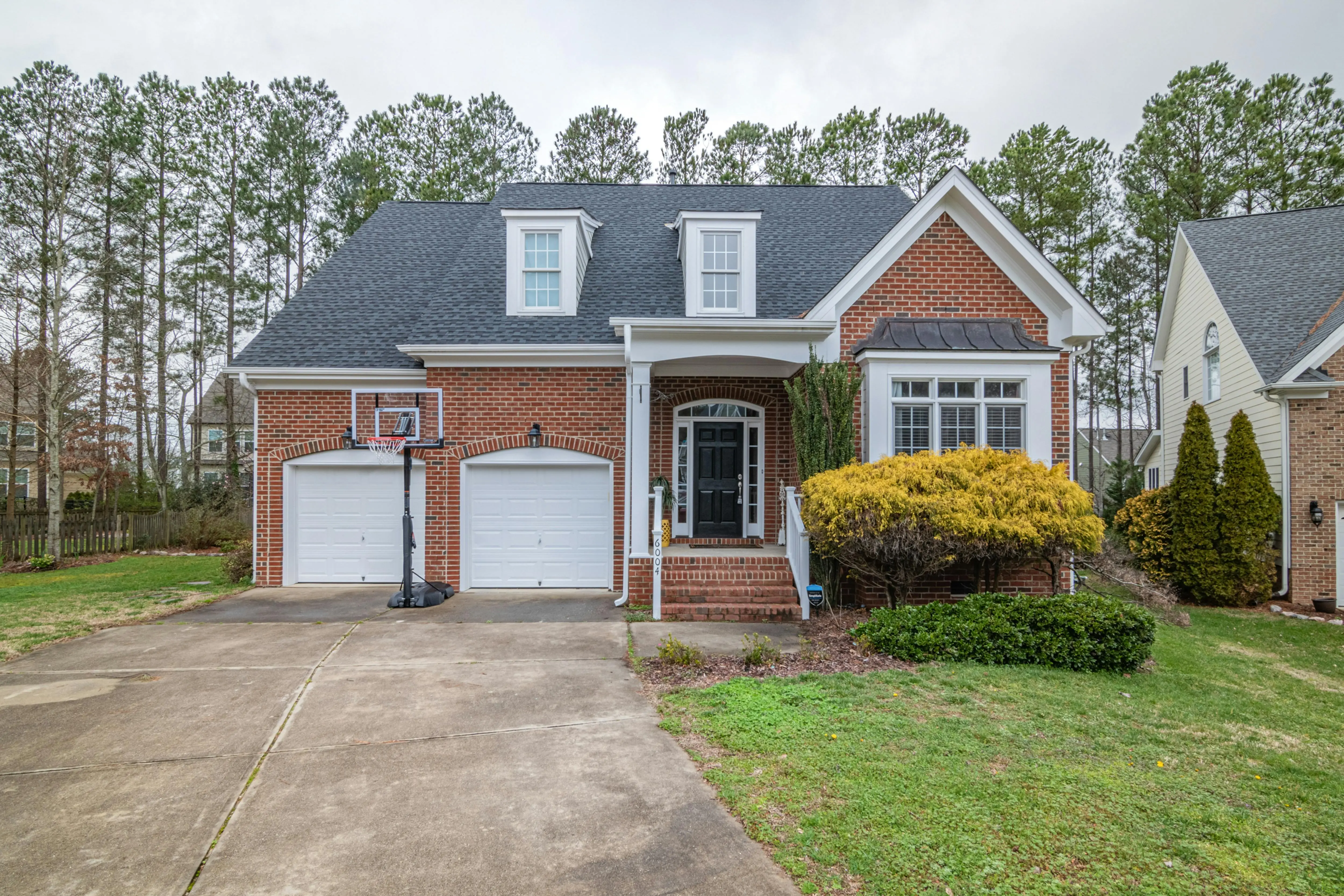
Why the Right Driveway Contractors in Atlanta, GA Make All the Difference
A new driveway is one of the fastest ways to boost curb appeal and protect your vehicles from Georgia’s red-clay mud. Yet Atlanta’s freeze-thaw cycles, heavy clay soils, and tree-root invasion mean a driveway here has to be built smarter, not just prettier. The contractor you choose determines whether you get a 25-year asset or a 5-year headache.
In the metro area alone, more than 300 companies advertise “driveway work.” This guide walks you through filtering that list down to the 2–3 installers who will deliver a smooth, crack-free surface on time and on budget.
Popular Driveway Types in Atlanta—and Which Contractors Actually Install Them
Before you start calling, know what material fits your house style, soil, and HOA rules. Not every “driveway contractor” pours concrete, and not every paver installer understands permeable options required inside the Perimeter for some new builds.
Concrete Driveways
Poured concrete is still the number-one choice in Atlanta suburbs. Look for contractors certified by the Georgia Ready Mixed Concrete Association (GRMCA) who order 4,000-psi mixes with 5–7 % air entrainment to survive freeze-thaw cycles.
- Typical life span: 25–30 years
- Cost range: $6–$9 per sq ft for standard broom finish
- Add-ons: stamped patterns ($2 extra), integral color ($1.50), saw-cut control joints every 10 ft (included)
Asphalt & Tar-and-Chip
Best for long rural drives in Cobb, Cherokee, and Forsyth counties. Hot-mix asphalt needs a 6-in. crushed-stone base to handle red clay expansion. Ask if the crew uses a ¾-in. Superpave surface mix—Georgia DOT spec—for extra durability.
- Seal-coat every 3 years to prevent oxidation
- Cost: $3–$5 per sq ft (2024 pricing)
Paver & Permeable Systems
Clay brick, concrete interlock, and permeable pavers solve drainage issues common in Decatur and Brookhaven. Choose a contractor certified by the Interlocking Concrete Pavement Institute (ICPI) who can show you a PICP (permeable interlocking concrete pavement) detail section.
- Cost: $12–$18 per sq ft
- Can earn Gwinnett County storm-water credits
Step-by-Step Research Process
1. Build a “Long List” Quickly
Use Google Maps and filter by “open now” and “rating 4.3+.” Add companies that appear on the first two pages for “driveway contractors in Atlanta, GA.” Aim for 10–12 names.
2. Check Georgia Secretary of State Licensing
Driveway work over $2,500 requires a Residential Basic Contractor license. Search the SOS website using the exact company name; inactive or “non-compliant” status is an instant red flag.
3. Verify Insurance & Workers’ Comp
Ask for a current Certificate of Insurance emailed directly from their agent. Minimums should be $1 M general liability and workers’ comp for any crew larger than three people. Without it, a slip-and-fall on your property becomes your homeowner claim.
4. Read Local Reviews—Not Just Stars
Look for mentions of “showed up on time,” “left no tire tracks on lawn,” “honored warranty.” One review that says “cracks after one winter” outweighs ten five-star generics.
10 Must-Ask Questions Before You Sign
- Are you licensed in Georgia for residential concrete/asphalt?
- Will you pull the driveway permit or will I?
- What base thickness and compaction rate do you guarantee?
- Do you use rebar or fiber mesh, and at what spacing?
- How many control/expansion joints will be cut and where?
- What is the mix design (psi) or asphalt surface course?
- How will you redirect storm water to meet city code?
- What is the start and substantial-completion date?
- Is cleanup and disposal of old material included?
- Do you provide a written warranty longer than one year?
Comparing Apples-to-Apples Estimates
Good contractors itemize labor, materials, permits, and mobilization. Watch for these variances:
Line-Item Red Flags
- “Allowance” for concrete—means price can rise after job starts
- 4-in. base instead of 6-in. on clay soil
- No mention of ABC stone compaction test (Proctor 95 %)
- Sealant priced separately on asphalt jobs—should be Day-1 included
Use a Simple Spreadsheet
List each line item vertically and contractor bids in columns. Color-code anything 15 % above or below the average; ask for clarification. A bid 30 % lower often skips rebar or base thickness—corners you’ll pay to fix later.
What Driveways Cost in Atlanta (2024 Average Prices)
| Material & Finish | $/Sq Ft | 600 Sq Ft Drive (20×30) |
|---|---|---|
| Plain concrete, broom finish | $6–$9 | $3,600–$5,400 |
| Stamped/colored concrete | $9–$14 | $5,400–$8,400 |
| Hot-mix asphalt | $3–$5 | $1,800–$3,000 |
| Clay brick pavers | $12–$18 | $7,200–$10,800 |
| Permeable concrete pavers | $14–$20 | $8,400–$12,000 |
Add $500–$1,200 if heavy tree removal or grading is required. Inside the Perimeter, expect 5–10 % premium for tighter access and traffic control.
Permits, HOAs & Tree Ordinances—Atlanta Specifics
City of Atlanta Driveway Permit
Required for any new curb cut or widening. Submit a site plan showing setback, storm-water path, and tree-save zone. Typical approval: 10–14 business days, $150 fee.
DeKalb & Fulton County Tree Permits
Remove any tree over 6 in. diameter-at-breast-height and you must either replant 1:1 or pay into the tree bank ($300 per caliper inch). Contractors should handle arborist survey and flag root zones before excavation.
HOA Design Review
Most metro HOAs (especially in Alpharetta and Peachtree City) require color samples and a drawing. Build 10–14 extra days into schedule for approvals.
Realistic Project Timeline
- Initial call to site measure: 1–3 days
- Engineering & HOA/permits: 1–3 weeks
- Material procurement: 2–5 days
- Demolition & base prep: 1 day
- Pour asphalt or concrete: 1 day
- Cure & seal (concrete): 3–7 days light traffic, 28 days heavy RV
Weather delays are common in July thunderstorms and January freezes. Ask your contractor for a rain-date policy in writing.
Red-Flag Phrases & High-Pressure Tactics
- “We have leftover asphalt from a DOT job.” (There are no leftovers.)
- “Sign today for 20 % off.” Reputable outfits honor quotes for 30 days.
- Cash-only or door-to-door sales in unmarked trucks.
- No physical address on estimate—could be a storm chaser.
Maintenance Tips to Protect Your Investment
Concrete
- Wait 28 days, then apply a silane-siloxane sealer; repeat every 3–5 years.
- Avoid de-icing salts; use calcium chloride if needed.
- Pressure-wash annually; oil spots should be scrubbed with degreaser within 24 h.
Asphalt
- Seal-coat 6–12 months after install and then every 3 years.
- Repair cracks wider than ¼ in. with hot-rubberized filler.
- Keep sharp motorcycle kickstands and trailer jacks off surface for first year.
Pavers
- Re-sand joints every 2–3 years using polymeric sand to block weeds.
- Inspect edge restraints; Atlanta rains can wash out base and cause spreading.
Warranty & After-Sale Support
Top-tier driveway contractors in Atlanta, GA offer:
- 2-year workmanship warranty on concrete (covers cracking > ¼ in. from workmanship, not ground movement)
- 1-year warranty on asphalt surface integrity
- Transferable warranty to next homeowner—adds resale value
Ask for a warranty packet that specifies who to call, response time (usually 48 h), and whether repairs are pro-rated.
Frequently Asked Questions
In most metro Atlanta jurisdictions, yes. If you keep the same footprint and don’t touch the city sidewalk or curb, some cities allow a “maintenance” replacement without a full permit. However, if the curb is altered or the driveway widened—even by one foot—you must pull a permit and schedule an inspection. Always verify with the local zoning office; fines start at $250 and can double if work continues after a stop-work order.
Keep foot traffic off for 24 hours, cars for 7 days, and heavy trucks or RVs for 28 days. Atlanta humidity speeds curing, but the first 48 hours are critical. Contractors should tape cones or barricades at the apron so delivery drivers don’t accidentally use it.
Usually not a good idea. Proper base depth (6 in. of graded aggregate) and compaction to 95 % Proctor density require plate compactors and sometimes a 2-ton roller—equipment most homeowners don’t own. If the base settles later, every contractor will void the warranty because the prep was out of their control. Let the pros handle the entire package so warranty coverage stays intact.
Early fall (late September–November) offers the ideal combo: lower humidity, moderate temps (60–75 °F), and reduced rainfall. Concrete cures slowly enough to gain strength, yet sealants dry quickly. Spring is second best. Avoid July–August unless the crew can pour at dawn and use evaporation retarders; extreme heat causes surface crazing.