
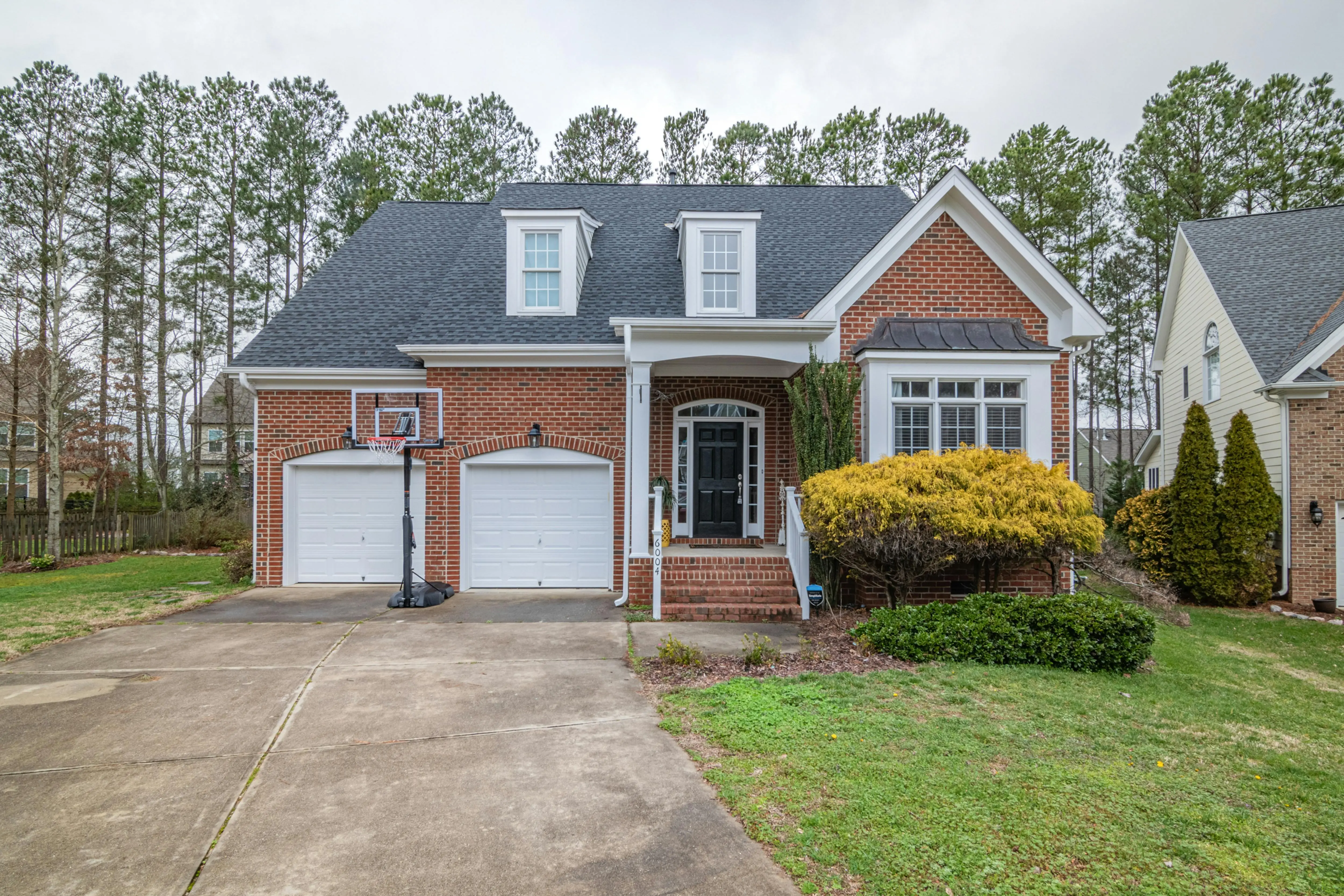
Why the Right Driveway Contractor in Albuquerque Matters
A driveway is the red carpet to your home—first impressions start here. In Albuquerque’s high-desert climate, that ribbon of concrete, asphalt, or pavers has to shrug off intense UV, monsoon rains, and the occasional freeze-thaw cycle. Pick the wrong crew and you’ll be staring at spider-web cracks and oil stains long before the mortgage is paid off. Choose wisely and you’ll gain a rock-solid surface that boosts curb appeal and resale value.
This guide walks you through every step—licensing checks, material choices, cost breakdowns, and vetting tricks—so you can hire Driveway Contractors in Albuquerque, NM with total confidence.
Popular Driveway Materials in Albuquerque
Each material performs differently in the Duke City’s altitude, heat, and alkaline soil. Match your choice to budget, aesthetics, and maintenance tolerance.
Concrete: The Low-Maintenance Workhorse
- Pros: 25–30-year lifespan, clean modern look, handles NM sun without softening.
- Cons: Can crack if control joints aren’t cut correctly; slightly higher upfront cost.
- Local tip: Ask for 4,000 psi minimum with 5–6% air entrainment to survive winter cold snaps.
Asphalt: Budget-Friendly & Flexible
- Pros: Lower initial price, flexes with expansive clay soils common on the Westside.
- Cons: Requires seal-coating every 3–5 years; softens in 100 °F summer heat if cheap mix is used.
- Local tip: Demand NM DOT-approved PG 70-22 binder so it won’t rut in July.
Pavers & Stamped Concrete: Southwestern Flair
- Pros: Endless color palettes, complements adobe and Pueblo-style homes, single-unit replacement if one cracks.
- Cons: Higher labor cost; polymeric sand joints need occasional refresh.
- Local tip: Choose earth-tone pavers with UV-stable pigments to avoid fading at 5,000-ft elevation.
Red-Hot Checklist for Vetting Driveway Contractors in Albuquerque, NM
Skip the Craigslist roulette. Use this repeatable process to separate pros from pretenders.
Verify New Mexico Licensing & Insurance
- Pull the contractor’s GB-98 (General Building) or GB-2 (Residential) license at NM Regulation & Licensing.
- Confirm general liability ($1 M) and workers’ comp. Ask for certificates sent directly from the agent—no screenshots.
- Check city permits: Albuquerque requires a “Residential Driveway & Approach” permit ($120–$180) for new cuts onto public streets.
Scan Reviews & Court Records
- Better Business Bureau: Look for A+ with fewer than 3 unresolved complaints.
- Google Business Profile: Read the “2- to 4-star” reviews—middle ratings reveal real problems.
- NM Courts Case Lookup: Search contractor & owner names for construction litigation.
Demand Local References & Drive-Bys
Ask for 5 addresses poured 3–5 years ago. Drive out, knock on doors, and inspect for spider cracks, color fade, and oil sheen. Homeowners love to talk about their driveways—listen.
Compare Apples-to-Apples Bids
Each quote should list:
- Exact square footage
- Edge thickness (5 in. vs. 6 in.)
- Rebar or fiber mesh specs
- Sealer type & coats
- warranty length and what’s covered (cracking, spalling, settling)
2024 Cost Breakdown: Albuquerque Driveway Prices
Regional labor rates, aggregate shortages, and fuel surcharges swing numbers by 10–15%. Use these mid-2024 medians as your baseline.
Concrete (plain broom finish)
- $7.80–$9.50 / sq ft
- 24×24 ft two-car (576 sq ft): $4,500–$5,500
Stamped & Colored Concrete
- $12.50–$16.00 / sq ft
- 24×24 ft: $7,200–$9,200
Asphalt (2-in. base + 1.5-in. surface)
- $4.25–$5.75 / sq ft
- 24×24 ft: $2,450–$3,300
Interlocking Pavers
- $14.00–$19.00 / sq ft
- 24×24 ft: $8,000–$11,000
Hidden Costs to Budget For
- City permit: $120–$180
- Tree-root removal: $250–$700 per root ball
- Soil stabilization (geogrid): $2 / sq ft on sloped lots
- Seal-coat maintenance (asphalt): $0.35 / sq ft every 3 yrs
Payment Best Practices
- Never pay more than 30% down (materials only).
- Hold 10% retainage until final walkthrough.
- Use a credit card or escrow—not cash—for added leverage.
Project Timeline: From First Call to First Tire
Albuquerque’s monsoon season (July–August) and October freezes can compress schedules. Plan accordingly.
Week 1: Consultation & Site Evaluation
Contractor surveys soil type (expansive clay vs. sandy loam), measures slope, and marks utility lines (call 811). Soil test optional but wise on new builds.
Week 2: Permits & Design Approval
Permit filing takes 3–5 biz days. HOA approval (if applicable) can add a week; submit colored drawings to speed the process.
Week 3: Demo & Base Prep
1 day for asphalt tear-out, 2 days for reinforced concrete. Haul-off fees run $400–$600/load at Cerro Colorado landfill.
Week 4: Pour or Pave
Concrete: 1 day pour, 2 days cure before foot traffic, 7 days before vehicles. Asphalt: 1 day pave, 24 h cure. Pavers: 2–3 days with compaction.
Week 5: Seal & Final Walkthrough
Create a punch-list: uniform color, no birdbaths (standing water), consistent joint width. Sign off only when items are fixed.
Albuquerque-Specific Maintenance Hacks
Extend driveway life in the high desert with these field-tested tips.
UV & Heat Defense
- Apply silane-siloxane sealer every 2 years to block UV and alkali salts.
- Keep sprinkler overspray off concrete—Albuquerque’s hard water leaves white calcite streaks.
Monsoon & Freeze Protection
- Ensure downspouts dump 5 ft away; clay soil swells and will buckle slabs.
- Before first freeze, patch hairline cracks < ¼ in. with polyurethane to stop water ingress.
Oil & Pinon Sap Stain Removal
Spread non-clumping kitty litter overnight, sweep, then scrub with biodegradable citrus degreaser. Avoid wire brushes on stamped surfaces—they remove color.
5 Red Flags That Scream “Run”
- “We have leftover asphalt from a highway job.” That mix is too coarse for residential and cools too fast.
- License plate from out of state + no NM tax ID. Storm chasers disappear when cracks appear.
- Quotes half the neighborhood average. Corners get cut on base thickness and rebar.
- Requires 75% cash up-front. Classic setup for abandonment.
- No written warranty. A reputable Albuquerque contractor offers 2–5 years on concrete, 1 year on asphalt.
Frequently Asked Questions
Yes, if you are widening the approach, changing the curb cut, or switching from gravel to hard surface. A simple “in-kind” replacement on the same footprint still benefits from a quick over-the-counter permit (usually approved same day) to stay compliant with drainage codes.
Keep foot traffic light for 48 hours and vehicles off for 7 full days. Hot Albuquerque sun speeds surface curing but inner concrete still needs moisture retention—ask your contractor to spray a white curing compound or lay wet burlap during the first 72 hours.
Upfront, asphalt runs about 40% less. Over a 20-year span, the gap tightens because asphalt needs seal-coating every 3–5 years. Factor in maintenance and concrete often wins on total cost of ownership—plus it raises resale value more in NM’s market.
A small 100-sq-ft courtyard maybe, but a full driveway requires plate compactors, geo-fabric, and precise slope drainage. One mis-graded section funnels monsoon water into your garage. Most DIYers underestimate base prep by 30%. Hiring a certified paver installer keeps the warranty intact and avoids costly tear-outs.