
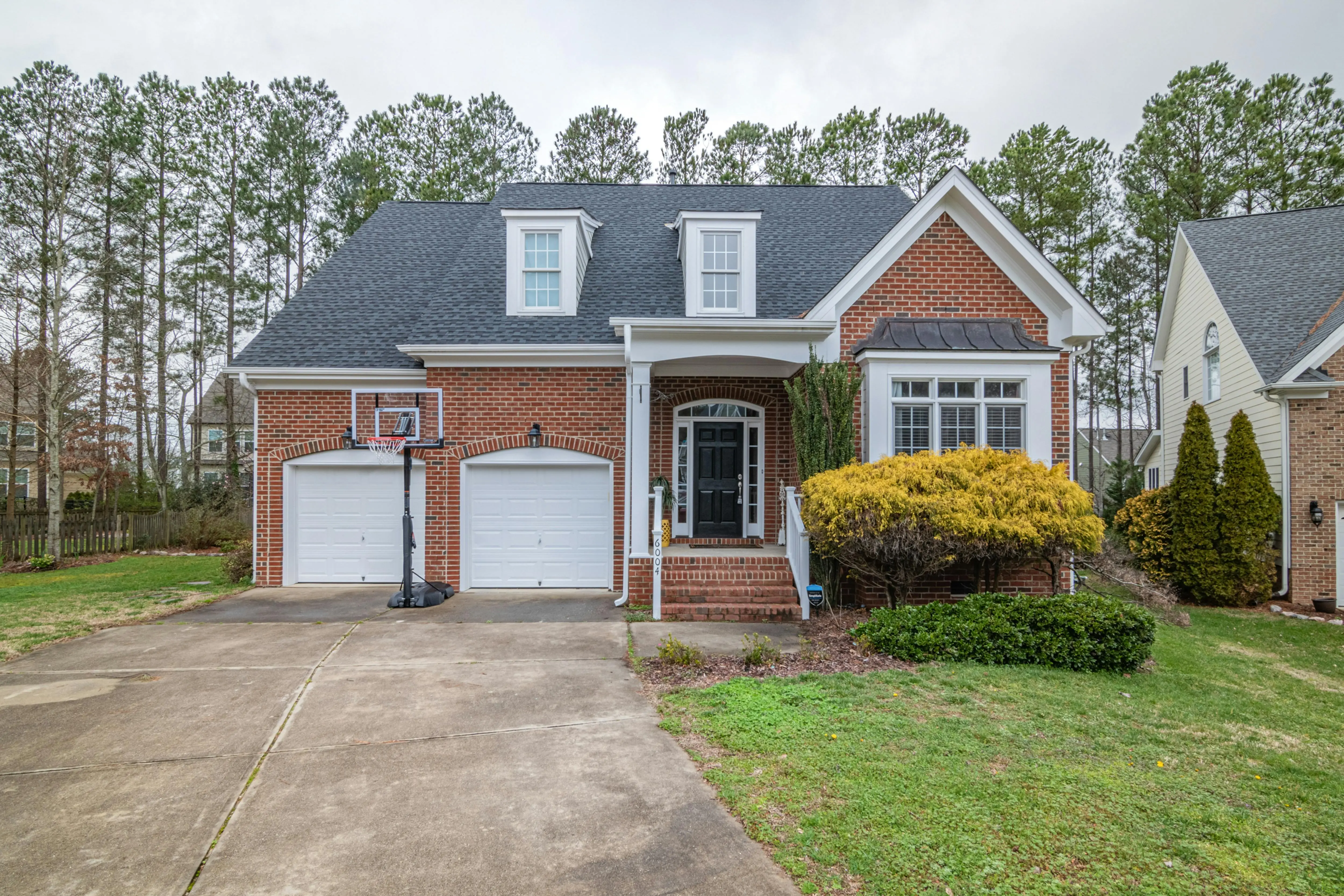
Why Driveway Condition Matters in a Home Inspection
Buyers judge a house from the curb first, and the driveway is the biggest slab of visible concrete or asphalt on the property. A cracked, weed-filled surface signals deferred maintenance before anyone steps inside. Inspectors know this, so they photograph every trip hazard, oil stain, and drainage issue. If you plan to list your home—or you’re a buyer who doesn’t want surprise repair bills—understanding how Driveway Condition and Home Inspection intersect will save you thousands and plenty of negotiation headaches.
What Inspectors Actually Evaluate on a Driveway
Home inspectors aren’t paving contractors, but they follow InterNACHI and ASHI standards that require noting any defect that affects safety, water management, or structural integrity. Here’s the short list they carry on every clipboard.
1. Surface Integrity
- Cracks wider than ¼ in. (6 mm)
- Spalling, flaking, or exposed aggregate
- Potholes or alligator patterns in asphalt
Quick tip: Run a quarter through the widest crack; if it drops in, expect a red flag on the report.
2. Trip Hazards
- Vertical displacement between slabs greater than ½ in.
- Settled sections near garage aprons or sidewalks
- Broken edges where cars compress unsupported corners
These items are liability magnets because a guest can sue if they stumble.
3. Drainage & Slope
- Ponding water 24 hours after rain
- Runoff flowing toward the foundation
- Missing or clogged expansion joints that trap water
Inspectors photograph puddles because persistent moisture shortens pavement life and invites basement leaks.
4. Vegetation & Joint Gaps
- Weeds growing through cracks—roots widen them every freeze cycle
- Overgrown tree limbs depositing sap and leaves
Simple maintenance can erase these cosmetic negatives in one weekend.
Top 5 Driveway Red Flags That Kill a Deal
Not all defects are equal. The following five scare buyers the most because they hint at expensive replacement or liability risk.
- Continuous cracks parallel to the garage: Indicates settlement or poor base compaction.
- Heaved center joint: Frost push or tree-root lift can tilt slabs enough to scrape low cars.
- Cracks wider than a credit card: Signals loss of structural capacity; patching is temporary.
- Oil-saturated sections: Fluids soften asphalt binders and leave irreversible stains on concrete.
- Step cracks where driveway meets foundation: Buyers fear the house is shifting, not just the slab.
If any of these appear on the inspection report, expect the buyer to request a credit or full replacement bid.
DIY 10-Minute Driveway Inspection Before You List
You don’t need a license to spot trouble early. Print this checklist, grab a ruler and your phone, and walk the slab.
Step 1: The Quarter Test
Measure crack width every 10 ft. Mark anything ¼ in. or wider with sidewalk chalk for later sealing.
Step 2: The Garden-Hose Test
Turn on the hose and watch where water flows. If it backs up toward the house, you have a slope problem.
Step 3: The Straight-Edge Test
Lay a 6-ft. 2×4 on edge across joints. Gaps larger than ½ in. under the board are trip hazards.
Step 4: Photo Everything
High-resolution images help contractors give accurate quotes and prevent “extras” later.
Repair vs. Replace: How to Decide
When Cosmetic Repairs Suffice
- Hairline cracks under ⅛ in.
- Isolated oil spots smaller than a dinner plate
- Faded color but solid surface
Budget $1–$2 per sq. ft. for professional crack seal and a coat of asphalt sealer or concrete stain.
When Partial Replacement Is Smarter
- One or two settled panels
- Spalling limited to the top ½ in. of concrete
- Damaged apron but sound main slab
Concrete panel replacement runs $8–$12 per sq. ft.; asphalt patches $4–$6.
When Full Replacement Is Unavoidable
- Spider-web (alligator) cracking over 30% of surface
- Base washout causing multiple sinkholes
- Recurring ponding despite regrading
New 4-in. reinforced concrete averages $10–$15 per sq. ft.; 3-in. asphalt $6–$10. Add $1–$2 for tear-out and disposal.
ROI: Will a New Driveway Pay for Itself?
Remodeling Magazine’s Cost vs. Value Report pegs a new concrete driveway at 68% immediate resale value in the Midwest, higher in premium neighborhoods where curb appeal dominates. More importantly, homes with brand-new driveways sell 1–2 weeks faster, reducing carrying costs like taxes and utilities. If your existing slab scores “Poor” on an inspector’s report, a $7,000 replacement can prevent a $10,000–$12,000 buyer credit request.
Permit & Disclosure Requirements by Region
Most municipalities treat driveway replacement as a “right-of-way” project if it connects to the street. Expect:
- A $50–$150 permit fee
- Storm-drainage plan approval
- Inspection of base gravel before concrete is poured
Failure to disclose known defects can trigger lawsuits after closing. In Texas, for example, the Seller’s Disclosure Notice explicitly asks about “driveway damage.” Marking “Do Not Know” after you patched cracks last year can be construed as fraud.
Seasonal Maintenance Calendar
Spring
- Pressure-wash to remove salt residue
- Fill new cracks with polyurethane sealant
- Re-stripe expansion joints with flexible caulk
Summer
- Apply asphalt sealer every 3–5 years
- Trim tree roots early before they lift slabs
Fall
- Clean leaves to prevent tannin stains
- Ensure downspouts discharge past the edge of concrete
Winter
- Use calcium magnesium acetate instead of rock salt on concrete
- Shovel promptly; metal blades can scar asphalt
Frequently Asked Questions
Hairline cracks under ⅛ in. are considered normal wear and rarely trigger concessions. Seal them for a cleaner look and note the repair on your disclosure to reassure buyers.
DIY crack sealers work for gaps under ¼ in. that show no edge crumbling. For wider cracks or asphalt alligatoring, hire a contractor who uses hot rubberized filler and can warranty the job for at least two years.
Concrete needs five to seven days cure time before passenger-vehicle traffic; asphalt is ready in 24–48 hours. Schedule final inspection only after the surface can withstand a car, or the appraiser may flag it as incomplete.
Yes. Both programs require safe access and egress. Trip hazards over ½ in. or major drainage defects must be cured before the loan funds. A repair escrow is possible but adds paperwork and delays.