
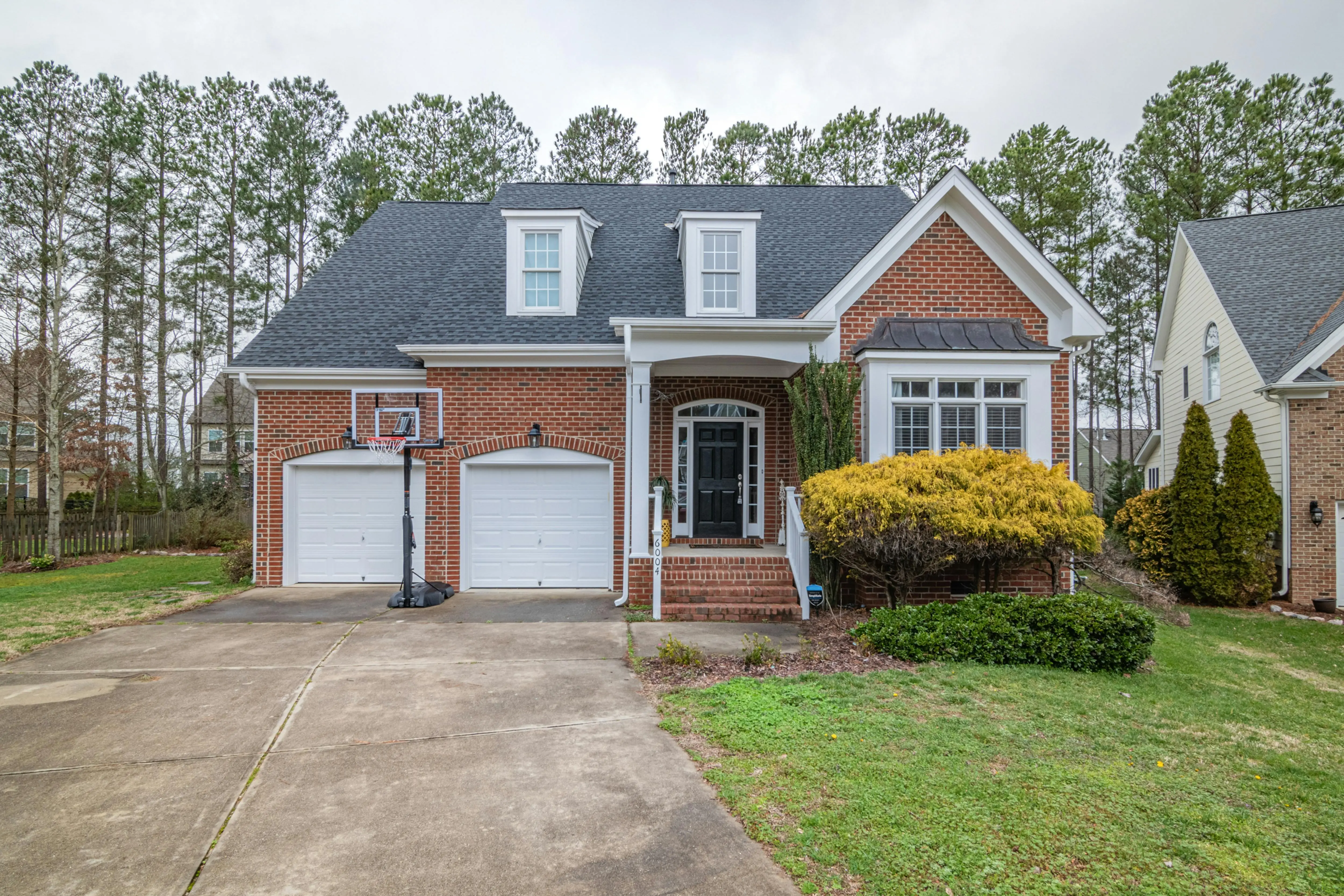
Driveway Concrete Polishing Outdoors: The Big Picture
Driveway concrete polishing outdoors is gaining traction with homeowners who want the same glossy, low-maintenance floors they see in showrooms and restaurants—only this time under the sun, rain, and tires. But is it practical? In short, yes, if you choose the right sealer, prepare the slab correctly, and understand that “polished” outside behaves differently than inside.
This guide walks you through benefits, costs, slip-resistance, climate concerns, and maintenance so you can decide whether a polished driveway is worth the investment.
How Outdoor Concrete Polishing Differs From Indoor
The Basic Process
Contractors grind the surface with progressively finer diamond pads (usually 400–1,500 grit) until the pores close and the stones in the mix reflect light. Indoors, the last step is a guard coat that burnishes to a glassy finish. Outdoors, that guard would peel under UV and tire abrasion, so crews swap it for a breathable, UV-stable penetrating sealer that still “polishes” to 200–400 grit—enough shine to look wet, but not a full mirror.
Slip-Resistance Requirement
Interior floors can be slick; driveways can’t. Pros add a micro-texture by:
- Stopping at 200–400 grit instead of 800+
- Burnishing in a clear anti-slip additive (aluminum oxide or glass beads)
- Using a densifier that crystallizes at the surface for micro-pores
The result is a surface that meets ASTM 1028-C wet-slip standards (≥0.42 coefficient) without sacrificing the sheen.
Top Benefits of a Polished Driveway
1. Curb Appeal That Lasts
A 200-grit outdoor polish reflects 30–40 % of sunlight—enough to make the driveway the focal point of your front yard. Unlike topical sealers, the shine is integral; it won’t yellow or peel.
2. Stain & Oil Resistance
Silane-siloxane sealers repel motor oil, fertilizer rust, and leaf tannins for 5–7 years. Spills bead instead of soaking in, so cleanup is a quick hose-off.
3. Lower Lifetime Cost
Plain broom-finish driveways need resealing every 2–3 years. Polished concrete is already sealed internally; you only re-densify every 7–10 years at roughly $0.60 per sq ft.
4. Dust Reduction
Grinding removes the top cement paste that normally chalks onto shoes and car doors. If you keep a clean garage, you’ll notice the difference immediately.
Climate Considerations: Freeze-Thaw, UV, and Salt
Freeze-Thaw Zones
Polished concrete is denser (less than 5 % absorption), so it resists internal water expansion. Make sure your installer applies a lithium-silicate densifier and keeps the grit under 400; over-polishing can close pores so tightly that trapped water has no escape route.
UV Stability
Choose a pure lithium-, siliconate-, or silane-based sealer. Avoid acrylics or epoxies—they amber under UV and lose gloss in 12–18 months.
De-Icing Salt
Polished driveways handle salt better than standard concrete because the surface is less porous. Still, rinse the slab in March to remove chloride buildup and extend sealer life.
Real-World Cost Breakdown (2024 U.S. Averages)
New Construction
- 4-inch steel-reinforced slab: $5.50–$6.75 per sq ft
- Polish & densify to 200 grit: $3.25–$4.00 per sq ft
- UV-stable penetrating sealer: $0.90 per sq ft
- Total: $9.65–$11.65 per sq ft
Retrofit (Existing Slab)
If your driveway is structurally sound but ugly:
- Deep grind to remove stains & level: $2.00–$2.75 per sq ft
- Polish & densify: $3.50–$4.50 per sq ft
- Crack chase & fill: $1.25 per linear ft
- Typical 600 sq ft two-car driveway: $4,800–$6,200
Compare to Alternatives
| Finish | Installed Cost | Maintenance / 10 yrs |
|---|---|---|
| Plain broom + acrylic sealer | $6.50 / sq ft | $2.10 / sq ft |
| Stamped concrete | $12.50 / sq ft | $2.80 / sq ft |
| Interlocking pavers | $14.00 / sq ft | $1.50 / sq ft |
| Polished concrete | $10.50 / sq ft | $0.90 / sq ft |
Expected Lifespan & Wear Patterns
Vehicle Traffic
Front tires grind in dirt and act like sandpaper. A 200-grit outdoor polish will dull slightly in the wheel paths after 3–4 years; a quick 400-grit re-polish ($0.75 per sq ft) restores the gloss.
Weathering
UV breaks down surface silicates at roughly 0.2 mm per decade—cosmetic only. Structural integrity (compressive strength 5,500+ psi) remains unchanged for 30+ years.
Color Options
Integral color, topical dye, or nano-stains can be added before densifying. Expect 10–15 % fade in direct sun; choose lighter earth tones to minimize visual change.
DIY vs. Hiring a Pro
What Homeowners Can Realistically Do
- Wash & etch the surface with a 3,500 psi pressure washer
- Apply a penetrating silane sealer every 5 years (roller + pump sprayer)
- Spot-polish small oil stains with a 7-inch hand grinder and 200-grit pad
What to Leave to the Pros
- Initial grind—planetary machines weigh 700 lb and remove 1/16–1/8 inch evenly
- Dust control—HEPA vacuums required for silica compliance (OSHA Table 1)
- Crack stitching—carbon-fiber staples keep moving joints from telegraphing
Rental Equipment Reality Check
A walk-behind grinder rents for $250/day, but diamond pads cost another $400 for a 600 sq ft driveway. Add dust vac rental, densifier, and sealer, and you’re at $1,200+ with no warranty. Professional bids often start at $3.50 per sq ft—worth it for the labor, insurance, and guarantee.
Low-Maintenance Care Plan
Weekly
- Leaf blow or rinse off debris to prevent organic staining
Monthly
- Neutral-pH soap wash (car-wash soap works) to remove tire films
Annually
- Visual gloss check—if water no longer beads, schedule a sealer top-up
5–7 Years
- Light re-polish (400 grit) and fresh densifier coat
Avoid: muratic acid cleaners, de-icers with ammonium nitrate, and spinning car tires—the heat can micro-spall the surface.
Quick Decision Checklist
Answer “yes” to three or more and polishing is practical for you:
- Your driveway is less than 20 years old and has no major settling cracks
- You like modern, minimalist curb appeal
- You’re willing to pay 30 % more upfront to save on maintenance later
- You live in a climate with < 90 freeze-thaw cycles per year
- You already use a leaf blower or pressure washer for routine cleanup
Frequently Asked Questions
No—contractors stop at 200-400 grit and add anti-slip micro beads, giving a wet COF ≥ 0.42, the same as standard broom finish. Tire grip is actually better because there are no loose sand particles.
Yes—heavy grinding (1/8 inch) removes the stained paste layer. Deep, saturated spots may need an oil-emulsifying cleaner and poultice first. After polishing, the densifier locks out future stains.
Penetrating sealers cure in 24 hrs under 70 °F. We recommend keeping vehicles off for 48 hrs and heavy trucks off for 72 hrs. Full seater cross-link and maximum stain resistance develop after 7 days.
Integral color and nano-stains lighten 10–15 % over 5–7 years. Choose lighter earth tones and add UV-stable lithium densifier to minimize change. A quick 400-grit re-polish can bring color depth back if desired.