
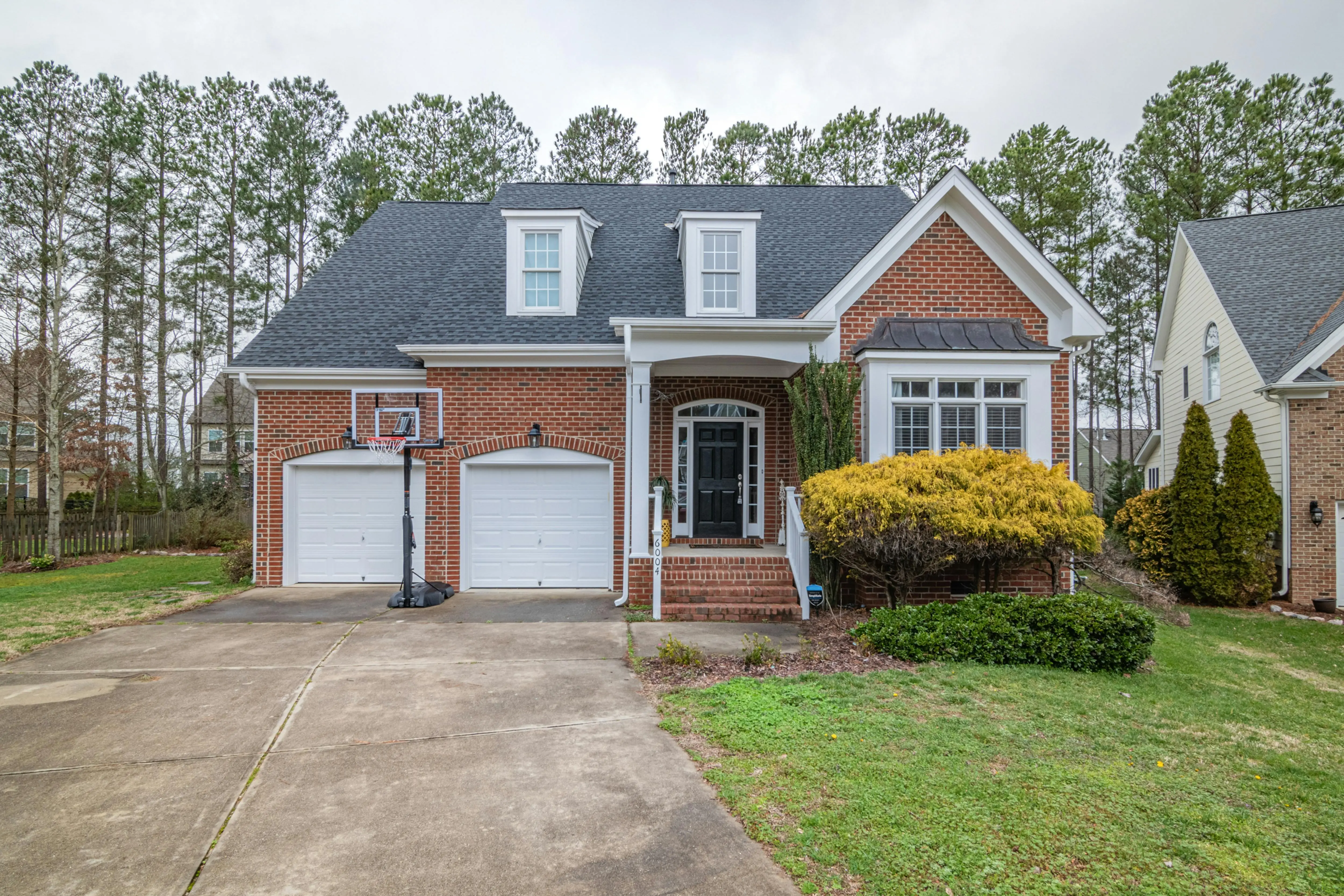
Driveway Concrete Pigment
A plain gray driveway may be functional, but it often lacks visual appeal. If you’re looking to upgrade your home’s exterior, driveway concrete pigment offers a simple yet powerful solution. By adding color directly into the concrete mix, you can create a durable, attractive surface that enhances curb appeal and lasts for years.
What Is Driveway Concrete Pigment?
Driveway concrete pigment is a specially formulated color additive that is mixed into concrete before it is poured. Unlike surface coatings or paints, pigments are integrated into the material itself, resulting in consistent, long-lasting color throughout the slab. This means your driveway won’t just look good initially, it will maintain its appearance even with heavy use and exposure to the elements.
Why Use Pigment in Concrete?
Using pigment in your driveway concrete offers several advantages:
- No peeling, chipping, or flaking
- Permanent, fade-resistant color
- Even color distribution across the entire surface
- Improved aesthetic value and curb appeal
For homeowners looking for both durability and design, pigmented concrete is a smart choice.
Types of Concrete Pigments for Driveways
Choosing the right type of pigment is essential for achieving the desired look and performance.
Synthetic Iron Oxide Pigments
These are the most widely used pigments for concrete driveways due to their reliability and affordability. They typically come in earthy tones such as red, brown, yellow, and black. Known for their excellent UV resistance, these pigments maintain their color even under harsh sunlight. For best results, they are usually added at around 3% to 6% of the cement weight.
Liquid Concrete Pigments
Liquid pigments are pre-dispersed and easy to use, making them ideal for projects that require consistent color mixing. They offer several benefits:
- Easier blending into the mix
- Reduced dust during handling
- More uniform color distribution
However, they may be slightly more expensive and have limited storage life after opening.
Specialty and High-Performance Pigments
If you’re aiming for bold or unique colors like blues or greens, specialty pigments are the way to go. These pigments are engineered for enhanced performance and visual impact. While they come at a higher cost, they provide superior resistance to fading and environmental wear, making them suitable for decorative driveways.
How to Choose the Right Color for Your Driveway
Selecting the right driveway color involves more than just personal preference. It should complement your home and surroundings while also being practical.
Consider Your Home’s Exterior
Look at elements like:
- Wall finishes or brickwork
- Roof color
- Landscaping and outdoor features
A cohesive color scheme creates a more polished and appealing look.
Think About Long-Term Use
Different colors behave differently over time:
- Dark shades tend to hide stains but absorb more heat
- Light shades reflect heat but may show tire marks and dirt
Neutral tones often strike the perfect balance between aesthetics and maintenance.
Test Before You Commit
Always create or request sample slabs before finalizing your choice. Concrete tends to dry 20–30% lighter than it appears when wet, so testing helps avoid surprises.
Concrete Mix Design for Consistent Color
Consistency is key when working with colored concrete. Even small variations in the mix can affect the final appearance.
Maintain a Consistent Cement Source
Different cement brands or batches can slightly alter color tones. Sticking to one source ensures uniformity.
Control the Water-Cement Ratio
Excess water is one of the most common causes of uneven color. A water-cement ratio of around 0.45 or lower is recommended to maintain color integrity.
Choose Suitable Aggregates
Aggregates play a subtle but important role:
- Fine aggregates create a smoother, more uniform finish
- Coarse aggregates may introduce texture and variation
How to Add Pigment to Concrete Mix
Proper mixing techniques ensure even color distribution and a professional finish.
Best Finishing Options for Colored Concrete Driveways
The finish you choose can enhance both the appearance and functionality of your driveway.
Broom Finish
A broom finish is simple, cost-effective, and provides excellent traction. It also subtly enhances the depth of the concrete color.
Exposed Aggregate Finish
This finish reveals the natural stones within the concrete, creating a textured and decorative look. It pairs well with complementary pigment shades.
Stamped Concrete Finish
Stamped concrete mimics materials like stone, brick, or tile. When combined with pigments, it creates a premium, high-end appearance.
Maintenance Tips for Colored Concrete
Maintaining your driveway properly ensures that the color stays vibrant and the surface remains durable.
Seal the Concrete Regularly
Applying a high-quality sealer every 2–3 years protects the surface from UV rays, moisture, and stains.
Clean Spills Immediately
Oil, grease, and chemicals can stain the surface if left untreated. Prompt cleaning helps preserve the appearance.
Use Gentle Snow Removal Methods
Avoid using metal tools that can scratch the surface. Opt for plastic shovels and safe de-icing products.
Cost of Driveway Concrete Pigment
Understanding the cost helps you plan your project effectively.
Material Costs (Approx)
- Iron oxide pigments: $0.35–$0.55 per sq ft
- Liquid pigments: $0.60–$0.85 per sq ft
- Specialty pigments: $1.50–$2.25 per sq ft
Installation Costs (Approx)
- Standard colored concrete: $8–$12 per sq ft
- Decorative or stamped finishes: $14–$18 per sq ft
While colored concrete may cost more upfront, it adds long-term value to your property.
Professional Installation
Although adding pigment might seem simple, achieving consistent color requires experience. Professional installation reduces the risk of uneven color and costly mistakes.
Key Takeaway
Using driveway concrete pigment is one of the most effective ways to enhance your driveway’s appearance without compromising durability. With the right color selection, proper mixing techniques, and regular maintenance, you can achieve a driveway that not only looks great but also stands the test of time. Whether you’re aiming for a subtle, natural finish or a bold decorative statement, colored concrete offers flexibility, longevity, and excellent value for your investment.
Frequently Asked Questions About Driveway Concrete Pigment
Quality iron-oxide pigments are UV-stable and won’t fade perceptibly for decades. What can change is the surface sealer; once it yellows or chalks, the slab looks dull. Re-seal every 2–3 years and the original color snaps back.
Integral color has to go into the mix before placement. For existing concrete, opt for a tinted overlay or penetrating stain followed by a UV-resistant sealer. Expect touch-ups every 5 years versus the lifetime color of integral pigment.
Wait a minimum of 7 days for passenger cars and 14 days for heavy trucks. Early loading can cause tire abrasion that lightens the surface where the wheels track. Keep the sealer coat intact for maximum protection.
Routine maintenance is identical to gray concrete—seal, clean, re-seal. The only extra step is using UV-stable sealers (adds ~$0.15 per sq ft) and avoiding harsh acids. Over a 20-year span, the total cost difference is under $200 for an average driveway.