
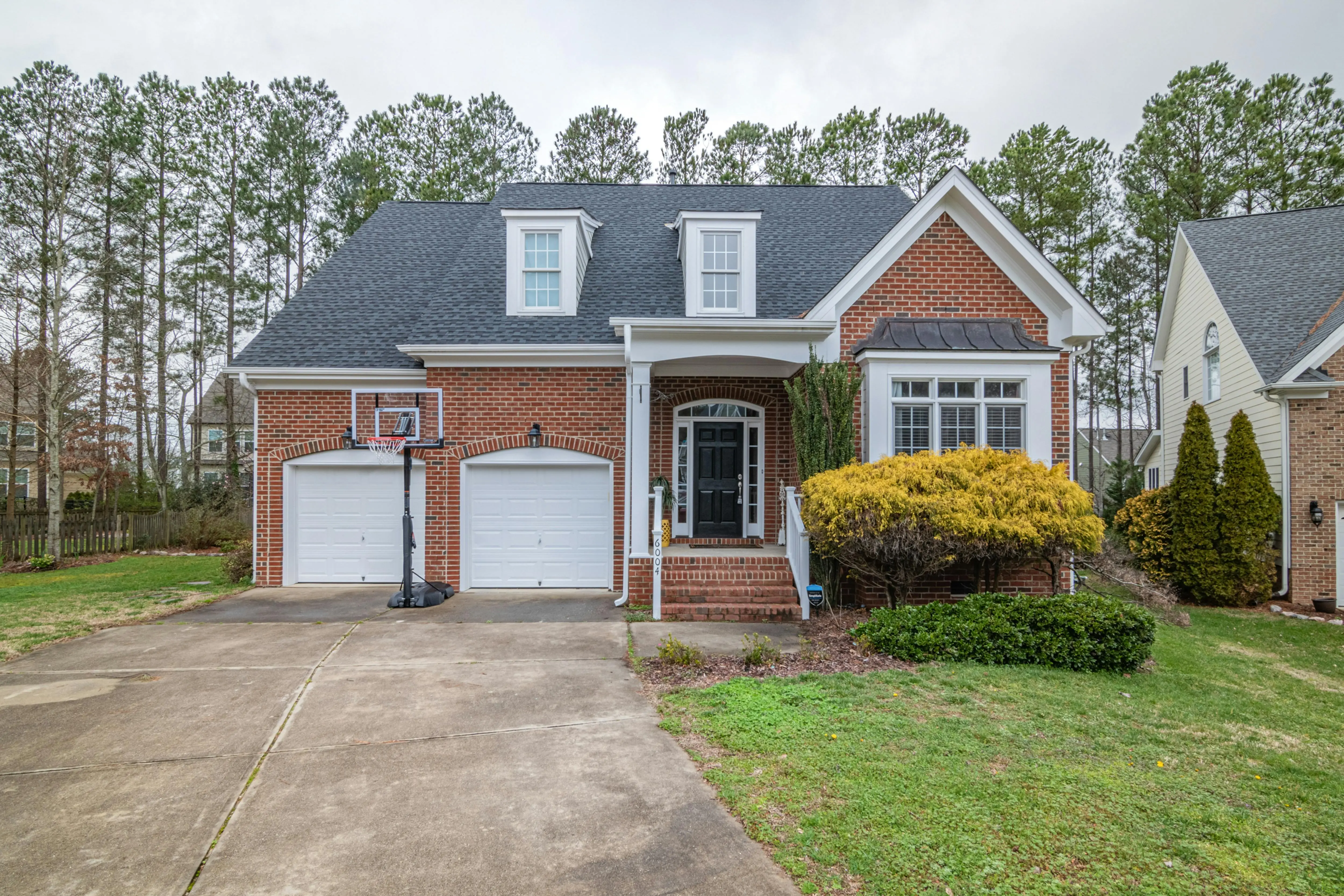
What Is Driveway Concrete Pigment and Why It Matters
Driveway concrete pigment is a powdered or liquid colorant added to the concrete mix before it’s poured. Unlike surface stains or paints that sit on top, pigment integrates with the entire slab, giving you fade-resistant color that won’t wear off with tire traffic, snow shovels or power washing.
If you’re planning a new driveway or replacing an old one, choosing the right pigment is the single easiest way to boost curb appeal without blowing the budget. A warm, consistent color can tie together brick, siding and landscaping, while a poorly matched shade can make even perfect broom finishing look flat.
Types of Driveway Concrete Pigment Explained
1. Synthetic Iron Oxide Pigments
The workhorse of colored driveways. Iron oxides are UV-stable, economical and available in reds, tans, browns, yellows and blacks. Loading rate is usually 3–6 % of cement weight. Go higher and you risk strength loss; go lower and the sun will bleach it out.
2. Liquid Color Dispersions
Pre-mixed, bucket-ready dispersions are trucked to the jobsite and metered straight into the ready-mix truck. Benefits: batch-to-batch consistency and zero dust. Drawback: slightly higher cost per square foot and limited shelf life once opened.
3. Ultra-Performance Pigments
Think cobalt blues, brick reds and slate greens. These specialty pigments cost 3–4× more than iron oxides but hold their own against intense UV and acid rain. Reserve them for showpiece driveways or decorative bands and borders.
How to Choose the Right Color for Your Driveway
Match Hardscape, Not Paint Chips
Hold pigment samples against your roof shingles, brick mortar and adjacent sidewalk. Concrete color dries 20–30 % lighter than the powder looks in the bag, so always request a wet-cured sample slab from your contractor.
Think Long-Term Fade
Charcoal and walnut hide oil stains but absorb heat; lighter tans reflect sun but show tire scuffs. If your driveway faces south with all-day exposure, lean toward mid-tone earth colors that neither bake nor blanch.
Sample Boards: Your Best Insurance
Have the supplier cast two 2×2 ft sample boards with the exact mix design, sealer and finish you’ll use. Place them in sunlight for a week. Only approve the color after you see it wet and dry, morning and afternoon.
Mix Design Tips for Consistent Color
Keep Cement Source Consistent
Color shifts when cement type or brand changes. Lock in one supplier for the whole job and record the mill test reports. If you must switch mid-project, adjust pigment weight to match the new cement’s alkali content.
Water-Cement Ratio Controls Brightness
Extra water dilutes pigment and creates mottling. Specify a 0.45 w/c max and use a mid-range plasticizer instead of water on the truck to maintain slump. Every gallon of water added on site lightens color by roughly 3 %.
Aggregate Show-Through
Exposed stone can speckle dark pigments. If you want uniform color, choose a smaller 3/8 in. pea-gravel mix and spray the forms with a light mineral-oil release so paste stays at the surface.
Step-by-Step: Adding Pigment on Pour Day
- Pre-pour meeting: Confirm pigment dosage per cubic yard, measured by weight not shovels.
- Charge the truck: Add 70 % of the mix water, then pigment, then aggregates and cement. This prevents clumping.
- Mix at high speed: Minimum 70 revolutions at charging speed to disperse color fully.
- Slump check: If water is added later, pigment must be increased proportionally—document everything.
- Place quickly: Colored concrete can show cold joints if you wait more than 30 minutes between trucks.
- Consolidate evenly: Use a jitterbug or vibratory screed; uneven consolidation causes light/dark streaks.
- Cure under plastic: White curing paper or clear polyethylene holds moisture and prevents “picture-frame” discoloration at joints.
Finishes That Make Pigment Pop
Broom Finish
Classic, slip-resistant and economical. The fine grooves catch shadow lines that deepen color. Use a soft-bristle broom for smooth paste and consistent tone.
Exposed Aggregate
Seed decorative gravel then wash off the top paste. Choose a pigment close to the stone hue so any minor chips are camouflaged.
Stamped Overlay
Combine integral pigment with a color-hardener stamp coat for depth. Apply release agent in a contrasting shade to highlight grout lines.
Maintenance Hacks to Keep Color Vibrant
Seal Every 24 Months
UV-blocking acrylic or silane-siloxane sealer prevents water intrusion and freeze-thaw damage. Two thin coats are better than one thick flood coat; over-application can amber the surface.
Clean Spills Fast
Gasoline, fertilizer and leaf tannins etch colored concrete. Keep a neutral-pH detergent and soft-bristle brush handy. Never use muriatic acid on pigmented slabs—it strips color.
Snow-Removal Rules
Metal blades scratch and expose paste. Use a plastic shovel or rubber-edged plow. Calcium-chloride ice melt is safe for colored concrete; magnesium chloride can leave white film.
Cost vs. Value: Budgeting for Driveway Concrete Pigment
Material Pricing
- Iron oxide pigment: $0.35–$0.55 per square foot at 5 % loading.
- Liquid color: $0.60–$0.85 per square foot but saves labor on large pours.
- Specialty cobalt or chrome pigments: $1.50–$2.25 per square foot.
Total Installed Cost
A standard 4-in. broom-finish colored driveway runs $8–$12 per square foot in most Midwest markets, only $1 more than plain gray. Stamped and colored combined can hit $14–$18 but adds $8–12 k to resale value on an average 3-car driveway.
DIY Savings vs. Risk
Pigment itself is only 5 % of the job cost. Botching the pour, however, triggers a full tear-out. Unless you have commercial-grade equipment and crew, leave coloring to the pros and save DIY money on sealing instead.
Quick Troubleshooting Guide
Mottling or Cloud Spots
Cause: inconsistent water, poor curing. Solution: light grind with 80-grit diamond pad and reseal.
Color Too Light
Cause: under-dosing or high water. Solution: tinted penetrating sealer can darken one shade without full overlay.
Efflorescence White Film
Cause: soluble salts migrating out. Solution: dry-brush, apply efflorescence remover, rinse and reseal.
Frequently Asked Questions About Driveway Concrete Pigment
Quality iron-oxide pigments are UV-stable and won’t fade perceptibly for decades. What can change is the surface sealer; once it yellows or chalks, the slab looks dull. Re-seal every 2–3 years and the original color snaps back.
Integral color has to go into the mix before placement. For existing concrete, opt for a tinted overlay or penetrating stain followed by a UV-resistant sealer. Expect touch-ups every 5 years versus the lifetime color of integral pigment.
Wait a minimum of 7 days for passenger cars and 14 days for heavy trucks. Early loading can cause tire abrasion that lightens the surface where the wheels track. Keep the sealer coat intact for maximum protection.
Routine maintenance is identical to gray concrete—seal, clean, re-seal. The only extra step is using UV-stable sealers (adds ~$0.15 per sq ft) and avoiding harsh acids. Over a 20-year span, the total cost difference is under $200 for an average driveway.