
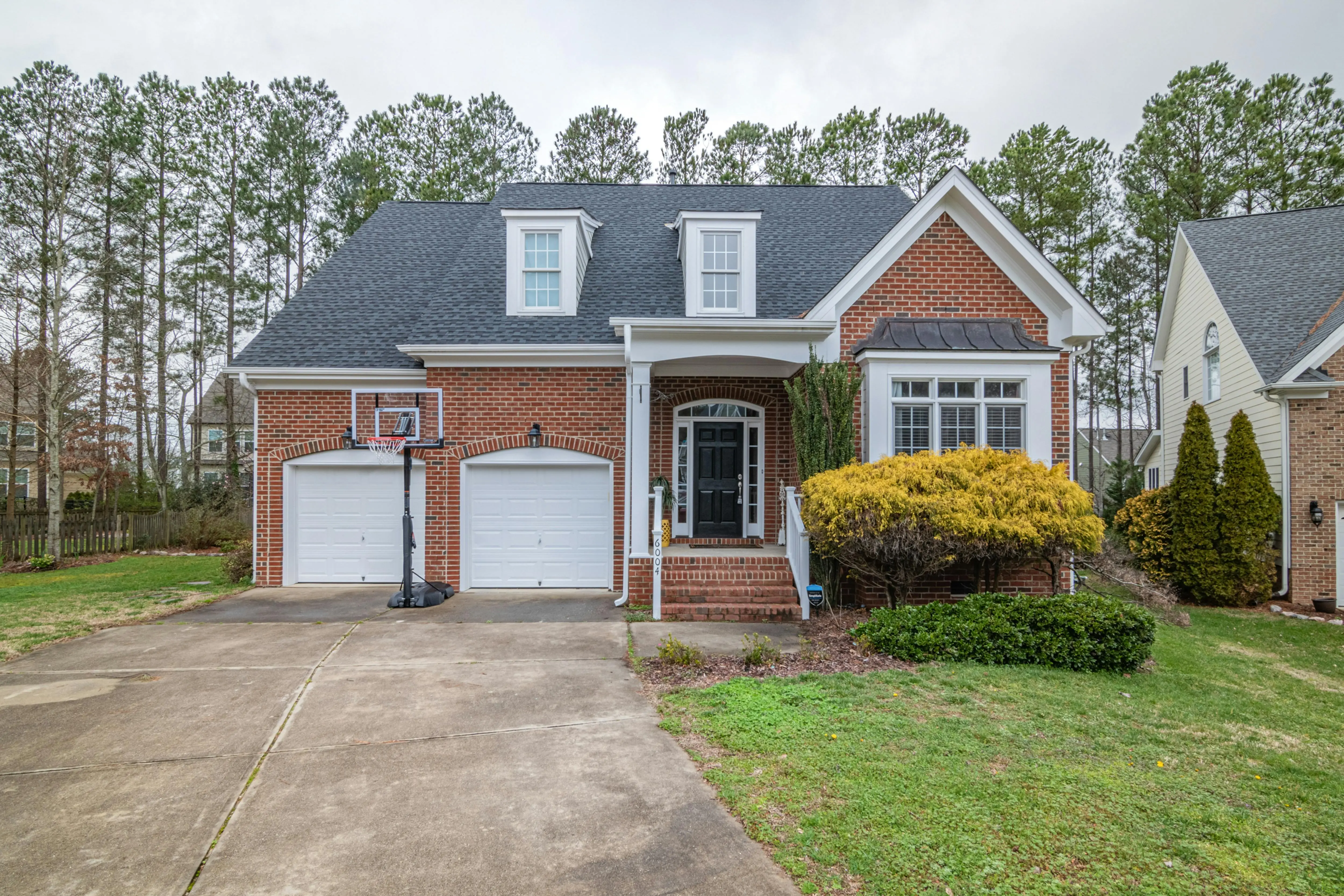
What “Driveway Complete Streets Integration” Really Means for Homeowners
Complete-streets policies require roads to serve everyone—drivers, walkers, cyclists, bus riders, delivery drones, you name it. For homeowners, that means the slice of land where your driveway meets the sidewalk or curb is suddenly part of the public mobility network. Done right, Driveway Complete Streets Integration keeps your property access intact while adding bike lanes, rain gardens, transit stops, or wider sidewalks.
The good news: cities usually pay the bulk of the tab for curb and sidewalk work. The challenge: you may have to upgrade or redo the private portion of your driveway so it aligns with the new street grade, materials, and drainage rules. Below, we break down what to expect, how to save money, and how to end up with a driveway that actually works better than before.
Why Integration Matters to Your Curb Appeal, Safety & Wallet
Boost Curb Appeal Without Sacrificing Access
Modern integration projects swap plain asphalt aprons for decorative concrete, porous pavers, or stamped borders that match the sidewalk. The result: a front yard that looks intentional and high-end.
Reduce Liability & Accidents
A flush, well-marked driveway transition eliminates trip hazards and gives cyclists a predictable crossing. Fewer accidents mean fewer insurance claims against you.
Avoid Surprise Code Violations
Cities can red-tag a driveway that doesn’t meet the new complete-street standards. Retrofitting under an enforcement order is almost always pricier than doing it while the street is already torn up.
The 7 Key Components You’ll See in a Complete-Streets Driveway
- Lowered or “Flared” Apron: Gentle slope for wheelchairs and strollers.
- High-Visibility Crosswalk: Often stamped or colored through your driveway.
- Porous Base Layer: Reduces runoff and may earn you a storm-water fee discount.
- Green Strip / Rain Garden: Bioswale between sidewalk and curb; you maintain plants, city maintains drain.
- Separated Bike Lane: May shift your driveway mouth 2–3 ft over—requires new radius pours.
- Transit Pad: If a bus stop lands in front of your house, the driveway apron doubles as ADA landing.
- Smart Sensors: Some cities embed loop detectors; you’ll need conduit under new concrete.
Navigating Permits & City Meetings
Step 1: Read the Pre-Design Packet
Most public-works departments mail a packet 6–12 months before construction. It spells out driveway widths, flare radius, and material specs. Bookmark the cross-section drawings—you’ll hand them to your contractor.
Step 2: Schedule a “One-Stop” Pre-App Meeting
Bring a site plan, survey, and photos. Ask:
- Who pays for what?
- Can I widen or narrow the apron?
- Are decorative finishes reimbursable?
Step 3: Lock in a Contractor Early
City contractors handle the street; you hire a private company for the driveway portion. Aligning both teams prevents height mismatches that can scrape oil pans or violate ADA slope limits.
Typical Costs & How to Save
Price Ranges (Single-Family Driveway, 12 ft Wide)
- Basic Asphalt Apron Replacement: $950–$1,400
- Decorative Concrete w/ Stamped Crosswalk: $2,200–$3,500
- Porous Paver System + Under-drain: $4,000–$6,000
Financing & Incentive Hacks
- 50/50 City Cost-Share: Many Midwest towns rebate up to $2,500 if you upgrade before their deadline.
- Storm-Water Credits: Porous surfaces can cut monthly utility fees 20–40 %.
- Bundle With Neighbors: Group bids drop per-foot pricing 10–15 %.
- 0 % Utility Loans: Some electric co-ops offer “on-bill financing” for green infrastructure.
Design Tips That Impress Inspectors (and Future Buyers)
Match the Sidewalk Palette
If the new walk is integrally colored gray with brick-red bands, echo those tones in your driveway border. Inspectors photograph “cohesive palettes” for grant reports—your compliance file stays at the top of the stack.
Plan for the Turning Path
Use the city’s design vehicle (often a 35-ft fire truck). A 25-ft radius may feel huge, but it prevents the truck from driving over your lawn—saving you from future tire-rut repairs.
Add Low-Voltage Lighting
LED uplights in the apron flares improve pedestrian visibility and highlight your new stonework. Choose 2700 K “warm” temperature to keep the residential feel.
Maintenance Cheat-Sheet for Multi-Modal Driveways
- Seal porous pavers every 4–5 years with a breathable silane-siloxane product; never use coal-tar sealers.
- Sweep, don’t blow, rain-garden debris into the street; city sweepers can’t collect it and you may clog the drain.
- Mark snow-shovel boundaries so plows don’t scrape stamped crosswalk paint—reflective driveway markers ($3 each) pay for themselves.
- Inspect expansion joints each spring; refill with backer-rod and self-leveling sealant to prevent water from undermining the new sidewalk.
ROI & Resale: Do Buyers Care?
According to the 2023 Cost vs. Value Report, upscale driveway replacements recoup 62 % nationally. Add complete-streets upgrades—permeable surface, decorative stamp, integrated lighting—and local real-estate agents report 3–5 % sale-price premiums in walkable neighborhoods. Millennials ranked “safe bike/walk infrastructure” in the top five must-haves (NAR 2022 survey). Translation: your eco-friendly, pedestrian-safe driveway isn’t just chic; it’s a market differentiator.
90-Day Action Plan for Homeowners
- Day 1–10: Download city complete-streets plans, confirm your block’s construction year.
- Day 11–20: Measure existing apron, snap photos, request survey if pins are missing.
- Day 21–30: Attend public open house, ask about cost-share deadlines.
- Day 31–45: Collect three contractor bids; check references for previous complete-streets work.
- Day 46–60: Submit permit, lock material delivery dates to coincide with city schedule.
- Day 61–75: Pre-construction walk-through with city inspector and contractor; mark sprinkler heads.
- Day 76–90: Construction week—keep daily photos for warranty file; final inspection & rebate paperwork.
FAQ: Quick Answers to the Questions We Hear Most
Usually no. Cities cover the sidewalk, curb, and the first 2–4 ft of apron (the “public” portion). The rest of your driveway is private and your responsibility, but cost-share grants often rebate $500–$2,500 if you upgrade before their cutoff date.
Sometimes. You’ll need a separate curb-cut permit and must leave at least 18 in of sidewalk planting strip. Corner lots face tighter radius rules to keep sight-lines clear. Apply early—cities cap the number of new cuts per block.
Yes, if installed correctly. Open-graded base layers 12–18 in thick prevent freeze-thaw heave. Use a breathable sealer every five years and skip sand in winter—switch to fine stone or calcium-magnesium acetate for traction.
Ask the designer for a “raised crossing” or textured pavement that forces cyclists to slow. Landscaping bollards or low planters at the driveway edge also create a visual choke without blocking emergency vehicles.