
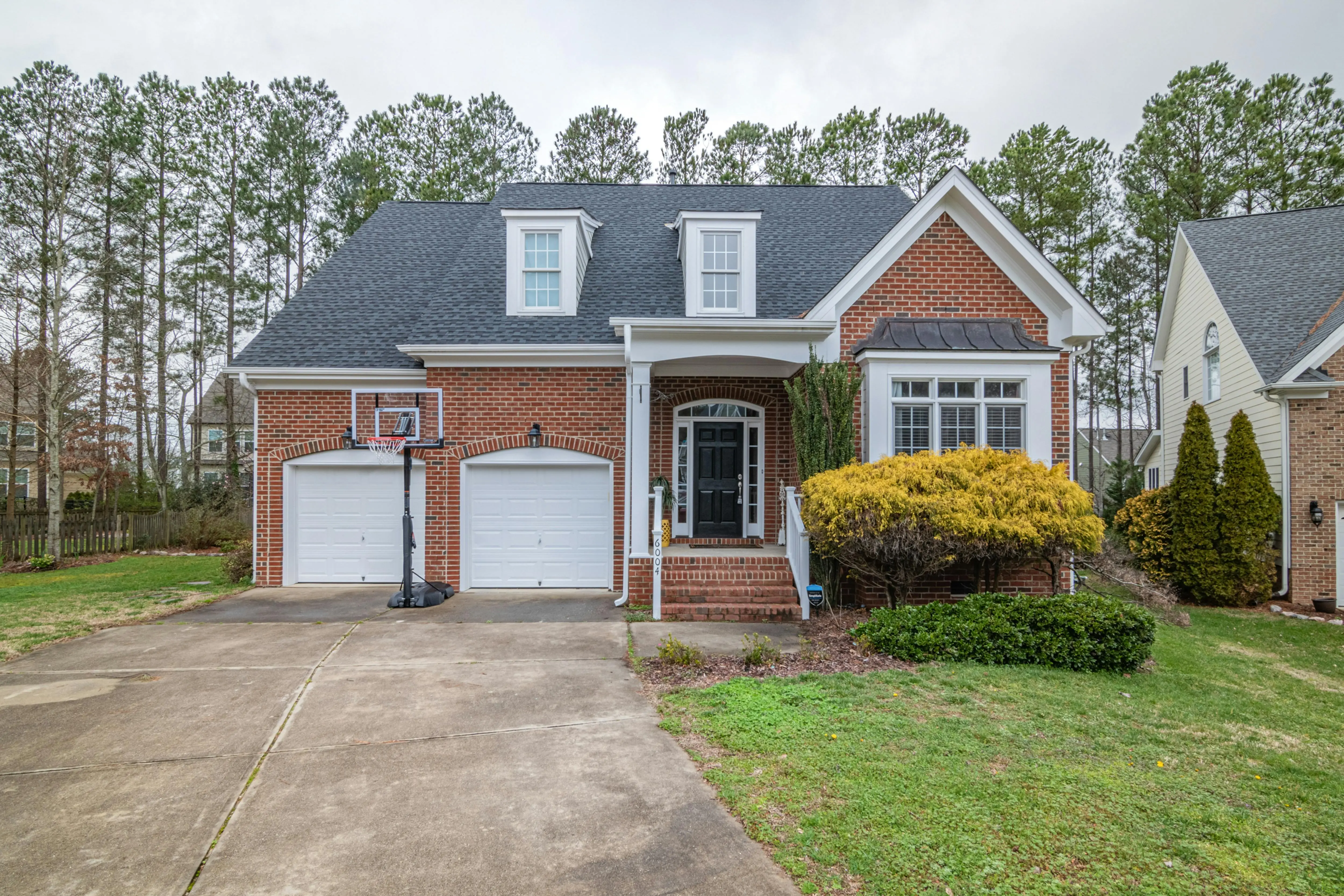
Why Driveway Community Design Standards Matter
Pull into almost any thriving neighborhood and you’ll notice something subtle: driveways look like they belong together. Colors echo the same earth tones, apron slopes line up, and every home feels intentionally placed. Those visual cues aren’t luck—they’re the result of Driveway Community Design Standards, a shared playbook that keeps streets attractive, functional, and conflict-free.
Whether you’re replacing a cracked slab, widening for a third car, or building new construction, understanding these standards protects your investment and keeps neighbors happy. Below, Drivewayz USA breaks down what the guidelines cover, where to find them, and how to stay compliant without blowing the budget.
The Basics: What “Community Design Standards” Actually Include
Standards go far past “make it pretty.” They balance safety, drainage, snow removal, emergency access, and property values. Most documents group rules into four categories:
1. Dimensional Requirements
- Maximum width at the property line and at the sidewalk
- Minimum and maximum radius for flare/curb cuts
- Maximum slope (usually 12–15 %) for ADA compliance
- Setback from side property line, utility poles, fire hydrants, and streetlights
2. Material & Color Palette
- Approved paving surfaces: poured concrete, asphalt, permeable pavers, resin-bound gravel, or stamped concrete with specified texture
- Color swatches that coordinate with predominant roof and trim tones
- Bans on high-gloss sealers, glitter, or reflective aggregates that create glare
3. Drainage & Environmental Controls
- Minimum permeability ratio for front-yard coverage
- Required swales or trench drains to keep runoff out of neighbors’ yards
- Prohibition of direct storm-sewer tie-ins without a sediment trap
4. Aesthetic Details
- Decorative bands, borders, or inlays limited to a certain width or percentage of total area
- Basket-weave or herringbone patterns pre-approved by the architectural committee
- Lighting restricted to downward-facing fixtures under 300 lumens
Where to Find Your Specific Standards
Start With the HOA or POA Documents
Most master-planned communities file a Declaration of Covenants, Conditions & Restrictions (CC&Rs) at the county courthouse. Look for an exhibit titled “Design Guidelines,” “Residential Improvement Standards,” or “Driveway & Hardscape Matrix.” Pay attention to revision dates; newer phases often tighten rules on permeability or color.
Municipal Code & Public Works Department
Even when an HOA is silent, the city usually isn’t. Search the municipal code for “driveway apron,” “residential approach,” or “vehicle surface.” Typical clauses govern width (often 10–30 ft), distance from intersections (usually 5 ft from side-street curb radius), and apron thickness (6 in. concrete with #4 rebar on 18-in. centers is common).
Historic or Conservation Districts
If you live in a designated historic area, you may need approval from a preservation board. They may require historically accurate materials like brick or cobble, even if the HOA allows concrete. Always obtain the certificate of appropriateness before demolition begins.
Planning a Compliant Driveway: Step-by-Step
Step 1: Measure Twice, Apply Once
Mark proposed edges with spray paint and stakes. Photograph the layout from the street, the side yard, and the neighbor’s perspective. Include existing trees, utility boxes, and irrigation heads. These visuals speed up HOA review and prevent misunderstandings.
Step 2: Submit the Pre-App
Many architectural committees offer a free 15-minute pre-application review. Bring a site plan, material sample board, and cross-section drawing. Ask specifically about:
- Any upcoming code changes
- Seasonal moratoriums on heavy trucks (spring frost laws)
- Preferred vendors (some HOAs maintain a “short list”)
Step 3: Engineer the Drainage
Nothing torpedos approval faster than sending runoff toward a neighbor’s basement. A simple swale (1 in. drop per 10 ft) or a channel drain at the garage door usually satisfies the civil review. If your lot slopes toward the street, add a berm or valley gutter per city detail.
Step 4: Choose Materials That Pass the Board and the Salt Truck
In freeze-thaw climates, de-icing salt chews up cheap concrete. Ask for 4,000 psi air-entrained mix and a penetrating silane/siloxane sealer. For asphalt, specify PG 64-22 binder and a 9.5-mm surface course—fine enough for curb appeal, tough enough for snowplows.
Step 5: Schedule the Final Inspection
Invite both the HOA inspector and the city engineer before you backfill apron edges. They’ll check joint spacing (usually 10 ft max), rebar placement, and surface tolerance (¼ in. gap under a 10-ft straightedge). Passing on the first visit avoids costly removal and re-pour.
Common Conflicts (and How to Avoid Them)
Width Creep
Homeowners often pour an extra 2 ft “while the truck is here.” Neighbors see a parking lot, property values dip, and the HOA issues a violation. Fix: Stake the approved width and snap a chalk line. Ask the contractor to sign off on dimensions before the concrete sets.
Color Drift
Even “standard gray” varies between suppliers. A single yard switch can leave your driveway two shades lighter than the rest of the street. Fix: Order the entire pour from one batch plant and add 15 % buffer for future repairs. Note the color code on your as-built plan.
Drainage Disputes
Water doesn’t care about property lines. A new, impervious driveway can push sheet flow into adjoining yards, leading to soggy lawns and legal letters. Fix: Install a French drain along the property line or create a shallow bio-swale seeded with native sedges. Document with photos post-storm.
Shared Access “Spillage”
On flag lots or shared driveways, one owner’s widen-ing can block turnaround space for the other. Fix: Write a simple maintenance & use agreement, record it at the county clerk’s office, and include a site plan showing joint responsibilities for sealing and snow removal.
Budget Reality Check: What Compliance Costs
HOA Application Fees
Expect $50–$250 for a residential driveway. Re-submittals are sometimes free, but major plan changes can trigger another full fee.
City Permits
Most municipalities charge $75–$150 for the apron permit plus $2–$4 per linear foot of curb cut. Historic districts double those fees.
Engineered Drainage Add-Ons
- Channel drain: $28–$35 per linear ft installed
- French drain with sock and #57 stone: $20–$25 per ft
- Permeable paver system: 15–25 % premium over standard concrete
Material Upgrades That Pay for Themsh3>
Stamped or colored concrete adds $3–$5 per sq ft but can raise appraised value by roughly $8 per sq ft in high-end neighborhoods. Permeable pavers qualify for storm-water credits (up to $1,000 in some cities) and lower site insurance rates.
ROI & Curb Appeal: Playing the Long Game
Realtors consistently rank driveways in the top five “first-impression” features. A cracked, oil-stained slab can shave 5–10 % off an offer price, while a well-proportioned, code-compliant drive recoups 75–100 % of install cost at resale. More importantly, conformity protects the neighborhood brand, keeping comps high and days-on-market low.
Frequently Asked Questions
Silence in the CC&Rs does not equal permission. Check the city code first—most set a maximum width at the right-of-way (often 30 ft). Then ask the HOA for written confirmation. Verbal “should be fine” statements won’t protect you from a violation notice later.
Yes. Electric or hydronic snow-melt systems require an electrical permit and sometimes a plumbing permit. The city may also require an energy-efficiency disclosure. Notify your HOA because the utility trench can affect sidewalk replacement schedules.
Standard setback is 1 ft from the side lot line, but some communities allow up to the line if you install a 6-in. concrete edge restraint. Always leave a 2-ft maintenance strip (unpaved) if the neighbor has an easement for utilities.
The HOA can levy daily fines ($25–$100), place a lien on your property, and force removal at your expense. Cities can red-tag the project and withhold occupancy permits for other renovations. In short, the cure costs far more than compliance.