
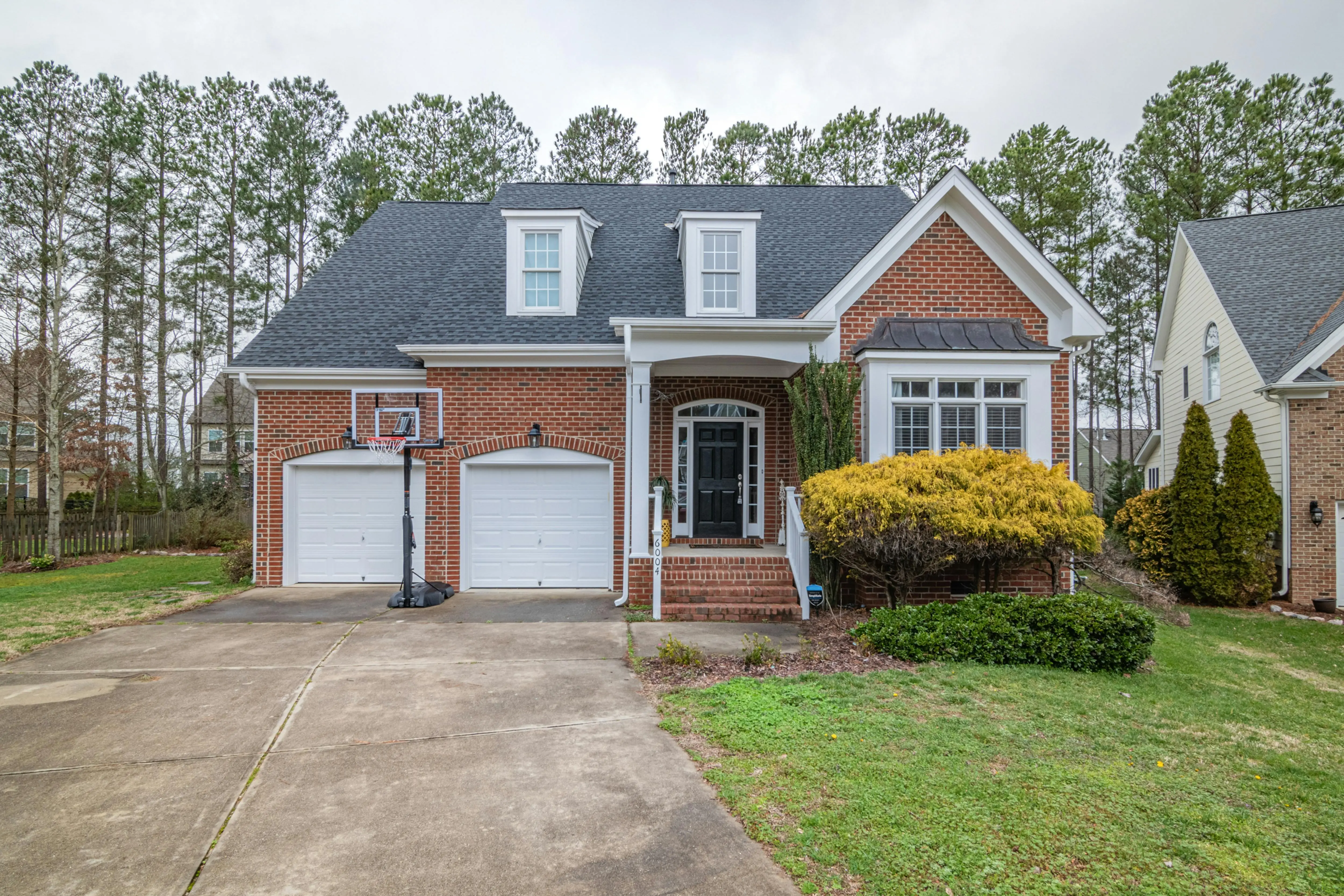
What Is Driveway Cold In-Place Recycling?
Cold In-Place Recycling (CIR) is a green, budget-smart way to rebuild an aging asphalt driveway without hauling the old pavement away or bringing in all-new materials. A single train of machinery grinds the top 3–5 inches of your existing asphalt, mixes it on the spot with a small amount of eco-friendly binder and water, then lays the recycled mix right back down—all in one pass.
For homeowners, the payoff is simple: you get a “like-new” driving surface for 30–50% less than a full tear-out and repave, and the project is usually finished in a day.
Step-by-Step: How Driveway Cold In-Place Recycling Works
1. Pre-Construction Assessment
A qualified CIR contractor will:
- Core-drill small samples to measure asphalt thickness and base stability.
- Check for drainage issues or utility lines that sit shallow.
- Verify that at least 70% of the existing pavement is asphalt (concrete sections have to be removed first).
2. Pulverizing & Grading
A self-propelled reclaimer grinds the asphalt and a pre-set portion of the underlying base. The onboard computer controls depth, slope, and cross-fall so water still drains correctly toward the street or swale.
3. Binding & Mixing
As the reclaimer mills the material, it injects:
- 1.5–2.5% foamed asphalt or engineered emulsion
- Just enough water to reach optimum compaction moisture
The result is a damp, dark mixture that looks like fresh asphalt but contains 90% recycled content.
4. Shaping & Compaction
A motor grader trims the recycled mat to the desired grade, then a vibratory roller compacts it in three passes. A smooth-drum roller finishes the surface to residential driveway standards.
5. Curing & Surface Sealing
CIR bases cure in 24–72 hrs (depending on humidity). After curing, most contractors apply a light fog seal or ½-inch “wear course” of new asphalt for a jet-black finish. Some homeowners simply top with a quality driveway sealer and call it done.
Top 5 Benefits for Budget-Minded Homeowners
1. 30–50% Cost Savings
No trucking, quarry purchases, or disposal fees equals instant savings—especially on long rural driveways where haul distances are high.
2. One-Day Turnaround
A 1,000-ft driveway (12 ft wide) is usually recycled, graded, and compacted in 6–8 hours. You can walk on it the same evening and park on it within 48 hours.
3. Eco-Friendly Construction
CIR keeps thousands of pounds of asphalt out of landfills and cuts greenhouse-gas emissions by up to 60% versus conventional reconstruction.
4. Stronger, Flexible Base
The foamed asphalt binder creates a semi-flexible layer that resists freeze-thaw cracking better than plain gravel or a thin overlay.
5. Future Maintenance Is Easier
Because the recycled layer bonds well to new surface treatments, you’ll seal cracks less often and postpone full resurfacing by 10–15 years.
Typical Driveway Cold In-Place Recycling Costs
Price Per Square Foot
Expect $2.50–$4.00/sq ft for the CIR process alone, and another $1.00–$1.75/sq ft if you add a thin wearing course. By comparison, full-depth removal and new asphalt run $6–$9/sq ft in most regions.
Factors That Move the Number
- Project size: Minimum mobilization fees apply; driveways under 800 sq ft cost more per foot.
- Base repairs: Soft or wet spots may need new stone before recycling.
- Access: Narrow gates or low wires slow the train and add labor hours.
- Geography: Remote locations pay higher trucking fees for support crews and rollers.
Payment & Financing Tips
Some contractors offer 0% same-as-cash for 6–12 months on projects over $5k. Ask if your quote can be split: 50% on completion of CIR, 50% after the final wearing course is placed.
DIY vs. Hiring a Certified CIR Crew
What the Homeowner Can Do
- Mark sprinkler heads and shallow electric dog-fence lines.
- Trim back overhanging branches to 14 ft height for equipment.
- Arrange alternate parking for family and guests.
What Definitely Requires a Pro
- Calibrating the reclaimer’s binder injection rate (off by 0.2% and the mix fails).
- Operating 30-ton rollers on a 3:1 slope—safety and compaction specs matter.
- Testing mix density and moisture in a certified lab to validate the 5-year warranty.
Red Flags When Shopping for a Contractor
- No core samples or written mix design.
- Quote is 30% below the others (they may skip the binder entirely).
- Asks for 100% payment up front.
- Can’t provide local references older than 2 winters.
How to Prepare Your Driveway for CIR
1 Week Before
- Repair leaking irrigation lines—the base must be moist but not saturated.
- Clear vehicles, dumpsters, and basketball hoops.
- Notify neighbors if the shared access road will be blocked temporarily.
Day Of
- Turn off sprinkler timers to avoid spraying the recycling train.
- Keep kids and pets inside; the reclaimer throws dust and gravel.
- Have your gate unlocked and power outlets available for lighting systems if work runs past dusk.
Post-Installation Maintenance Schedule
First 30 Days
Avoid sharp tire turning and heavy truck delivery for 30 days while the recycled layer reaches full cohesion.
Year 1–2
Apply a high-quality coal-tar or asphalt-emulsion sealer to the wearing course. Fill any hairline cracks with hot rubberized crack-seal before fall freeze.
Year 3+
Sealcoat every 2–3 years. If you start seeing raveling (loose stones), a light ¾-inch overlay or second chip-seal will add another decade of life—at half the cost of starting over.
How Long Does a Recycled Driveway Last?
Performance Expectations
When the CIR base is topped with a 1-inch wearing course, residential driveways routinely last 15–20 years. Rural lanes that see only passenger vehicles can push 25 years if drainage is maintained.
Signs It’s Time for Another Round
- Alligator cracking that covers more than 25% of the surface.
- Rutting deeper than ½ inch—indicates base saturation.
- Edge break-off wider than 6 inches, which lets water seep in.
Good news: the second recycling cycle uses the same material, so the savings repeat.
Frequently Asked Questions
Yes—if the wearing course is 1–1.5 inches thick. Tell your contractor about heavy loads ahead of time; they may increase the binder content or add a geotextile grid for extra strength.
Air and surface temps need to be at least 40°F and rising. Early fall is ideal—summer’s heat is gone but the ground is still warm enough for proper compaction.
The CIR base itself is dark gray. Most homeowners add a thin surface course or sealcoat, so the finished look is identical to a brand-new blacktop driveway.
Minimal. Cold recycling uses foamed asphalt at 200°F, not hot mix at 300°F. Any light odor dissipates within a few hours, and there’s no oily tracking once the surface is compacted.