
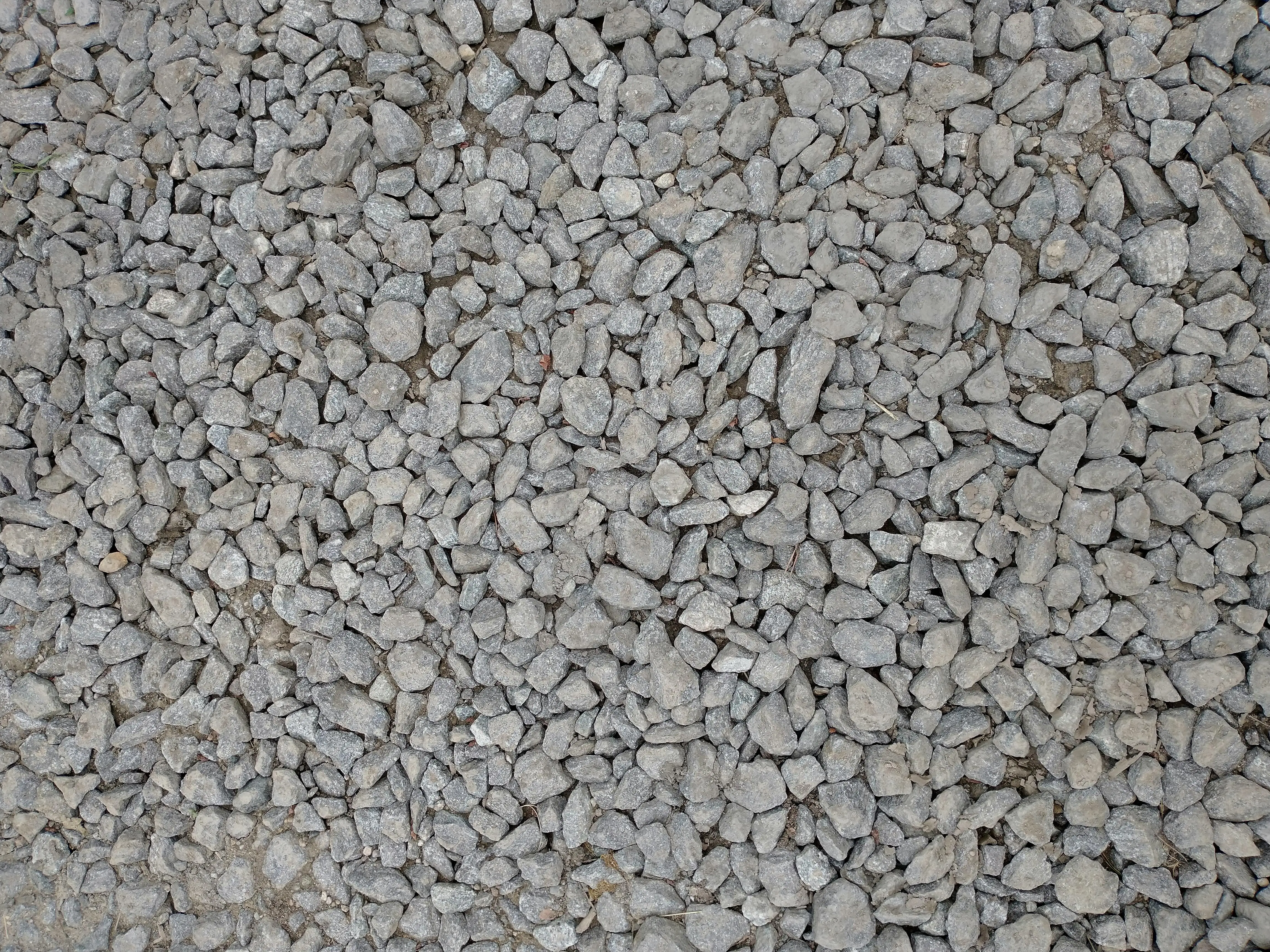
Your driveway is the first thing you see every morning and the last surface you cross at night. Yet most homeowners only think about it when cracks spider across the surface or a pothole swallows a tire. Climate change is rewriting the rules for every piece of pavement in the country—freeze-thaw cycles are wilder, cloudbursts are heavier, and UV indexes are higher. A smart Driveway Climate Adaptation Strategy future-proofs your investment, lowers long-term repair bills, and keeps your curb appeal intact no matter what Mother Nature throws at it.
Why Climate Change Is Destroying Driveways Faster Than Ever
Asphalt and concrete look solid, but they’re actually porous membranes that breathe, flex, and absorb water. When weather patterns shift, those tiny pores become fault lines. Here’s what’s happening in most regions:
- More freeze-thaw cycles: Warmer winters mean daytime thaws and nighttime freezes, turning trapped moisture into expanding ice wedges.
- Intense rainfall events: Downpours overwhelm drainage, eroding base layers and creating sinkholes underneath the slab.
- Longer dry spells: Extended droughts shrink clay soils, leaving voids that cause slabs to rock and crack.
- Higher UV indexes: Ultraviolet rays oxidize asphalt binders, turning flexible blacktop brittle and gray in as little as five years.
The result? Driveways that used to last 25 years now need major repairs in 12–15. Adaptation is cheaper than replacement—if you plan ahead.
Step 1: Assess Your Micro-Climate Risk Score
Regional climate maps are useful, but your lot has its own “micro-climate.” Spend 20 minutes gathering data and you’ll know exactly which threats to tackle first.
Check the Last Five Years of Local Weather Data
- Go to weather.gov and enter your ZIP code.
- Download the “Monthly Climate Graph” and note the number of days with rapid temperature swings (more than 25 °F in 24 hours).
- Record the single-heaviest rainfall event each year. If any storm exceeded 1.5 inches in 24 hours, drainage should be your top priority.
Inspect Your Soil Type
Clay-heavy soils expand and contract the most; sandy soils drain fast but can wash out. Grab a handful of damp soil from a 12-inch-deep hole and squeeze:
- Ribbon test: If you can roll it into a 2-inch ribbon, you’ve got clay—expect 1–2 inches of seasonal movement.
- Drain test: Fill the hole with water; if it’s still ponding after eight hours, plan extra drainage.
Map Sun vs. Shade
Asphalt in full sun can hit 140 °F on a 90 °F day, accelerating oxidation. Note hours of direct exposure; shaded sections last up to 40 % longer.
Step 2: Pick Climate-Adaptive Materials
Once you know your risk profile, match the material to the threat. Below are the four most common driveway types, ranked by climate resilience.
Permeable Pavers: Best for Heavy Rain Regions
- Joint gaps let water drain through, eliminating puddles and freeze-thaw pressure.
- Polymeric sand plus geotextile fabric prevents weed growth and base erosion.
- Individual pavers can be lifted and re-graded if soil settles—no need to redo the entire driveway.
- Cost: $12–$20 per sq ft installed, but 30–50-year lifespan offsets upfront price.
Fiber-Reinforced Concrete: Ideal for Freeze-Thaw Zones
- Micro-synthetic fibers create a 3-D mesh that stops hairline cracks from widening.
- Air-entrained mix adds tiny bubbles that give freezing water room to expand.
- Ask for 4,000 psi minimum and 6 % air content; insist on a 10-year warranty.
- Cost: $8–$12 per sq ft, mid-range between asphalt and pavers.
High-Performance Asphalt with Sealcoat Cycle
- Polymer-modified binders raise softening point to 180 °F, reducing summer rutting.
- Apply breathable, UV-blocking sealcoat every 3 years instead of the typical 5.
- Use reflective, light-gray slurry seal to cut surface temp by 15 °F.
- Cost: $3–$6 per sq ft initial, plus $0.75 per sq ft every 3 years for maintenance.
Stabilized Gravel with Geocell: Best for Drought-Prone Areas
- HDPE honeycomb grid locks gravel in place, preventing washouts during sudden storms.
- Allows water infiltration, replenishing local aquifers—important where water restrictions apply.
- No surface cracking; just rake and top off gravel every few years.
- Cost: $4–$7 per sq ft DIY-friendly; contractors add $2 per sq ft.
Step 3: Engineer Drainage Before You Pave
Water is the universal solvent; manage it and you’ve solved 80 % of climate-related pavement failures.
Slope Guidelines
- Minimum 1 % (1/8 inch per foot) away from garage or home foundation.
- Maximum 5 % to avoid car scraping; steeper drives need staggered slabs or ribbon curbs.
French Drain Along the Heaviest Edge
- Trench 12 inches wide, 18 inches deep along uphill side.
- Lay 4-inch perforated pipe at 1 % slope to daylight or storm drain.
- Wrap in #57 stone and geotextile sock to prevent silt clogging.
- Top with decorative gravel or turf strip for stealth function.
Permeable Border Strip
Leave a 6-inch-wide gravel or paver strip at each side. Captures sheet flow and reduces edge cracking by 30 %.
Step 4: Seasonal Maintenance Checklist
Even the best-built driveway needs TLC. Sync tasks with the seasons so they become habit, not hassle.
Early Spring: Post-Winter Audit
- Pressure-wash to remove de-icing salts that eat binders.
- Fill cracks wider than ¼ inch with polyurethane sealant before weeds take root.
- Check drainage outlets for ice damage; replace broken pop-up emitters.
Summer: UV Defense
- Apply UV-reflective sealcoat if surface temp exceeds 120 °F on sunny days (use infrared thermometer).
- Trim overhanging branches to reduce thermal shock from alternating sun and shade.
Fall: Water Prep
- Clear leaves; tannic acid stains pavers and clogs permeable joints.
- Blow out French drain lines with a shop-vac before first freeze.
Winter: Smart Snow & Ice Control
- Use calcium magnesium acetate (CMA) instead of rock salt; it works below 0 °F and won’t spall concrete.
- Set snowblower shoes ½ inch high to avoid scraping the surface.
Step 5: Cool the Surface, Cool the Wallet
Urban heat islands raise local temps 2–7 °F, baking driveways and AC bills alike. A cooler driveway lasts longer and cuts energy costs.
Reflective Coatings
Aluminum-infused asphalt emulsions drop surface temp by 20 °F. One coat lasts 5 years and costs about $1 per sq ft DIY.
Living Shade
Plant deciduous trees 10 feet from the edge; leaves block summer sun, winter drop allows warming. Choose deep-root species (oak, hackberry) to avoid surface heave.
Permeable Surfaces + Evapotranspiration
Permeable pavers with grass joints release moisture back into the air, cooling the adjacent zone by up to 5 °F.
Budget Reality: What Driveway Climate Adaptation Strategy Costs
Prices vary by region, but national averages give you a ballpark. Factor in a 15 % premium for complex shapes or difficult access.
Upfront vs. Life-Cycle Cost
| Material | Install Cost/sq ft | Annual Maint. | Expected Life | Cost per year* |
|---|---|---|---|---|
| Standard Asphalt | $4 | $0.20 | 15 yr | $0.47 |
| Polymer Asphalt + Seal | $6 | $0.25 | 25 yr | $0.49 |
| Fiber Concrete | $10 | $0.10 | 35 yr | $0.39 |
| Permeable Pavers | $16 | $0.15 | 40 yr | $0.55 |
*Includes inflation-adjusted replacement cost.
Financing & Incentives
- Storm-water utility rebates: Many cities refund up to $2,000 for installing permeable surfaces.
- Home-energy loans: Some credit unions offer 2–4 % APR loans for heat-reducing upgrades.
- Insurance discounts: Certain carriers cut premiums 5 % for documented flood-mitigation features like French drains.
Permits & Regulations: Stay Ahead of the Code Curve
Climate adaptation is on every city planner’s radar. Expect tighter rules soon; build above code now and you won’t have to retrofit later.
Check Impervious-Surface Ratios
Many municipalities cap impervious cover at 40 % of total lot. Permeable pavers count as pervious, giving you more buildable space for patios or sheds.
Right-of-Way Drainage
If your pipe outlets to the street, you may need a drainage permit. Submit a simple site plan showing slope and flow path—usually approved over the counter.
HOA Aesthetic Rules
Some HOAs ban “white” concrete or gravel. Present color samples and a one-page maintenance plan; boards rarely reject long-term cost savings.
ROI & Curb Appeal: Will Buyers Care?
Realtor surveys show climate-resilient upgrades recoup 70–100 % at resale, higher in flood-prone markets. Highlight these features in your listing:
- “Permeable driveway reduces flood risk” (insurance savings).
- “Low-heat surface lowers attic temps 3 °F” (energy savings).
- “Maintenance-free for 10 years” (lifestyle savings).
Plus, a crisp, crack-free driveway photographs better—boosting online click-through rates by up to 30 %.
Frequently Asked Questions
Polymer-modified asphalt: 24 hours. Fiber-reinforced concrete: 7 days for cars, 28 days for heavy trucks. Permeable pavers: immediately after final compaction because they’re interlocked, not glued.
Modern nano-pigments reflect infrared light (heat) while absorbing visible light, so the surface looks light gray, not white. Glare is comparable to wet concrete—noticeable but not hazardous.
Drainage can usually be retrofitted along edges using a trencher that cuts a 4-inch-wide slot. Only the first 12–18 inches of soil are removed, so the main driveway stays intact. Expect $8–$12 per linear foot.
Annual vacuum sweeping keeps joints clear. Avoid sanding for ice; use CMA or chipped limestone for traction—it dissolves in spring rains and washes through the gaps.