
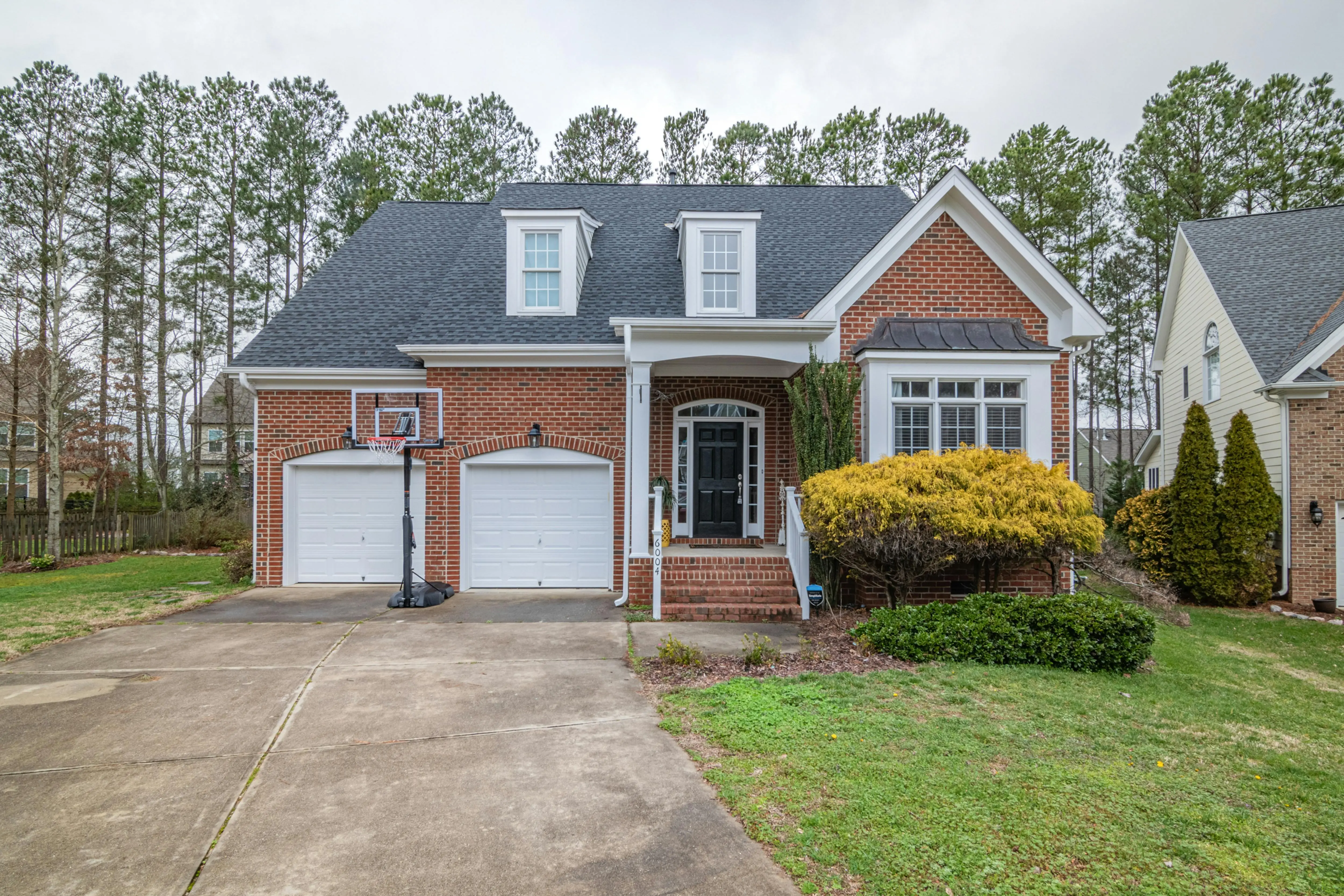
What “Driveway Chemical Resistance” Really Means for Your Home
A pretty driveway can turn into a patchwork of stains and pits in a single winter if it isn’t built to fight the chemicals that routinely land on it. Driveway chemical resistance is the surface’s ability to shrug off oil drips, gasoline spills, and the magnesium-chloride de-icers your town sprays before a storm.
When resistance is low, you’ll see:
- Dark oil shadows that no soap will budge
- Surface pitting that collects water and cracks
- White, chalky residue from salt marring the color
- Expensive repairs long before the driveway reaches middle age
The good news? You can choose materials, sealers, and maintenance habits that make your driveway almost bullet-proof. Below, we break down how each common chemical attacks, what the damage looks like, and the simple steps that keep your investment safe.
Oil Stains: The Slow-Motion Driveway Killer
How Motor Oil Breaks Down Sealer and Concrete
Engine oil is a blend of petroleum distillates and detergents. On asphalt, it dissolves the very binder that holds the rock together. On concrete, it creeps into microscopic pores, expands when it heats up, and breaks the crystal lattice from the inside.
Spotting Early Oil Damage
- Fresh: Rainbow sheen when the surface is wet
- Day 2–7: Dark matte spot that stays dry-looking after rain
- Month 1+: Soft, crumbly feel when you drag a key across it
Quick Home Remedy That Actually Works
- Blot, don’t rub—paper towels lift 70 % of the oil if you act fast.
- Cover the spot with cheap clay-based kitty litter; grind it in with your shoe.
- Let it sit 6–8 h, sweep up, then scrub with hot water and trisodium-phosphate (TSP) substitute.
- Rinse and apply a spray-on micro-emulsion sealer to lock out the remainder.
Tip: Keep a “spill kit” (litter, gloves, TSP) on a garage shelf—speed is the #1 factor in permanent oil removal.
Gasoline Spills: Faster, Hotter, More Aggressive
Why Gasoline Eats Asphalt in Record Time
Gasoline contains light-end solvents such as toluene and xylene—basically paint thinner. It flash-evaporates, but not before liquefying the asphalt cement that glues the aggregate. A 30-second spill from a tipped mower can create a pothole weeks later.
Signs You Have Gas Damage
- Yellow-brown “halo” rings
- Surface tacky on a hot day
- Raveling—loose stones that keep appearing
Immediate Action Plan
- Flood the area with water to dilute the solvent.
- Spread an absorbent pad (oil-dry sheets work best).
- After 15 min, sweep up and coat with a solvent-resistant epoxy patch if the surface feels soft.
De-Icers: The Winter Chemical Assault
Rock Salt vs. Magnesium Chloride vs. Calcium Chloride
| Product | Lowest Effective Temp | Damage Speed on Concrete | Typical Cost per 50 lb |
|---|---|---|---|
| Sodium Chloride (rock salt) | 20 °F | Moderate | $6–$8 |
| Magnesium Chloride | −13 °F | High | $12–$15 |
| Calcium Chloride | −25 °F | Very High | $18–$22 |
Freeze-Thaw Spalling Explained
Chloride salts attract water, lowering its freezing point. Water pools in pores, refreezes, and exerts 30,000 psi outward pressure—pop goes the surface. The result: dime-sized chips that grow into saucers.
Winter-Proofing Checklist
- Seal concrete with a high-solids silane-siloxane sealer every 3 years.
- Use sand for traction instead of salt the first 48 h after placement.
- If you must de-ice, choose calcium-magnesium acetate (CMA)—it’s 70 % less corrosive.
- Shovel early; removing slush removes 80 % of the chemical before it refreezes.
Material Showdown: Who Wins on Driveway Chemical Resistance?
Concrete
Pros: Easily sealed, excellent against oil if topical epoxy is used.
Cons: Vulnerable to chloride spalling without sealer.
Asphalt
Pros: Flexible, hides minor stains.
Cons: Solvent city—oil and gas dissolve it. Needs fog-seal every 2–3 years.
Pavers (Clay or Concrete)
Pros: Individual units can be flipped or replaced.
Cons: Polymeric sand joints can leach and stain; seal the surface every 4 years.
Resin-Bound Gravel
Pros: UV-stable resin is impervious to oil.
Cons: Higher upfront cost; limited color choice in rural areas.
Choosing a Sealer That Actually Resists Chemicals
Penetrating Sealers (Silane, Siloxane, Siliconate)
Best for freeze-thaw and chloride protection. Won’t change the look. Lifespan: 5–8 years.
Film-Forming Sealers (Acrylic, Epoxy, Polyurethane)
Create a glossy membrane that oil sits on top of. Ideal for workshop aprons or RV pads. Re-coat every 3–4 years or when gloss dulls 50 %.
DIY Application Tips
- Pressure-wash at 3,000 psi and patch cracks first—sealer magnifies flaws.
- Apply two thin flood coats (squeegee + roller) at temps between 50 °F and 85 °F.
- Stay off the driveway 24 h; keep heavy trucks off 72 h.
Low-Effort Maintenance Schedule for Maximum Chemical Resistance
- Monthly: Quick rinse with a hose to remove drip build-up.
- Spring: Inspect for new stains; spot-seal if needed.
- Fall: Apply a fresh coat of penetrating sealer before the first freeze.
- After any spill: Kitty litter & TSP within 24 h—no exceptions.
What It Costs to Upgrade or Repair Chemical Resistance
Prices below are U.S. national averages for a standard 600 sq ft two-car driveway.
- Professional epoxy topical sealer: $1.20–$1.80 per sq ft ($720–$1,080 total)
- Penetrating silane sealer DIY kit: $0.25 per sq ft ($150 total)
- Spot patching oil-damaged asphalt: $75–$150 per patch
- Full-depth replace of 50 sq ft section: $350–$500
Rule of thumb: Spending $200 on sealer every 3 years avoids a $2,000 replacement 15 years early.
Frequently Asked Questions
Dish soap helps lift surface grime but won’t break down petroleum. Follow with a commercial degreaser or TSP substitute for a lasting fix.
Wait until the concrete reaches 28-day strength. If winter is imminent, a cure-and-seal product can be applied after 7 days, then over-coated with a permanent sealer in spring.
Sealcoat every 2–3 years. The black oils oxidize and shrink, leaving tiny cracks where solvents sneak in. A coal-tar or asphalt-emulsion sealcoat buys cheap insurance.