
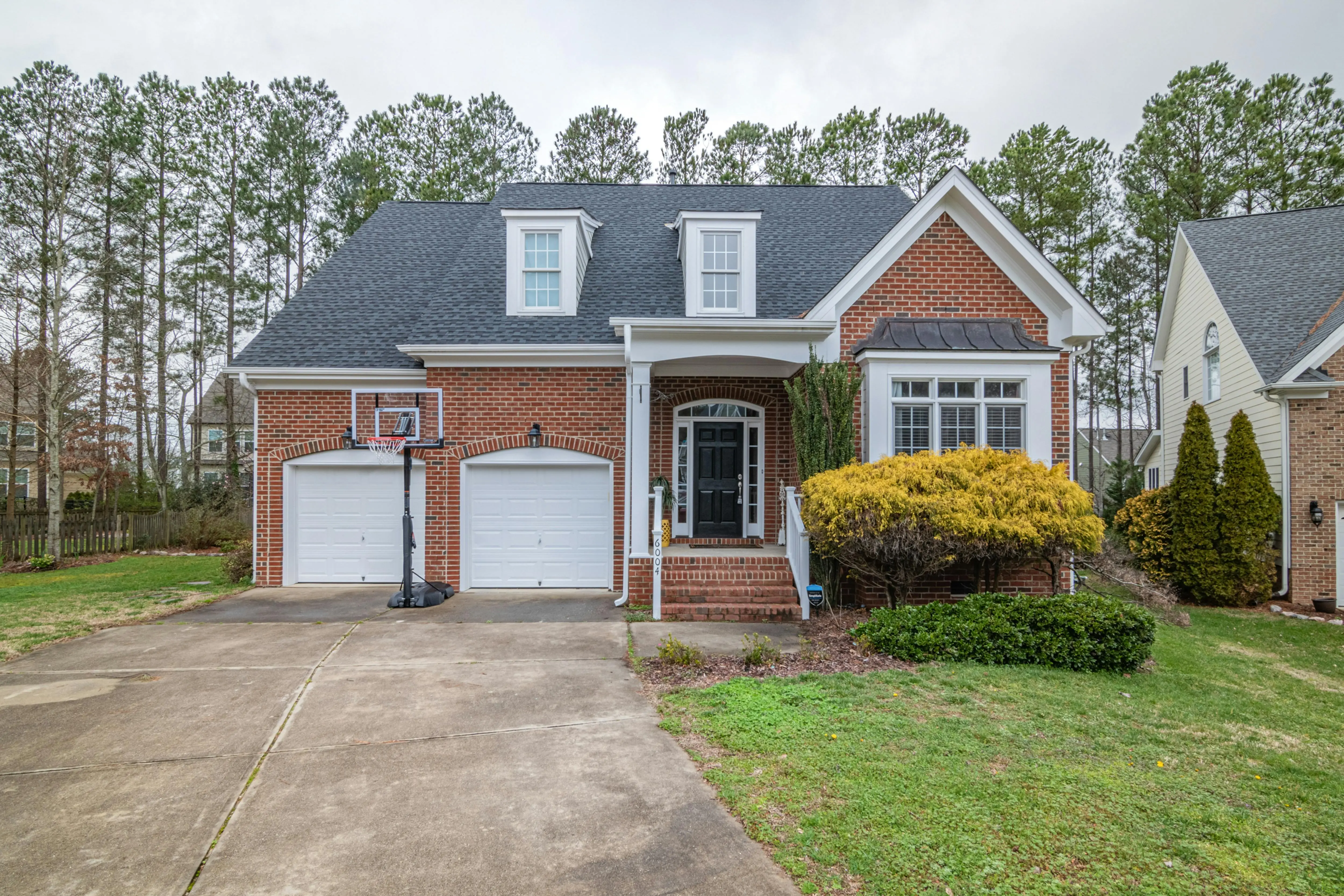
What “Driveway Capital Improvement Planning” Really Means
Your driveway is the first thing guests notice and the last surface you cross every day. When cracks widen, drainage reverses, or the apron sinks, you’re past simple patchwork and into capital improvement territory—projects that add long-term value, not just short-term polish.
Driveway Capital Improvement Planning is the deliberate, step-by-step process of mapping out those big-ticket upgrades (full replacement, widening, reinforcement, base stabilization, heated systems, etc.) so the work lasts decades and the price tag doesn’t ambush you.
Why Big Driveway Projects Deserve Their Own Budget Plan
Unlike interior remodels, driveway work is weather-dependent, soil-dependent, and heavy-machinery-dependent. A 20% cost overrun on a $12k pour can stall the project for months if you haven’t earmarked the buffer. Planning:
- Keeps you from financing on a high-interest credit card when the base layer turns out to be clay.
- Lets you lock in off-season contractor rates (up to 15% savings).
- Prevents “scope sprawl” (adding a retaining wall you didn’t engineer for).
- Maximizes ROI if you sell—buyers discount homes with obvious driveway failure by an average of $15k.
Build a 12-Month Improvement Timeline
Phase 1: Diagnose (January–March)
Winter is the best time to photograph problem areas. Snow-melt cycles reveal low spots; frost heaves expose weak joints. Compile a photo log and mark GPS pins with your phone so you can show the contractor exact locations.
Phase 2: Scope & Spec (April)
Invite three driveway specialists—not general pavers—for separate core-sample tests. Ask for:
- Soil bearing capacity (psi)
- Existing asphalt or concrete thickness
- Drainage slope percentage
Turn the averages into a one-page “owner spec” you’ll hand to every estimator. Uniform specs eliminate the apples-to-oranges bid problem.
Phase 3: Funding & Permits (May)
Submit the spec to your HOA and city engineering department simultaneously. Cities often require a curb-cut permit ($50–$300) and a storm-water plan sketch. While waiting, open a dedicated savings sub-account nicknamed “Driveway 2025” and set an automatic weekly transfer.
Phase 4: Contractor Short List (June)
Reputable crews book 6–10 weeks out. Vet for:
- $1M+ liability insurance and worker’s comp
- AASHTO-compliant base aggregate sourcing
- Recent jobs within 5 miles you can drive by
Phase 5: Execute (August–October)
Ideal temps for concrete are 50–75°F; asphalt needs 60–90°F. Schedule the pour or lay for late summer and you’ll avoid both spring groundwater issues and early-frost damage.
Phase 6: Cure & Protect (November–December)
Concrete reaches 90% strength in 28 days but needs a breathable seal before the first freeze. Budget $1.20/sq ft for a silane-siloxane sealer application.
Creating the Capital Budget Spreadsheet
Use four columns: Must-Have, Nice-to-Have, Contingency, Inflation Buffer. Start with the midpoint price from your three quotes, then add:
- 10% Contingency for hidden soft spots
- 6% Inflation Buffer if project start is 12+ months out
- Optional Line Items (heated coils, stamped border, LED step lights)
Example for a 1,200 sq ft concrete driveway:
| Line Item | Cost |
|---|---|
| 6-inch reinforced concrete @ $9.50/sq ft | $11,400 |
| Must-Have: Tear-out & haul-away | $2,100 |
| Nice-to-Have: Stamped brick border | $1,800 |
| Contingency 10% | $1,530 |
| Inflation Buffer 6% | $1,065 |
| Total Capital Budget | $17,895 |
Funding Options That Don’t Crush Cash Flow
Home-Equity Line of Credit (HELOC)
Still hovering near 7–8%. Interest may be tax-deductible if the improvement substantially adds value. Only withdraw what you need, when you need it—handy if you’re staging the project in two parts (e.g., main drive this year, parking pad next).
Contractor Financing 0% for 12 Months
Read the fine print: the rate rockets to 18% retroactive if the balance isn’t zero at month 12. Set autopay at 110% of the monthly minimum so you finish one month early.
Municipal PACE or Green Programs
Some cities let you add the balance to property tax over 10–20 years at 5–6%. Perfect for permeable paver retrofits that reduce storm-water runoff.
Hidden Cost Drivers (and How to Control Them)
Sub-Base Surprise
Clay or organic soil may require 8 inches of compacted crushed stone instead of 4. Negotiate a unit price up front ($28–$35 per ton delivered) instead of T&M (time & material).
Utility Crossings
Gas or fiber lines running diagonally across the drive can add $800 for hand-digging. Call 811 early; relocate small lines in grass where trenching is cheaper.
HOA Aesthetic Rules
Some associations mandate brick pavers at the apron. If you install standard concrete first, you’ll pay a $2,000 tear-out later. Get written design approval before the first yard of concrete arrives.
ROI: Which Upgrades Pay You Back at Resale?
- Basic asphalt overlay: 65% cost recouped (national average).
- Full concrete replacement with broom finish: 78% recouped.
- Heated driveway mats (electric, 2-car width): 54% recouped but shortens market time by 2–3 weeks in snow-belt regions.
- Permeable pavers + rain-garden catch basin: 70% recouped plus potential storm-water fee reduction ($10–$30/month).
Keep receipts and before/after photos; buyers’ inspectors will ask for proof of thickness and PSI.
Pre-Project Checklist You Can Print
- Photo-log existing damage after last freeze.
- Collect three core-sample reports.
- Create owner spec sheet (dimensions, PSI, slope).
- Verify HOA & city permit requirements.
- Open dedicated savings sub-account.
- Lock in contractor + 10% contingency clause.
- Order utility mark-outs 72 hrs pre-demo.
- Schedule final seal-coat or cure-and-seal.
Frequently Asked Questions
Begin setting money aside 12–18 months before the planned construction month. This lead time lets you capitalize on off-season discounts and prevents you from tapping high-interest credit if soil issues arise.
IRS and most appraisers classify it as a capital improvement because it extends the useful life and function of the property. Keep the invoice; you can add the cost to your home’s cost basis, reducing future capital-gains tax.
Yes, but separate structural phases (e.g., base layer one year, surface the next) risk seam failure. A smarter split is width: complete one lane or parking pad entirely, then extend the following year using the same crew so colors and compaction match.
Ignoring the inflation curve. Material quotes are usually good for 30 days. If your project is a year out, add at least 6% to today’s numbers or you’ll be forced to downsize the scope or re-finance mid-project.