
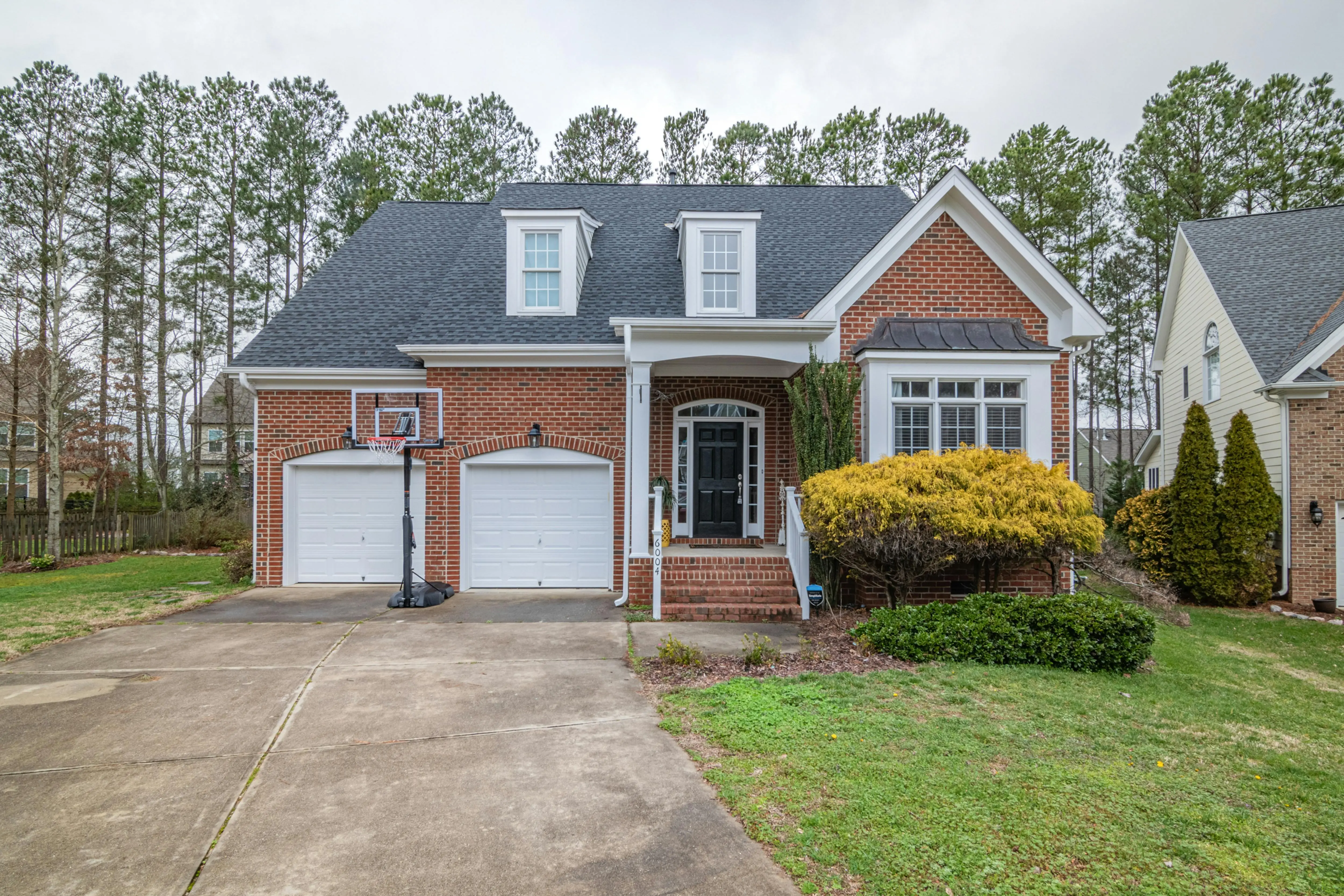
Why Driveway Borders Matter
A crisp border does for a driveway what a frame does for a painting: it defines the edges, adds visual weight, and keeps everything in place. Beyond looks, the right edging stops gravel from scattering, blocks grass from creeping in, and protects the pavement edge from chipping. In short, driveway border ideas are the fastest way to boost curb appeal and cut long-term maintenance.
Start With a Plan: 3 Questions to Ask First
1. What’s the Purpose?
List your top two goals. Is it decorative, structural, or both? A brick soldier course on asphalt is mostly decorative; a concrete curb on gravel is structural.
2. What’s Your Climate?
Freeze-thaw cycles heave thin plastic edging. Intense sun bleaches dark stone. Choose materials rated for your zone.
3. What’s the Style of the House?
Match the border to the house, not the other way around. A colonial brick home begs for brick or cobblestone edges; a modern farmhouse loves steel or limestone.
Driveway Border Ideas by Material
Concrete Curbing
Poured-in-place concrete curbs create a seamless, permanent edge. Stamps and integral color make it decorative; a simple gray slant curb keeps it budget-friendly.
- Pros: Won’t rot or rust, custom height, continuous line.
- Cons: Needs skilled crew, can crack if base is poor.
- Pro tip: Ask for fiber mesh and a 6-inch deep footer below frost line.
Brick or Paver Soldiers
Lay bricks on edge (called a “sailor course”) or stand them upright (“soldier course”) for a classic look.
- Excavate 8 inches along the perimeter.
- Add 4 inches of crushed concrete fines and compact.
- Set bricks on a 1-inch mortar bed or use polymeric sand for flex.
- Seal after 30 days to reduce efflorescence.
Natural Stone
From 4-inch granite cobbles to 12-inch limestone slabs, stone borders age beautifully.
Installation hack: Butt the stone tight against a fresh asphalt edge while it’s still warm; the asphalt molds to the stone and locks it in place.
Steel Edging
Corten or powder-coated steel gives a razor-sharp, modern line. Choose ¼-inch thick by 6-inch high strips for vehicle traffic.
Safety note: Deburr the top edge or spec a rolled lip so tires don’t get sliced.
Aluminum or Plastic Landscape Edging
Best for gravel driveways where budget trumps wow-factor. Anchor every 24 inches with 12-inch steel stakes.
Timber or Railroad Ties
Treated 6×6 timbers stacked two high deliver a rustic edge. Drill two ½-inch holes per 4-foot section and drive 24-inch rebar for stability.
Warning: Never use old creosote ties near vegetable gardens or water wells.
Decorative Aggregates
A 12-inch strip of contrasting river rock or white marble chips can act as a “living” border when paired with steel edging. Refresh the stone every 3–4 years.
Border Shapes & Design Tricks
Single vs. Double Course
One row of brick outlines; two rows create a planter-level edge that can hold mulch or low flowers.
Contour or Mow Strip
Pour a 12-inch-wide concrete strip flush with the soil so mower wheels run on concrete, eliminating string-trimming.
Saw-Cut Control Joint Border
On new concrete driveways, saw a 2-inch-deep groove 6 inches from each edge; fill with flexible sealant colored to match the house trim. It’s subtle, cheap, and prevents edge chipping.
Lighting Integration
Install low-voltage LED strip lights under a cantilevered stone edge for a hotel-style glow. Use 2700 K warm white to avoid a car-lot look.
Pairing Borders With Driveway Types
Asphalt Driveways
Best mates: brick soldiers, concrete curbs, or granite cobbles. Install the border before paving so the asphalt can be feathered against it, locking the edge.
Concrete Driveways
Stamped or stained bands saw-cut into the slab give a bordered look without extra materials. Alternatively, glue down 2-inch-thick pavers with polyurethane adhesive for a removable option.
Gravel Driveways
You need a border that also retains. Use 6-inch steel, timber, or concrete curbs set 2 inches above finished gravel height to keep stones from migrating onto the lawn.
Paver Driveways
Continue the same paver in a different pattern (herringbone border on a running-bond field) or switch to a contrasting color for the outer 12 inches.
Rough Cost Guide (Installed, 2024 Pricing)
- Plastic or aluminum edging: $2–$4 per linear foot
- Concrete slant curb (gray): $6–$9 per linear foot
- Stamped/colored concrete curb: $10–$15 per linear foot
- Brick soldier course: $12–$18 per linear foot
- Granite cobbles: $18–$25 per linear foot
- Steel edging (Corten): $20–$30 per linear foot
Prices include modest site prep; difficult access or demolition of old edging adds 15–25 %.
DIY vs. Pro Installation
When to DIY
Plastic, aluminum, or timber edging on a straight gravel drive is weekend-friendly. All you need is a shovel, stakes, and a hand tamper.
When to Call a Pro
Poured concrete curbs require a motorized extruder machine; brick or stone needs a plate compactor and wet saw for clean miters. Hire out anything that must support vehicle weight or requires mortar.
Quick Maintenance Calendar
- Spring: Re-level any sunken bricks, refill polymeric sand, and seal concrete curbs every 3 years.
- Summer: Trim grass edges weekly; hose off steel edging to remove chloride salts from winter de-icers.
- Fall: Blow leaves off gravel borders to prevent organic buildup.
- Winter: Use calcium magnesium acetate instead of rock salt on brick or stone to prevent spalling.
Frequently Asked Questions
Set the border at least 4 inches above finished gravel height and extend the base 2 inches below the gravel layer. For vehicle edges, 6 inches total height is ideal.
Yes. Saw-cut a 10-inch strip of asphalt along the edge, remove it, excavate 8 inches, compact base, then lay bricks on a mortar bed flush with the asphalt. Backfill gaps with polymeric sand.
4-inch aluminum landscape edging anchored with steel stakes runs about $2–$3 per linear foot DIY and lasts 10+ years if kept free of snow-plow strikes.
Corten steel is designed to rust to a stable patina that rarely runs. If you choose raw steel, coat the back with a bituminous paint where it touches concrete to prevent streaks.