
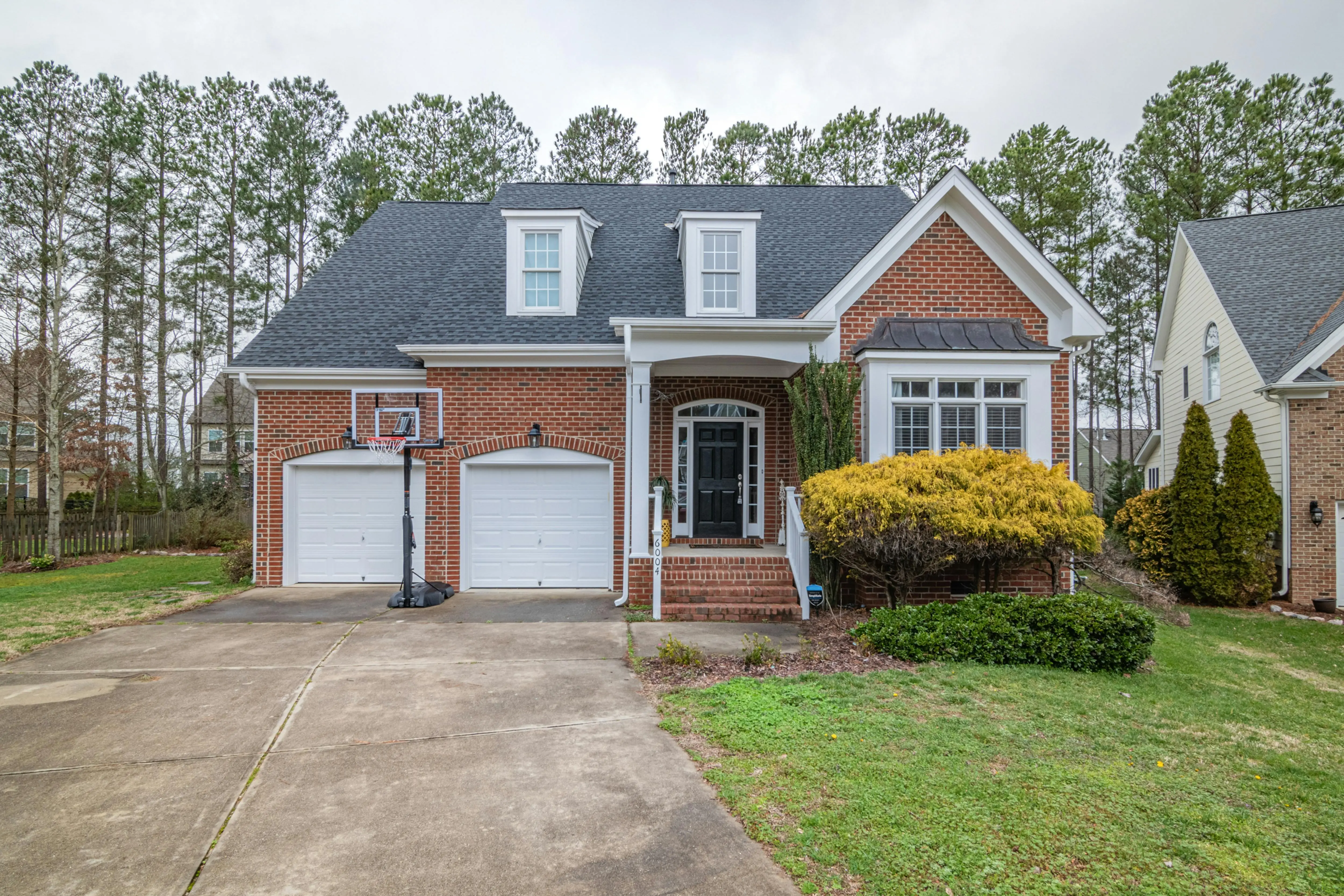
Driveway Before and After: Why Pavers Steal the Show
Nothing proves the power of a driveway upgrade faster than a jaw-dropping “Driveway Before and After” photo. Swapping cracked concrete or faded asphalt for interlocking pavers can raise curb appeal overnight, add thousands to home value, and cut long-term maintenance.
In this showcase, we’ll walk you through real transformations, design choices that make neighbors stop and stare, and the step-by-step process Drivewayz USA uses to flip a tired driveway into a front-yard masterpiece. You’ll leave with actionable tips, realistic cost expectations, and inspiration you can hand to a contractor tomorrow.
7 Tell-Tale Signs Your Driveway Is Begging for a Makeover
Before you scroll through the pretty “after” shots, confirm your driveway actually needs the love. If you spot three or more of these red flags, start collecting paver samples.
- Alligator cracks wider than ¼-inch
- Potholes that reappear every spring
- Drainage puddles that sit longer than 24 hours
- Edge spalling (chunks breaking off the sides)
- Faded surface that seal-coating can’t revive
- Heaving or sinking sections from freeze-thaw cycles
- You’re embarrassed to park out front when guests arrive
Why Pavers Outperform Concrete and Asphalt in the Long Run
Homeowners often ask, “Why not just repave with asphalt?” The answer lies in lifecycle value. Interlocking pavers deliver:
Flexibility Without Cracking
Each paver sits on a sand bed, allowing micro-movement during freeze-thaw cycles. That flexibility prevents the spider-web cracks you see in monolithic slabs.
Replace-One, Not-All Repairs
Oil drip or dropped paver? Pop out the stained unit, swap in a new one—no saws, no patch discoloration, no weekend-long project.
Instant Curb Appeal & ROI
According to the 2023 Remodeling Impact Report, manufactured-stone veneer (pavers fall under the same category) recovers 102% of project cost at resale. A brand-new asphalt driveway recovers 68%.
Driveway Before and After Design Ideas That Win Every Time
Herringbone in Charcoal & Limestone
Perfect for colonial-style homes. The V-shaped pattern locks pavers tight, ideal for sloped entries where tire grip matters.
Cobble-Look Border with Granite Accent
Add a 6-inch contrasting border to frame the drive; it hides future edge chips and makes the main field color pop.
Permeable Pavers for Eco-Conscious Yards
Joint spacers allow rainwater to percolate into a stone reservoir underneath, cutting runoff fees in many municipalities.
Pro tip: Snap a photo of your house façade, then use free apps like Unilock’s Uvision to overlay paver colors before you buy.
Real Driveway Before and After Transformations
Case Study #1: The Cracked 1980s Concrete Slab
Before: 900-sq-ft driveway in Dallas, TX, with 12 expansion joints cracked through the center. Drainage toward the garage caused mildew on the stucco.
After: Removed 8-in of concrete, regraded for 2% slope away from the home, installed permeable tan pavers in running-bond pattern. Added a 12-in charcoal border to match roof shingles.
Timeline: 3 days tear-out, 2 days base prep, 1 day paver install, ½ day poly-sand and sealer.
Homeowner quote: “Neighbors thought we painted the house—turns out it was just the new driveway framing it.”
Case Study #2: Gravel to Grandeur in Atlanta
Before: 600-ft country-lane gravel drive, constant ruts, muddy shoes every time it rained.
After: Compacted geotextile fabric plus 8-in of CA6 base, topped with 60-mm thick rustic cobble pavers. Installed LED hardscape lights along the edge for resort-style arrival.
Surprise win: Reduced dust inside the house by 70%—no more daily floor mopping.
Case Study #3: Short City Drive, Big Personality in Chicago
Before: 20-ft single-car asphalt pad, heaved 3 in at the sidewalk lip—snow-shovel hazard.
After: Expanded to 25-ft with tumbled concrete pavers in three-tone blend. Used soldier-course border to echo the front porch columns. Heated paver mats installed underneath—goodbye, shoveling.
Step-by-Step: How Drivewayz USA Creates a Show-Worthy “After”
We treat every driveway like it’s our own. Here’s the playbook you can vet any contractor against:
1. Site Evaluation & Utilities Mark-Out
Call 811, measure slope, photograph existing conditions. We note irrigation heads, low-voltage lighting, and roof drip lines.
2. Design & Color Approval
Digital rendering placed next to your house photo. You choose border width, laying pattern, and joint sand color before we order pallets.
3. Tear-Out & Base Excavation
Remove 8–10-in of soil or failed pavement. Install geotextile fabric to prevent future settling.
4. Compact Layered Base
Crushed stone in 4-in lifts, plate-compacted to 98% Proctor density. We water and test each layer—no shortcuts.
5. Edge Restraints & Bedding Sand
Concrete-plastic hybrid edge restraints spiked every 12 in. One-inch bedding sand screeded to ±3/8-in tolerance.
6. Paver Installation & Cutting
Start from the bottom of the slope, work uphill. Cut with wet saw for tight joints around gas light bases or curve radii.
7. Polymeric Sand & Plate Compaction
Sweep in joint sand, compact pavers again, top off joints, mist with water to activate polymer—locks everything like concrete.
8. Final Sealer & Walk-Through
Two-coat breathable sealer for color enhancement and stain resistance. We hand you a maintenance cheat-sheet and digital copy of the final “after” photo.
Driveway Before and After Budget Guide
Prices vary by region, stone source, and site prep complexity. Use these national averages for ballpark planning:
- Standard concrete pavers: $12–$16/sq ft installed
- Premium tumbled travertine: $18–$24/sq ft
- Permeable paver system: +$2–$3/sq ft for extra base stone
- Heated paver mats: $10–$12/sq ft (electrician hookup separate)
Budget-Saving Tips
- Keep the base width tight—no fancy borders save ~$1.50/sq ft.
- Choose locally manufactured pavers over imported stone.
- Schedule off-season (late winter) for 5–10% contractor discounts.
- Leave the old base if it’s stable—core-drill test first.
ROI Snapshot
On a $12,000 driveway upgrade, expect a $15,000–$18,000 bump in resale value in high-demand neighborhoods. That’s before factoring in the “drive-up appeal” that sells homes 2–3 weeks faster.
Post-Project Care: Keep the “After” Looking New
Spring
Pressure-wash on fan setting, reapply joint sand where needed, inspect edge restraints for frost heave.
Summer
Spot-seal high-traffic tire lanes every 3 years. Rinse oil drips within 24 hours using dish soap and hot water.
Fall
Leaf blower cleanup prevents organic stains. Apply polymeric sand top-off before the first freeze.
Winter
Use calcium magnesium acetate ice melt—never rock salt. Plastic snow shovels only; metal blades scratch sealer.
Frequently Asked Questions
Most residential driveways (600–1,200 sq ft) are completed in 4–6 working days: 1 day for tear-out, 2 days for base prep, 1 day for laying pavers, and 1 day for sanding/sealing. Weather delays or complex patterns can add a day.
When installed over a properly compacted aggregate base with edge restraints, pavers settle less than 1/8-in over 10 years. Any minor dips are easily fixed by lifting the affected units, adding sand, and relaying—no demolition required.
Light foot traffic is fine right after polymeric sand activation (same day). Wait 24 hours before parking passenger vehicles and 72 hours for heavy SUVs or trucks to let the joint sand fully cure.
Dark-colored pavers can run 5–7°F hotter than light gray concrete. Choosing lighter shades, tumbled textures, or permeable styles reduces surface temperature. Apply a breathable sealer with UV blockers to keep colors cooler and fade-resistant.