
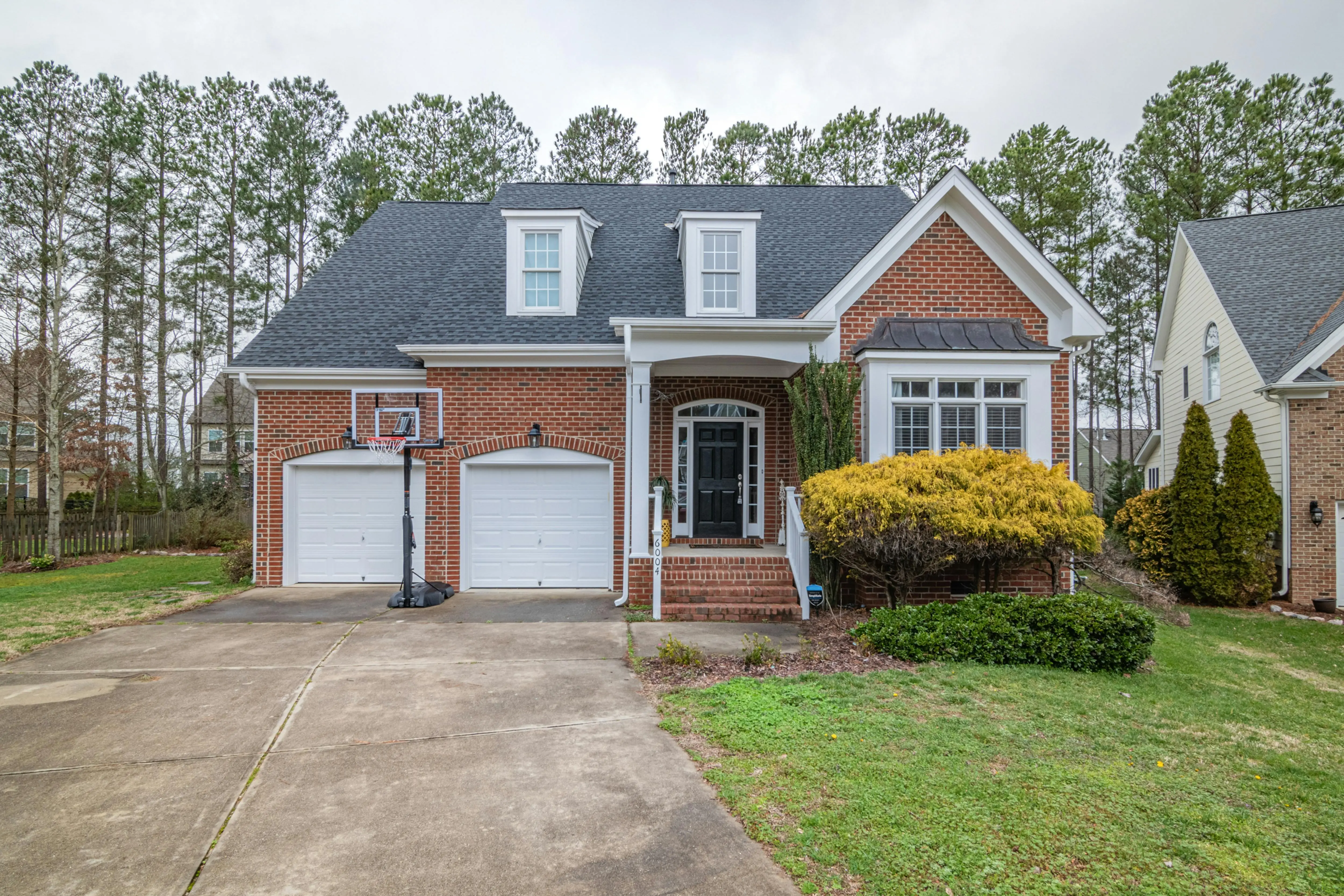
Why a Driveway Before-and-After Gallery Matters
Scrolling through a driveway before-and-after gallery is the fastest way to picture what’s possible for your own home. Cracks, oil stains, and 30-year-old settling suddenly become smooth, modern concrete with crisp joints and rich color. Beyond the wow factor, side-by-side photos reveal:
- Which repair method actually works (resurfacing vs. replacement)
- How design choices (stamped borders, exposed aggregate) look in real-world lighting
- What to expect for project length, mess, and final curb-appeal boost
Use the images as a checklist: if your driveway shows the same “before” symptoms, you already know the “after” solution is possible.
The “Before” Files: 6 Typical Driveway Problems Homeowners Face
Alligator Cracking
Interconnected cracks that look like reptile skin mean the sub-base has shifted. A thin overlay won’t last; full-depth replacement is usually required.
Spalling Surface
Flaky, chipped top layer caused by freeze-thaw cycles or salt. If it’s less than ¼ in. deep, a micro-topping can restore smoothness; deeper damage calls for a 2-in. bonded overlay or new slab.
Oil Saturation & Stains
Dark blotches that won’t pressure-wash away indicate petroleum has soaked into the pores. Pretreat with a citrus-based degreaser, then decide whether to resurface or start fresh.
Drainage Puddles
Standing water 24 hours after a storm accelerates freeze damage. Options: add 1 % slope with a new pour, cut trench drain, or install permeable pavers along the edge.
Faded, Patchy Color
UV rays bleach standard gray concrete in under five years. A penetrating tinted sealer or integral color in a new pour revives richness.
Outdated Narrow Slab
1950s driveways are often 8 ft. wide—too slim for modern SUVs. Widening to 10–12 ft. and adding a stamped border instantly updates proportions.
From Drab to Fab: 4 Proven Transformation Options
1. Concrete Resurfacing (Overlay)
A polymer-modified cement is troweled over sound concrete at ⅛–¼ in. thick. Best for surface blemishes, not structural issues. Expect a 5–7-day cure before vehicle traffic.
2. Stampable Overlay
Same concept as above, but ½ in. thick with stamped patterns and color hardeners. Mimics stone or brick for 30–40 % less cost than true pavers.
3. Full Slab Replacement
Remove existing concrete, re-grade base, pour new 4,000-psi concrete with fiber mesh and rebar. Lifespan 30–40 years; warranty 5–10 years when installed by a certified contractor.
4. Decorative Saw-Cut & Stain
Keep the solid slab, but add 24-in. diamond-cut squares and apply translucent acid stain. Quick 1-day upgrade that hides future cracks inside the “grout” lines.
Driveway Before-and-After Gallery: Real Projects & Takeaways
Project 1: Gray to Ash-Slate Stamped Driveway
Before: 600 sq ft plain gray slab with ⅛-in. cracks at control joints.
After: Ash-slate stampable overlay, 2-in. charcoal border, high-gloss sealer.
Homeowner tip: Ask for a secondary “release color” to add depth; the dark tones hide tire marks.
Project 2: Cracked Apron Replacement with Heated Driveway Add-On
Before: Severely spalled 12-ft apron and 8 % slope causing ice buildup.
After: New 6-in. steel-reinforced slab embedded with hydronic heat tubes.
Homeowner tip: Insulate beneath the new concrete; otherwise heat escapes into the soil and operating costs double.
Project 3: Widening & Circular Turnaround Addition
Before: Single-car 8-ft drive ending at a two-car garage.
After: 24-ft wide court with 12-ft stamped circle and contrasting band.
Homeowner tip: Check city setback rules; some towns limit impervious surface ratios.
Project 4: Exposed Aggregate Refresh
Before: 1990s pea-gravel drive worn smooth, exposing gray paste.
After: Retarder spray + power-wash reveal fresh aggregate, clear UV sealer.
Homeowner tip: Re-seal every 3 years to prevent stone loss and color fade.
Project 5: Budget-Friendly Broom-Finish & Colored Curb
Before: Uneven sections creating trip hazards.
After: Slab replacement, broom finish for traction, 6-in. integral-color border.
Homeowner tip: Dark borders mask leaf stains and reduce glare.
What Does a Driveway Makeover Cost in 2024?
Prices vary by region, access, and demolition depth. National averages below include removal, base prep, and new 4-in. 4,000-psi concrete:
- Basic broom finish: $8–$12 / sq ft
- Colored & stamped: $14–$20 / sq ft
- Exposed aggregate: $12–$16 / sq ft
- Heated driveway systems: add $10–$15 / sq ft plus boiler
Overlay projects run 30–50 % less if the base is sound. Always request line-item bids so you can compare prep labor vs. finish upgrades.
Planning Your Own Driveway Transformation
Step 1: DIY vs. Pro—Know the Limits
Small crack sealing or decorative staining can be DIY. Full replacement requires excavators, laser screeds, and crew timing—hire a licensed flatwork specialist.
Step 2: Get 3 Site Visits
Ask each contractor to bring a portfolio tablet with local before-and-after photos. Verify warranty length and whether it covers structural settling vs. surface scaling.
Step 3: Time It Right
Schedule between 45–80 °F with no rain forecast for 48 hours. Cool, damp fall mornings slow cure; hot July afternoons cause plastic-shrinkage cracks.
Step 4: Prep the Adjacent Landscape
Lower irrigation heads, mark invisible dog fence, and relocate vehicles 50 ft. away. Concrete trucks weigh 70,000 lb—soft turf equals stuck trucks and extra tow charges.
Step 5: Protect Your Investment
Wait 7 days before driving, 30 days before sealing. Use a breathable silane-siloxane sealer every 3–5 years. Avoid magnesium chloride ice melt; choose calcium chloride instead.
Keep the “After” Looking New: Maintenance Checklist
- Pressure-wash annually at 2,500 psi with a 25° green tip.
- Apply sealer when water no longer beads; typically year 3 in moderate climates.
- Fill hairline cracks within 30 days using gray self-leveling caulk.
- Keep gutters clean—overflowing water undermines slab edges.
- Install rubber blade snow shovels to prevent surface gouging.
Curb Appeal & ROI: What the Appraiser Sees
Remodeling Magazine’s 2023 Cost vs. Value Report lists a new 600 sq ft concrete driveway returning 68 % of its cost at resale. Real-estate photographers feature the driveway in 7 of the first 10 listing shots. A faded, cracked drive signals deferred maintenance; a crisp, decorative entrance suggests the entire property is well cared for.
Frequently Asked Questions
Most 600–800 sq ft projects are completed in 3 days: Day 1 demo and base prep, Day 2 pour and finish, Day 3 saw-cut control joints and clean up. You can walk on it after 24 hours, drive after 7 days.
If the slab is structurally sound—no settling, major cracks, or spalling deeper than ¼ in.—a stampable overlay or acid stain can transform the look for half the cost of replacement. A contractor will perform a bond test to confirm adhesion.
Generally, basic replacement is considered maintenance and won’t trigger a reassessment. Upgrades that add significant square footage (widening or adding a turnaround) may increase appraised value. Check with your local assessor’s office.
Wait a minimum of 28 days for the slab to cure and excess moisture to evaporate. Use a breathable penetrating sealer (silane-siloxane) for freeze-thaw protection, or a decorative high-solids acrylic for stamped/color applications. Re-apply every 3–5 years.