
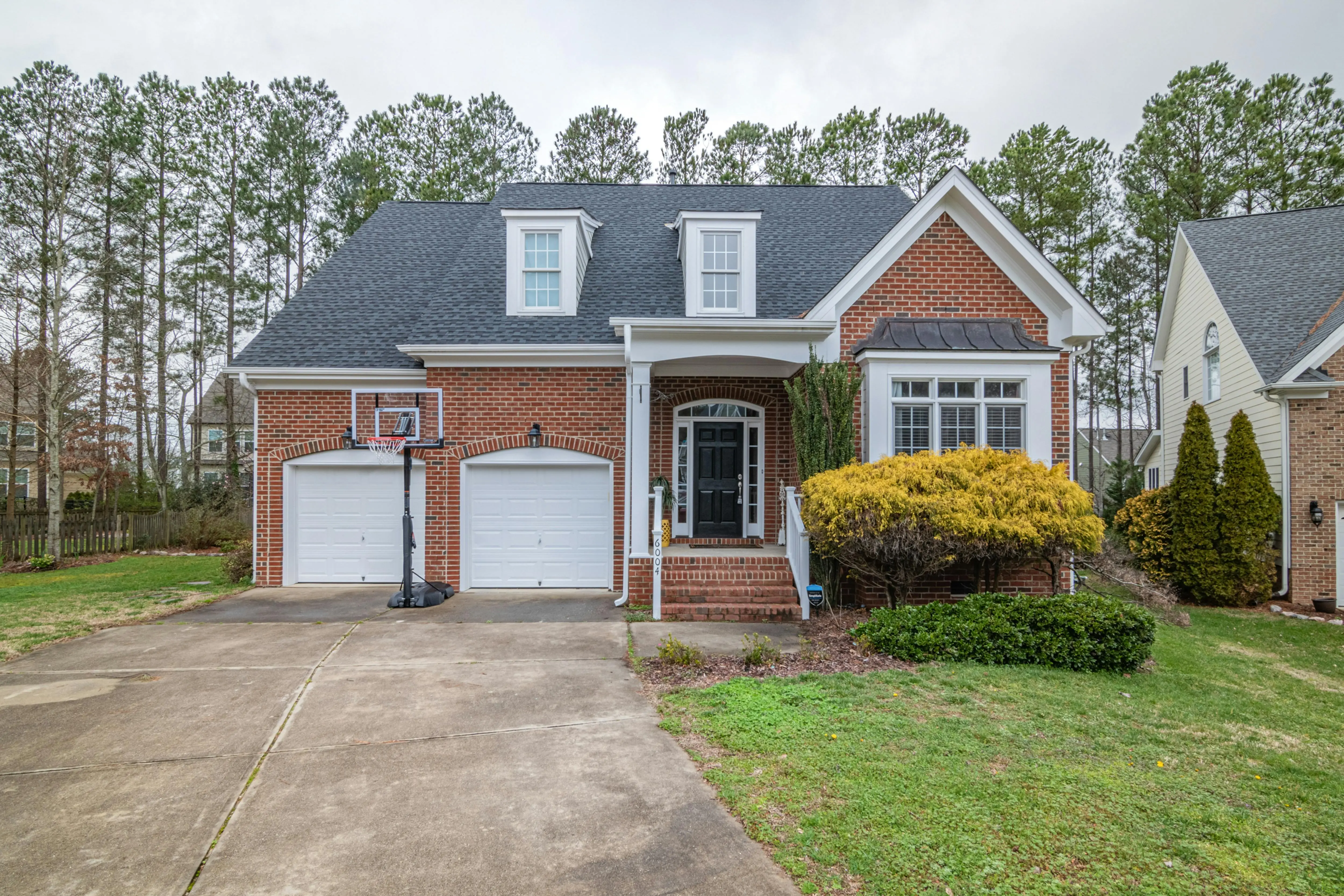
Driveway Basics: What Every Homeowner Should Know First
Your driveway is the red carpet to your home. It takes daily traffic, shoulders heavy loads, and quietly boosts (or busts) curb appeal. Before you patch, replace, or upgrade, it pays to master the Driveway Basics: the common materials, realistic price tags, and how long each surface actually lasts in real-world conditions.
In this guide you’ll learn how to compare upfront costs vs. long-term value, spot which option fits your climate, and plan maintenance so you’re not surprised by a crumbling surface five years from now.
Driveway Types: Pros, Cons & Best-Use Scenarios
1. Gravel Driveways
The budget champion. A properly layered gravel drive can be installed in a day and costs a fraction of other materials.
- Pros: Cheap, DIY-friendly, excellent drainage, rustic look.
- Cons: Ruts develop quickly, stones scatter, snow removal is tricky, annual top-ups needed.
- Lifespan: Indefinite if you replenish gravel every 1–2 years and grade regularly.
- Best for: Long rural lanes, cottages, areas with freeze-thaw cycles where heave is common.
Pro tip: Install geotextile fabric under the first layer to keep gravel from sinking into mud.
2. Asphalt (Bitumen) Driveways
Blacktop remains the most popular paved surface thanks to its mid-range price and smooth finish.
- Pros: Flexible (less cracking in cold), snow melts faster on dark surface, quick install.
- Cons: Requires seal-coating every 3–5 years, softens in extreme heat, oil stains show.
- Lifespan: 15–20 years with sealant schedule; 10 years if neglected.
- Best for: Suburban homes in northern or mixed climates.
Pro tip: Request “virgin” hot-mix instead of recycled asphalt for a denser, longer-lasting surface.
3. Concrete Driveways
Poured concrete delivers a clean, modern look and huge design flexibility with stamping, staining, or exposed aggregate.
- Pros: 25–30+ year life, low day-to-day upkeep, handles heavy vehicles, design options galore.
- Cons: Higher upfront cost, stains show, cracks are inevitable in freeze zones, salt damages surface.
- Lifespan: 25–30 years with joint sealing and annual washing.
- Best for: Homeowners who value longevity and want decorative finishes.
Pro tip: Ask for 5-inch slump, 4,000 psi concrete with fiber mesh and control joints every 10 ft to limit random cracks.
4. Pavers (Brick, Concrete, or Stone)
Interlocking pavers create a high-end, customizable appearance that can be repaired one stone at a time.
- Pros: Instantly boosts resale value, limitless patterns/colors, individual replacement, no curing wait time.
- Cons: Most expensive surface, weeds in joints if not sealed, can shift if base is poorly compacted.
- Lifespan: 30–50 years; surface looks new after power-washing.
- Best for: Upscale homes, historic districts, short driveways where aesthetics top cost concerns.
Pro tip: Use polymeric sand in joints; it hardens and cuts weed growth by 90%.
5. Tar-and-Chip (Chip Seal)
Often called “poor man’s asphalt,” tar-and-chip sprays hot liquid asphalt over a gravel base, then embeds colored stone.
- Pros: Rustic charm, skid-resistant, cheaper than asphalt, no seal-coating.
- Cons: Fewer contractors offer it, loose stones at first, difficult to snow-plow without scraping.
- Lifespan: 7–10 years; can be rejuvenated with another chip layer.
- Best for: Country properties, long lanes, homeowners who want gravel’s look without constant raking.
6. Stamped or Colored Overlay Systems
Thin polymer-modified overlays can mimic stone, slate, or brick on top of existing concrete.
- Pros: Fast transformation, custom colors, ¼-inch thickness adds minimal weight.
- Cons: Not ideal for driveways with major cracks or structural movement, needs reseal every 2–3 years.
- Lifespan: 10–15 years if base concrete is sound.
- Best for: Updating plain concrete without full tear-out.
Driveway Costs: National Averages & What Drives Price
Contractors price by the square foot, but four hidden variables swing the final bid:
- Base condition: Soft topsoil requires 6–10 inches of compacted gravel; that adds $1–$2 per sq ft.
- Site access: Tight side yards, slopes, or the need for manual wheelbarrow work increases labor hours.
- Local material haul distance: Rural sites 50 miles from the nearest asphalt plant pay fuel surcharges.
- Permit fees: Some cities require a $50–$200 permit for new paved surfaces over 500 sq ft.
2024 National Cost Ranges (Installed)
| Material | $/Sq Ft | 12×24 Ft Driveway (288 sq ft) |
|---|---|---|
| Gravel | $1 – $3 | $288 – $864 |
| Tar-and-Chip | $2 – $5 | $576 – $1,440 |
| Asphalt | $3 – $7 | $864 – $2,016 |
| Concrete (plain) | $4 – $10 | $1,152 – $2,880 |
| Stamped/Colored Concrete | $8 – $15 | $2,304 – $4,320 |
| Interlocking Pavers | $10 – $20 | $2,880 – $5,760 |
How to Save Without Cutting Quality
- Group buy: Team up with neighbors; asphalt plants discount 5–10% for multi-job days.
- Timing: Book during shoulder seasons (early spring or late fall) when crews are hungry for work.
- Keep the base, change the face: If your concrete base is sound, an overlay costs half of a full replacement.
Lifespan & Maintenance Cheat-Sheet
A driveway’s real price is the annual cost of ownership. Divide install cost by expected years, then add yearly maintenance.
Gravel
- Annual top-up: $100–$250
- Grading: $50–$150 per pass, 1–2× per year
Asphalt
- Seal-coat: $0.15–$0.25 per sq ft every 3–5 years
- Crack fill: DIY $10 tube or $0.50 per linear ft pro
Concrete
- Joint sealer: $0.10–$0.25 per linear ft every 3 years
- Annual wash + degreaser: DIY under $30
Pavers
- Polymeric sand top-up + sealer: $0.40–$0.70 per sq ft every 5 years
- Individual paver replacement: $5–$10 each
Bottom line: Concrete and pavers cost more upfront but can be cheaper per year because they last twice as long as asphalt.
Climate & Soil: Matching Driveway Basics to Your Region
Freeze-Thaw Zones (Northern US)
Water expands 9% when it freezes, turning tiny cracks into canyon-sized potholes.
- Best: Concrete with air-entrained mix, asphalt with rubberized crack sealer, gravel (no surface to crack).
- Avoid: Thin overlays that can’t flex, dark pavers without expansion joints.
Hot & Humid (Southern States)
- Challenge: Asphalt softens, tire marks appear.
- Best: Light-colored concrete or pavers that reflect heat, chip seal with light limestone.
Expansive Clay Soils (Texas, Colorado Plains)
- Solution: 8–12 inch flex-base plus geo-grid stabilization; choose reinforced concrete or flexible asphalt.
High Rainfall (Pacific Northwest)
- Drainage first: French drain or 2% slope away from house; porous pavers or gravel reduce runoff.
Decision Checklist: Which Driveway Basics Fit Your Home?
- Budget ceiling? Under $5k ➜ gravel, tar-and-chip, or basic asphalt.
- Need decorative appeal? Pavers or stamped concrete win every time.
- Hate maintenance? Plain concrete—wash and go.
- Deal with snowplows? Smooth asphalt or concrete; skip loose gravel.
- HOA rules? Some associations ban gravel or require specific colors—check first.
Print this list, circle your top three priorities, and the right material usually reveals itself.
Installation & Prep Tips for a Longer-Lasting Driveway
Site Prep Non-Negotiables
- Excavate organic topsoil—grass and roots decay into voids.
- Compact sub-grade in 6-inch lifts; use a plate compactor, not a lawn roller.
- Install geo-fabric on clay soils to prevent base rock from disappearing into mud.
Edge Restraints & Drainage
- Concrete curbs or plastic paver edging stops lateral spread.
- Slope 1 inch per 8 ft toward street or swale; puddles are the #1 premature aging factor.
Curing & Use Timeline
- Asphalt: keep vehicles off 24–48 hrs; avoid sharp turns for 5 days.
- Concrete: wait 7 days for passenger cars, 28 days for heavy trucks; keep surface wet or covered for first 72 hrs to reduce surface cracks.
Frequently Asked Questions About Driveway Basics
Gravel needs 8–10 inches of compacted base rock. Asphalt should be 2–3 inches surface layer over 4–6 inches base. Concrete requires 4-inch slab for cars, 5 inches if you park a ¾-ton truck or RV.