
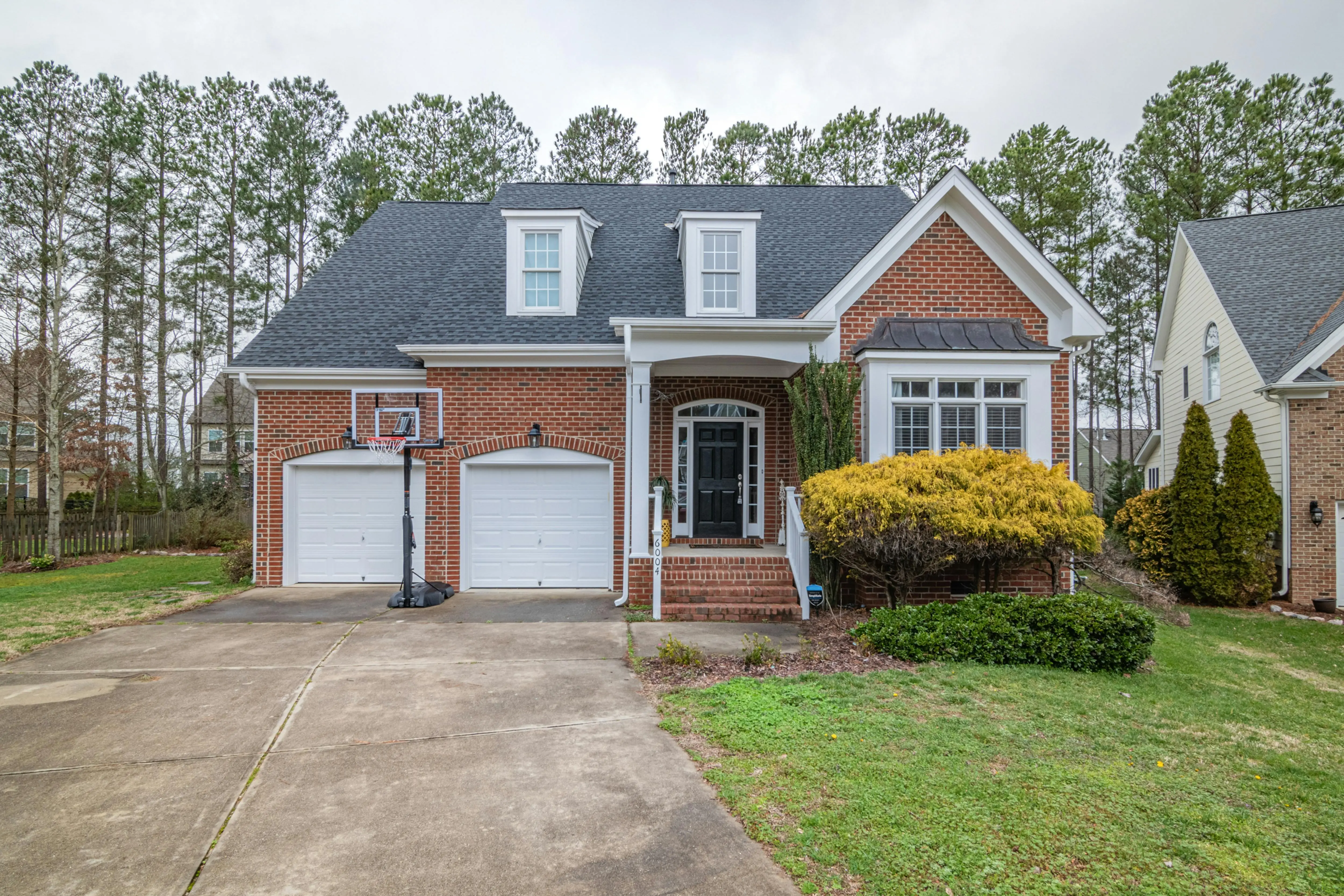
Driveway Base and Subgrade: The Hidden Engine Under Your Tires
A shiny new asphalt or paver driveway looks great on day one, but if the layers you can’t see are weak, you’ll be staring at cracks, ruts and potholes long before the warranty expires. The Driveway Base and Subgrade are the structural guts of your driveway; the surface is only the paint job. Understanding how these lower layers work—and insisting they’re installed correctly—saves thousands in repairs and keeps your ride smooth for decades.
In this guide you’ll learn what the subgrade and base really do, how to evaluate yours, when to fix them, and what questions to ask any contractor who gives you a quote.
What Exactly Is the Subgrade?
The subgrade is the native or improved soil directly under the gravel base. It’s the final load-bearing layer that ultimately carries your car, the delivery truck and the occasional snow plow.
Why Soil Type Matters
- Clay: Holds water, expands and contracts → leads to heaving and cracking.
- Silt: Poor drainage, washes away easily → creates voids and sinkholes.
- Sand: Drains well but can shift if uncompacted → may rut under load.
- Rock/Compacted Gravel: Ideal, but rare in pure form in most yards.
A simple hand test—squeeze a moist handful—can tell you a lot. Clay forms a tight ball that won’t break when poked; sand falls apart immediately. When in doubt, request a soil classification report (usually under $150).
Signs of a Weak Subgrade
- Spongy or “bouncy” feel when you walk across the bare soil after rain.
- Standing water longer than 24 hours.
- Previous driveway showed alligator cracking or linear depressions.
- Nearby trees with surface roots—indicates shallow, unstable soil.
The Base Layer: Your Driveway’s Shock Absorber
Think of the base as the middle child: it translates loads from the surface to the subgrade while preventing water from punching through. Most residential driveways use 4–8 inches of crushed stone (often called “road base,” “item 4,” or “¾-inch minus”).
Key Properties of a Good Base Material
- Angled particle shape: Locks together under compaction.
- Size variety: Fines fill voids, large stones create skeleton.
- Moisture content: Slightly damp gravel compacts tighter than bone-dry or soggy gravel.
How Thick Should the Base Be?
| Vehicle Type | Minimum Base Thickness |
|---|---|
| Sedan / light SUV only | 4 in. on firm subgrade, 6 in. on clay |
| ½-ton pickup, occasional delivery van | 6–8 in. depending on soil |
| RV, boat, dumpster pad | 8–12 in. + geogrid stabilization |
Contractors who promise a 2-inch “compacted” base on topsoil are planning your next repair invoice, not a driveway.
Compaction: The Step 90 % of Failures Skip
Dumping gravel and driving over it a few times with a pickup is not compaction. Proper densification requires the right moisture (“optimum”) and mechanical force (plate compactor or roller) in thin lift layers—no thicker than 4 inches loose.
DIY Compaction Checklist
- Rent a 300-lb plate compactor, not a lawn mower-sized tamper.
- Add gravel in 3–4 inch lifts, spray lightly if dusty.
- Make at least two full passes per lift until footprints no longer appear.
- Proof-roll the final base with a fully loaded pickup; look for rutting > ½ inch.
If the gravel moves under truck weight, add another lift and compact again. Spending an extra $75 on compactor rental beats a $3,000 tear-out next spring.
Water Is the Enemy—Drainage Saves the Day
Even the best base turns to mush if water sits in it. Rule of thumb: provide a path for water to escape before it enters.
Grade Basics
Minimum 1 % slope (⅛ inch per foot) away from garages and toward the street or a swale. Crown the drive ¼ inch higher in the center so water runs to the edges.
Edge Drains & French Drains
If the driveway sits below yard level, install a perforated drainpipe wrapped in geotextile and gravel along the low edge. Daylight the pipe to a ditch or storm basin—never into a neighbor’s lot.
Geotextile Fabric: Insurance Policy
Placed between subgrade and gravel, woven geotextile prevents clay from pumping up into the base while letting water percolate down. Cost: ~$0.25 per sq ft; payback: priceless.
Repair or Replace? Evaluating Your Existing Base
Alligator cracks, potholes that return after patching, or a “wave” feeling when you brake mean the lower layers have failed. Here’s how to decide:
Core Test (Small Investment, Big Clarity)
A 4-inch hole drilled through the surface reveals base thickness and moisture. If the gravel is soupy or less than 3 inches thick, plan on a full-depth reclamation or replacement.
Patch vs. Partial Replacement
- Isolated soft spot: Cut out, re-compact subgrade, add new base, resurface.
- More than 25 % of area failing: Economics favor full replacement; spot fixes become whack-a-mole.
Ask contractors for a unit price per square foot for base repair so you can compare apples to apples.
What Does a Proper Base and Subgrade Cost?
Prices vary by region, but national averages give you a budget anchor:
- Subgrade stabilization (geo-fabric + 6 in. compacted aggregate): $2–$4 per sq ft
- Additional base gravel (per inch over 4 in.): $0.60–$0.90 per sq ft
- Geogrid reinforcement (for heavy loads): $0.40–$0.60 per sq ft
- Full-depth reclamation (pulverize, re-grade, compact): $3–$5 per sq ft
Spending an extra $1 per square foot on the base can double the life of the surface, translating to 25 ¢ per year over a 20-year driveway—cheaper than any warranty.
7 Questions to Ask Any Driveway Contractor
- “What is the soil classification, and will you stabilize it?”
- “How many inches of crushed base will you install after compaction?”
- “What compacted density (psi or Proctor %) will you guarantee?”
- “Will you use geotextile fabric, and is that itemized?”
- “How will you achieve positive drainage away from my garage?”
- “Do you proof-roll the base before paving?”
- “Is base repair included if soft spots appear within the first year?”
If the answer to any of these is vague or “don’t worry about it,” keep calling.
FAQ: Driveway Base and Subgrade
Recycled crushed concrete (RCA) is acceptable if it’s clean, well-graded and contains no gypsum or wood debris. It must meet the same angularity and compaction specs as virgin stone. Confirm your local code and get a written gradation report; savings run 10–20 % but can disappear if extra screening is required.
As soon as the base passes proof-roll and density tests—don’t let it sit exposed through a rainy season. Surface within 7–14 days to prevent contamination from mud, leaves or vehicle tracking. If delay is unavoidable, cover the base with geotextile and lightly tack it down.
Not necessarily. If core tests show the base is thick and only the subgrade has localized soft spots, contractors can inject polyurethane foam or perform “full-depth patching” (remove bad section, rebuild base, re-pave). Expect 25–40 % cost savings versus full replacement, but only if 75 % of the existing base is sound.
Geogrid greatly improves load distribution, yet it is not a magic carpet. Organic topsoil must still be removed (or stabilized with cement/lime) because it continues to decompose and create voids. Use geogrid over improved subgrade—compacted clay, sand or gravel—for best ROI.