
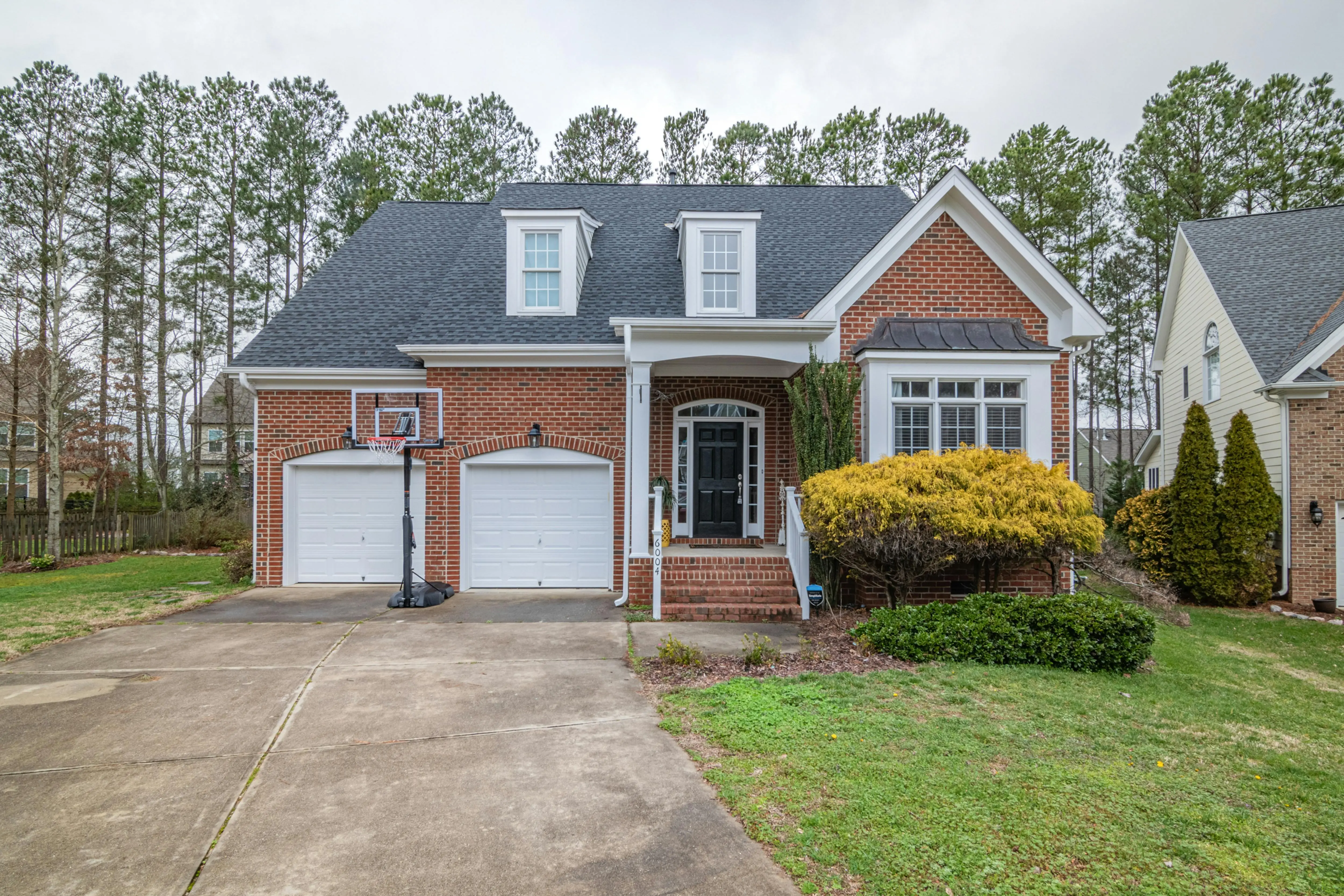
What “Driveway Asset Management” Really Means for Neighborhoods
Most people think of a driveway as a personal parking pad, but to a city engineer or HOA board it is a capital asset—one that either protects or drains the annual budget. Driveway Asset Management is the systematic plan to install, inspect, maintain, and replace every drive lane, apron, and approach within public rights-of-way or private communities so the surface lasts as long as possible for the lowest life-cycle cost.
Why should homeowners care? Because when municipalities and HOAs manage these assets well, you enjoy smoother rides, fewer special assessments, higher curb appeal, and a measurable bump in property value. When they don’t, you end up paying surprise levies or navigating pothole gauntlets that damage suspensions and home-sale prospects alike.
Municipal Best Practices: How Cities Stretch Every Tax Dollar
1. Build a Driveway Inventory
City crews log every public driveway approach—typically the 8–12 ft section between sidewalk and gutter—into a GIS database. Each entry records surface type (asphalt, concrete, brick), age, last treatment, PCI (Pavement Condition Index), and adjacent property owner. Free tools such as ESRI’s Collector app or even a shared Google My Maps layer let small towns start the list with a phone camera.
2. Adopt a Condition Rating System
Instead of subjective “looks okay” notes, crews score drives 0–100. Anything above 70 receives low-cost preventive seal coat; 50–70 gets patch or thin overlay; below 50 triggers full removal and replacement. Clear cut-offs remove politics from the decision and prove to taxpayers that the worst slabs are fixed first.
3. Use Preventive Maintenance Cycles
Concrete panels: joint re-seal every 5 years, crack seal within two seasons of first fracture. Asphalt drives: seal coat at year 3 and every 5 years thereafter, crack-fill annually. These two inexpensive treatments add 10–15 years of life—turning a 20-year replacement into a 30–35 year cycle and saving roughly $2.50 per square foot in present-day dollars.
4. Bundle Projects for Economies of Scale
Rather than spot-replace two drives on one block, cities bundle 50–100 driveway approaches into a single bid. Contractors lower mobilization costs 15–25 % and homeowners see uniform curb lines instead of patchwork quilts.
5. Communicate Early & Often
Postcards 30 days out, door hangers 7 days out, and a QR code linking to an interactive map keep residents informed. Clear timelines reduce “truck chasing” phone calls and allow homeowners to schedule their own landscaping or garage-door repairs so projects don’t conflict.
HOA Best Practices: Protecting Property Values Without Angering Neighbors
1. Draft a Driveway Reserve Study
State HOA laws increasingly require reserve studies, yet many skip drives because they’re “private.” Bring them back in. A professional engineer can measure every square foot, assign replacement cost ($8–$15 / sq ft for asphalt, $10–$18 for concrete), and spread the expense over the remaining life. The result: no $4,000 special assessment surprises.
2> Publish a 10-Year Capital Plan
Once the reserve dollar figure is known, boards convert it into a rolling 10-year schedule. Homeowners see exactly which streets and driveways are treated in which year. Stability encourages on-time dues payments and discourages the “I’ll sell before it matters” mentality.
3> Standardize Materials & Colors
Nothing tanks aesthetics faster than one bright-white concrete drive next to a faded gray neighbor. HOAs should lock in a color palette (e.g., medium broom-finish concrete or ¾-inch Idaho river-rock exposed aggregate) and a maximum joint spacing. Contractors buy in bulk, future repairs match, and architectural harmony is preserved.
4> Use a Rotating “Driveway of the Month” Inspection
Volunteer architecture committees burn out when they try to police 400 drives at once. Instead, divide the community into 12 zones and inspect one zone per month. Record violations (cracks wider than ¼-inch, oil stains, vegetation) and send courtesy letters with a 90-day compliance window. Consistency beats random crack-downs.
5> Negotiate Group Discounts With Driveway Service Firms
HOAs can pre-qualify three vendors annually, then publish the negotiated rate sheet. Homeowners still contract directly, but pricing is 8–12 % below retail and vendors agree to carry additional insured endorsements naming the association. Everyone wins on cost and liability.
Homeowner Checklist: How to Align With Municipal or HOA Programs
- Read the annual pavement report—usually posted on the city or HOA website—and note whether your drive ranks in the bottom quartile.
- Seal cracks every fall. A $12 tube of polyurethane now prevents a $350 panel replacement later.
- Keep gutters and downspouts clear so water doesn’t undercut the driveway approach; 70 % of joint spalling is water-related.
- Mark sprinkler heads and landscape lighting before any contractor arrives; you’ll avoid $75 service calls to replace broken heads.
- Photograph your driveway the day before work starts. If new cracks appear within the contractor warranty period (usually two years), the photo proves pre-existing condition.
- Attend the pre-construction meeting. Ask if the city or HOA will replace only the approach or also the sidewalk. Knowing limits prevents disappointment when saw-cut lines appear.
Understanding Cost Drivers: Why Prices Vary 40 % Between Quotes
Surface Area vs. Linear Foot Pricing
Contractors price by the square foot, but municipal bids often add linear-foot items for saw-cutting, joint sealing, and apron tie-ins. A 20×20 ft drive (400 sq ft) may carry 80 ft of joints. If one bid omits joint sealing, it can look $400 cheaper while hiding future liability.
Base Repairs & Soil Stabilization
Clay soils in Texas or freeze-thaw zones in Minnesota require 6–8 inches of crushed stone base; sandy Florida lots may need only 4 inches. Ask for a core sample or at least a penetrometer reading. Skimping on base work is the #1 reason driveways fail in year seven instead of year twenty.
Traffic Control & Permits
On busy collector streets, cities require certified flaggers ($45 / hr each) and lane closure permits ($150–$500). Those costs pass through to the property owner unless the HOA master policy already budgets for them.
Seasonal Demand
Seal-coating prices jump 20 % between April and July. If your HOA can wait until late August, contractors hungry to keep crews busy often drop rates.
Sustainability & ADA: Future-Proofing Your Driveway Assets
Green infrastructure isn’t just for highways. Permeable pavers in alley approaches reduce storm-water fees in Seattle and Chicago. Recycled asphalt pavement (RAP) mixes cut virgin aggregate use 30 % and lower surface temperature 5–7 °F, mitigating urban heat-island effects. Meanwhile, ADA compliance means maximum 2 % slope at the sidewalk crossing and ¼-inch bevels on any utility plates—details that prevent trip-and-fall lawsuits. Forward-thinking HOAs amend design standards now so every future replacement automatically meets environmental and accessibility goals.
Tech Tools That Make Driveway Asset Management Easy
- HOA Reserve Analyst: Cloud software that auto-adjusts driveway replacement cost by ZIP code inflation.
- CityRover PCI: Phone-based AI that photographs and scores crack density in seconds.
- DroneDeploy: Creates orthomosaic maps of entire subdivisions, letting boards see which drives share drainage patterns and should be bid together.
- QuickBids: Invitation-to-bid platform that pushes RFPs to pre-certified paving contractors and returns line-item proposals within 72 hours.
Frequently Asked Questions
The municipality typically pays for a standard gray concrete panel. If your HOA architectural code demands upgrades (color, stamp, exposed aggregate), you or the association must fund the difference. Request a “change order” quote before work begins; most cities allow you to pay the contractor directly for the upgrade while the base replacement is still covered.
Every three to five years, or whenever the community experiences a major weather event (freeze, flood, drought) that accelerates pavement aging. Updating cost figures annually for inflation is smart, but a full re-inspection with new photos and crack measurements can wait unless construction quality or climate patterns have changed.
Yes, and it’s encouraged. Use a rubberized crack filler first, then apply a commercial-grade coal-tar or asphalt-emulsion sealer with at least 2 % latex additive. Avoid “big-box” 5-gallon buckets that contain <25 % solids; instead buy 55-gallon drums from a local seal-coat supply. Proper DIY maintenance can add 8–10 years of life, pushing your driveway past the city’s next budget cycle and keeping you off the early-replacement list.
HOAs can place a lien on your property, charge late fees, and in many states foreclose if the debt remains unpaid. Municipalities have different leverage: they can withhold occupancy permits or place a tax lien on your home. The best course is to attend board meetings early, advocate for phased funding, or request a payment plan before the assessment is levied.