
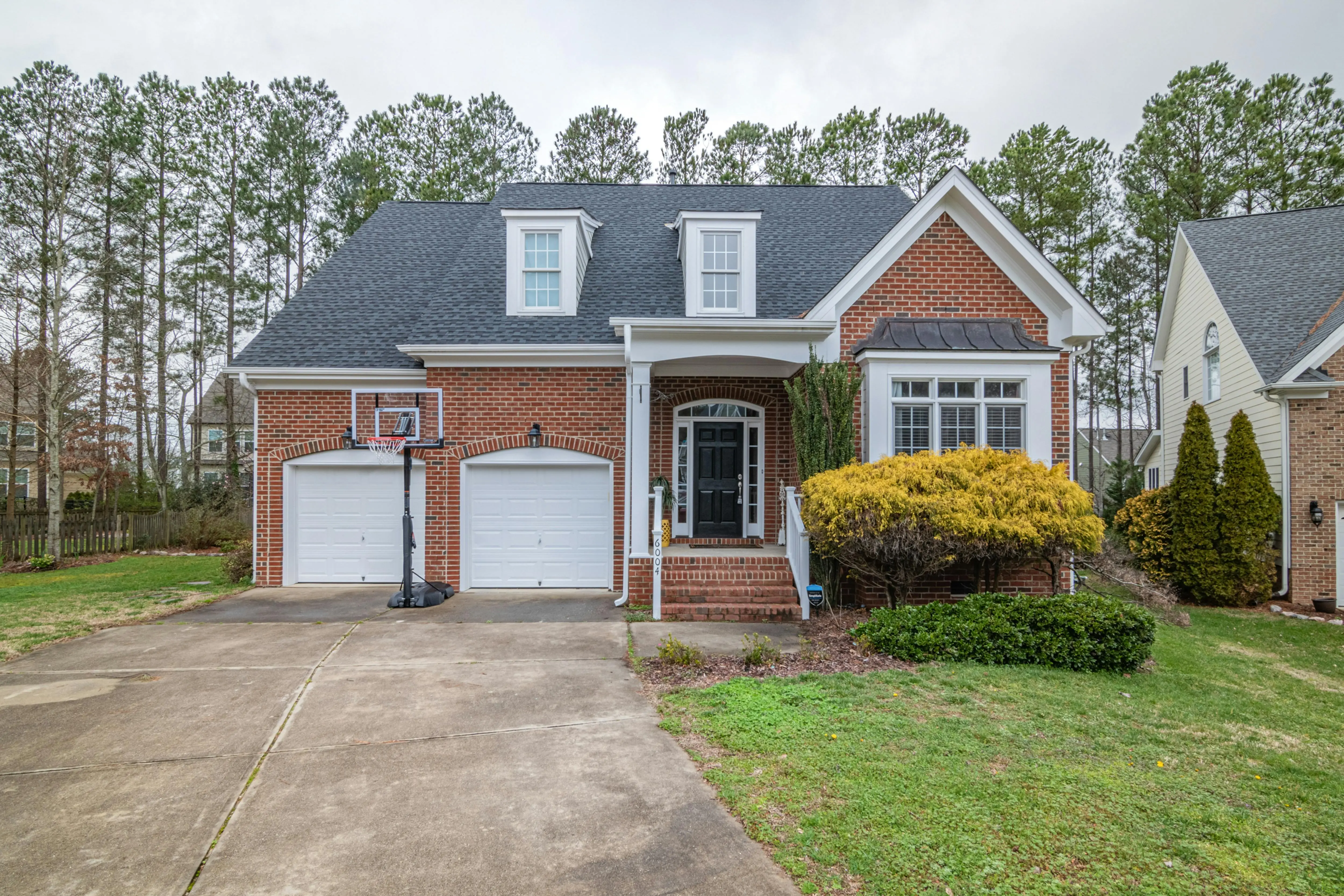
Why Driveway and Walkway Coordination Matters
Your driveway and walkway are the first things visitors notice. When they clash in color, material, or width, the whole property feels “off.” Coordinated hardscape boosts curb appeal, raises resale value, and—most importantly—makes daily life safer and easier.
Think of the pair like a suit and tie: each can look fine alone, but together they either complement or compete. Below, you’ll learn how to match shapes, surfaces, drainage, and budgets so the final result looks intentional, not accidental.
Start With a Site Audit
Before you pick a single paver, spend 30 minutes recording the facts. A simple sketch saves thousands in change-orders later.
Measure Twice, Buy Once
- Driveway width: Record at the street, at the garage, and any pinch points.
- Walkway width: Note the front door path, any side entries, and the sidewalk-to-street connector.
- Elevation changes: Use a phone level app to spot low spots that turn into puddles.
Check Local Codes Early
Many cities cap driveway width at 30 ft and require 4-ft setback from side property lines. Walkways must often stay 36 in. clear for ADA compliance. A two-minute call to the building department prevents tear-outs.
Design Principles That Tie Both Elements Together
Repeat One “Hero” Material
Choose one dominant surface—say, charcoal concrete pavers—and repeat it on both driveway and walkway. Use a second material only for accents (borders, inlays). The eye reads the repeat as “planned.”
Align Your Edges
If the driveway curve starts 12 ft from the property line, let the walkway curve start at the same distance. Shared geometry feels calming; mismatched offsets feel chaotic.
Scale Proportionally
A 24-ft driveway paired with a 2-ft walkway looks like a highway next to a tightrope. Aim for a walkway at least 4–5 ft wide (6 ft if you roll trash bins). The width should equal roughly 20–25 % of the driveway width at the street.
Material Matrix: Pairing Surfaces That Last
Concrete Driveway + Stamped Concrete Walkway
Pros: Seamless color match, one contractor, lower cost per sq ft.
Cons: Cracks show; must reseal every 3 years.
Asphalt Driveway + Brick Edger Walkway
Pros: Budget-friendly asphalt with upscale brick accent.
Cons: Thermal movement can shear brick unless you install a flexible border.
Paver Driveway + Paver Walkway (Same Series, Different Pattern)
Pros: Lifetime color fade warranty, modular repairs, highest ROI.
Cons: Up-front cost 3× asphalt. Use a herringbone pattern on the drive for interlock and a running-bond pattern on the walk for speed of install.
Exposed Aggregate Driveway + Exposed Aggregate Walkway
Pros: Slip-resistant, hides stains, matches mid-century homes.
Cons: Tough to patch seamlessly if you ever cut a utility trench.
Color Coordination Without Going “Matchy-Matchy”
- Pick the house body color first.
- Select a paver or stain that is 1–2 shades darker than the lightest trim color.
- Use the same color family but vary texture: smooth broom finish on the drive, light shot-blast on the walk.
Pro tip: Order full-size samples, wet them, and view at 9 a.m., noon, and dusk. Wet color is the color you’ll live with 90 % of the time in humid climates.
Shared Drainage: Keep Water Away From Both Surfaces
Slope Standards
Driveway: 2 % minimum toward street or swale.
Walkway: 1 % away from house foundation, 2 % cross-slope for ADA.
Use a French Border
A 4-in.-wide gravel trench between driveway and planting bed captures sheet flow before it undercuts the walk. Line it with geo-fabric and decorative river rock to match the color palette.
Lighting & Landscaping Touches That Unify
- Repeat the same light fixture on both sides of the drive entry and at the walk’s front door approach.
- Space fixtures 12–14 ft apart on center to avoid “runway” effect.
- Plant low hedges (e.g., dwarf yaupon holly) on both edges; the mirrored landscaping frames the hardscape like bookends.
Budgeting For Coordinated Hardscape
| Material Combo | Driveway $/sq ft | Walkway $/sq ft | Total 1 200 sf Drive + 200 sf Walk |
|---|---|---|---|
| Asphalt + Brick Accent | $4–5 | $10–12 | $6 800–$7 800 |
| Plain Concrete | $8–10 | $10–12 | $11 600–$14 400 |
| Stamped Concrete | $12–15 | $14–16 | $17 200–$21 200 |
| Concrete Pavers | $16–20 | $18–22 | $22 800–$28 400 |
Add 10 % for waste and 5 % for sealing or polymeric sand every 3–5 years. Request one contractor to bundle both jobs—savings of 8–12 % are common.
Permit Process & HOA Hurdles
- Submit a site plan showing both surfaces with dimensions, slopes, and drainage arrows.
- Include material sample boards for color approval; many HOAs reject on color alone.
- Schedule pre-concrete inspection (some counties require rebar photos before pour).
Factor two extra weeks into your timeline for back-and-forth revisions.
DIY vs. Pro: Where to Draw the Line
- DIY-friendly: laying a 3-ft wide paver walkway over an existing concrete slab. Rent a wet saw for one weekend.
- Hire-it-out: driveway base prep (6 in. of compacted aggregate in 2-in. lifts). A plate compactor alone weighs 200 lb—plus, improper base leads to settlement cracks within months.
Hybrid approach: Demo yourself, let the pro install and compact base, then you handle the final paver layer or decorative stain to cut labor costs 20 %.
Maintenance Schedule That Protects Both Surfaces
| Task | Frequency | Driveway | Walkway |
|---|---|---|---|
| Seal surface | Every 3 years | Asphalt or stamped concrete | Stamped concrete |
| Re-sand joints | Every 2 years | — | Pavers |
| Crack fill | Spring | All surfaces | All surfaces |
| Pressure wash | Annually | Low PSI (≤ 2 500) | Low PSI, wide fan |
Frequently Asked Questions
Yes. Choose a paver or concrete color that picks up the charcoal flecks in the asphalt. Add a 6-in. brick ribbon along the drive edge to create a transition strip; this visually links the two surfaces without full replacement.
Minimum 4 ft for single-person passage, 5 ft for two people side-by-side. Scale-wise, 5 ft equals about 20 % of a 24-ft driveway width and looks balanced.
Use polymeric sand with the same color pigment in both areas. The polymer hardens and repels seeds. Re-sweep every two years; driveways need extra attention where tires grind the sand.
According to the National Association of Realtors, coordinated hardscape can recoup 75–85 % of its cost at resale, compared with 55 % for mismatched or worn surfaces. Appraisers list “curb appeal” as a top five value driver.