
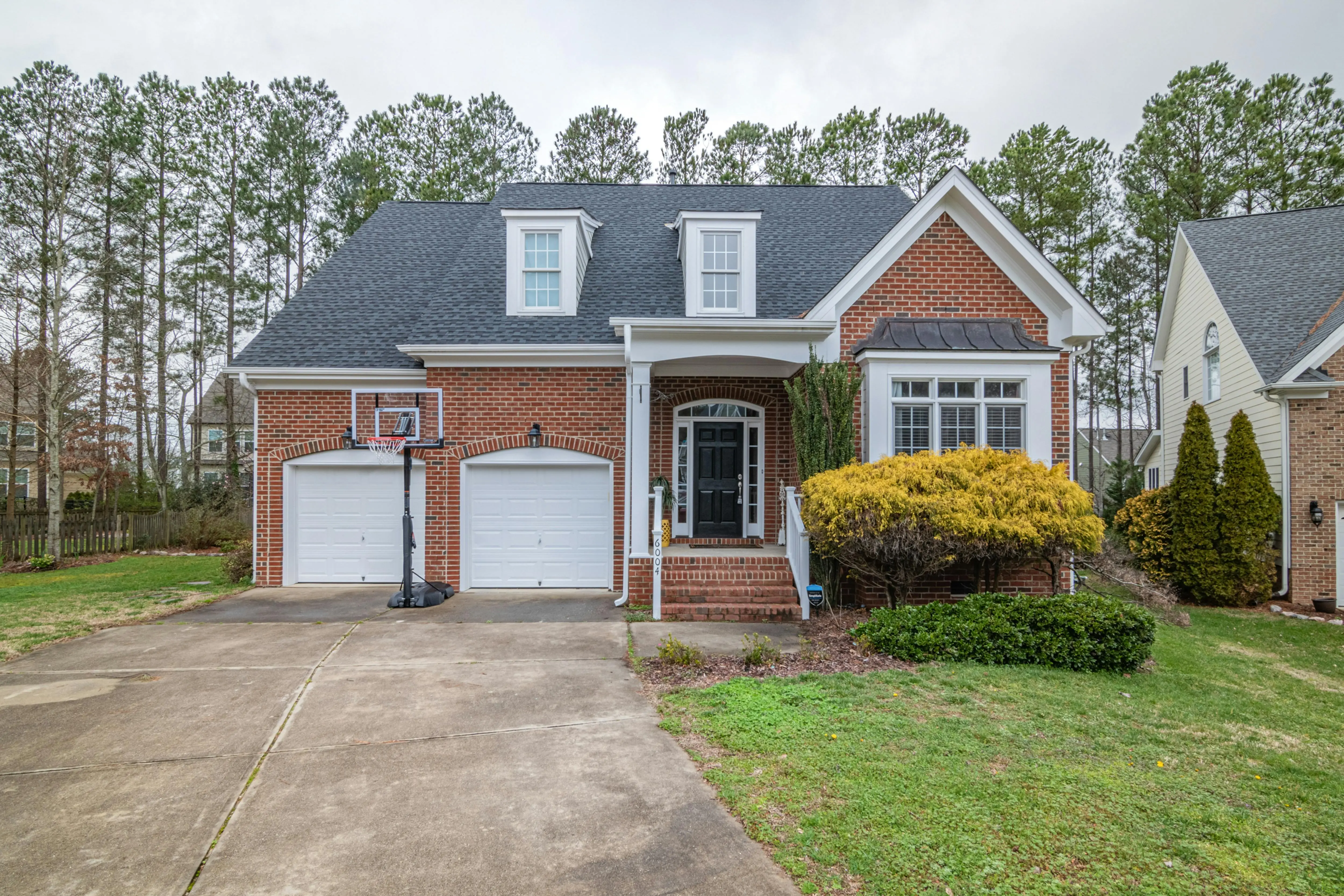
Why Driveway and Landscaping Integration Matters
Your driveway is the single largest surface visitors see first. When it feels “bolted on” instead of blended in, it can drag down the entire look of your property. Thoughtful driveway and landscaping integration turns that utilitarian slab into a design feature that frames gardens, guides guests, and even boosts resale value by 5–10 %, according to the National Association of Realtors.
Integration is more than planting a few shrubs along the edge. It means matching materials, colors, drainage, lighting, and plant choices so hardscape and softscape work as one system. Done right, you cut long-term maintenance, reduce runoff, and create a front-yard oasis that looks bigger and more polished.
Start With a Cohesive Master Plan
Jumping straight into pavers or petunias is tempting, but a weekend of planning saves months of regret. Sketch the big picture first, then layer in details.
Map the Flow
- Walk the yard at different times of day. Note where sun, shade, and water puddle.
- Mark primary views: front door, living-room window, street approach.
- Draw “desire lines” that show how people naturally walk from car to door.
Create a Simple Site Survey
You don’t need CAD software. Print a Google Earth image, tape it to cardboard, and jot existing trees, slopes, utilities, and irrigation heads. Take a long hose and lay out potential driveway edges; adjust until turns feel comfortable for your longest vehicle plus 2 ft clearance on each side.
Set a Unifying Theme
Choose one style vocabulary—modern minimalist, craftsman cottage, desert xeriscape—and stick to it. Write the theme at the top of every material sample board so you don’t drift into “paver sampler platter” territory.
Matching Driveway Materials to Landscape Elements
The fastest route to cohesion is repeating textures, colors, or shapes found in your home’s façade elsewhere in the landscape.
Concrete That Complements, Not Clashes
Standard gray can feel cold against warm brick. Consider:
- Integral color: tan, pewter, or terra-cotta flecks pulled from roof shingles.
- Exposed aggregate: choose river rock that mirrors stone edging.
- Brushed or broom finish: keeps it simple so plants provide the drama.
Pavers & Natural Stone
Concrete pavers come in 6-in and 8-in modules that can echo the proportion of siding boards or window grids. Bluestone or flagstone bands can be repeated in front-porch steps or seat walls for a custom look without the cost of solid-stone drive.
Gravel & Stabilized Granite
Excellent for rustic or farmhouse themes. Use a honey-colored granite that matches pathway mulch, and contain edges with a brick soldier course pulled from the house foundation.
Manage Water the Beautiful Way
Nothing ruins curb appeal faster than a lake at the garage door. Good drainage can also irrigate planting beds, saving money and municipalities.
Permeable Pavers
Open joints let rain soak through, cutting runoff by up to 100 %. Surround the drive with a 12-in wide strip of the same permeable material planted with creeping thyme; it reads like a green rug and smells great when driven over.
Swales & Rain Gardens
A shallow 6-in depression lined with river rock and native sedges can handle roof and driveway overflow. Place it 3 ft away from asphalt so plant roots don’t degrade edges.
French Drains Disguised as Bed Edging
Hide a 4-in perforated pipe under decorative gravel that matches driveway chips. Top with larger cobbles so the trench looks intentional, not like a construction afterthought.
Planting for Curb Appeal and Car Compatibility
The best driveway plants survive heat, salt, and the occasional bumper kiss while framing views and softening hard edges.
Canopy Trees for Shade & Scale
Choose high-branching species that won’t drip sap on paint: Japanese zelkova, hackberry, or desert willow in arid zones. Plant 8 ft back from pavement so mature trunks don’t heave slabs.
Low Evergreen Structure
Dwarf yaupon holly, rosemary, or germander stay 18–24 in tall—perfect for outlining curves without blocking sight lines. Repeat every 3 ft for rhythm.
Seasonal Color Without Chaos
Pick a two-color palette that complements your hardscape. Example: charcoal driveway + cream house = purple salvia and white candytuft for spring, switch to dwarf crape myrtle and silver ponyfoot for summer.
Lighting: Safety First, Glamour Second
Low-voltage LED fixtures cost under $40 each and plug into a transformer you can hide behind a shrub.
Downlighting From Trees
Moonlight effect eliminates harsh shadows and showcases driveway texture. Use 30–40-watt equivalent LEDs with 2700 K warm color temperature.
Inset Driveway Lights
Recessed fixtures in paver or concrete risers mark edges without obstructing snow shovels. Choose frosted lenses so glare doesn’t blind drivers.
Path & Bed Lighting
Match fixture metal to house hardware—oil-rubbed bronze lamps tie into black door handles, brushed stainless echoes window mullions.
Borders That Blend, Not Divide
A harsh line where pavement meets planting screams “afterthought.” Use these tricks to feather the edge.
Ribbon Driveways
Two parallel tire strips of concrete with 18-in grass or gravel between visually lightens large drives and absorbs heat.
Cobblestone Bands
Install a 6-in header row of cobbles at the same height as adjoining soil so mower wheels roll right over—no string-trimming needed.
Steel Landscape Edging
¼-in thick corten steel weathers to a rust tone that warms up gray concrete. Set it ½ in above pavement to contain mulch yet allow snow plow blades to skate past.
Sloped Lot Solutions
Yards with 5 % grade or more need terracing to stop cars from feeling like they’re on a ski jump.
Retaining Walls as Design Features
A 2-ft tall keystone wall doubles as seating when capped at 18 in wide. Face it with the same stone used on porch columns.
Switchback or Curve
Break a steep straight shot into an S-curve; it reduces perceived slope and creates planting pockets every 10 ft for specimen trees.
Geo-Grid Reinforcement
Plastic mesh layered into gravel base lets you cut slope angles back 10–15 ° without concrete. Top with permeable pavers seeded between joints for a green driveway.
Low-Maintenance Upkeep Tips
An integrated design should save you work, not add to it.
Seal the Right Way
Use a breathable, matte sealant every 3 years on pavers to stabilize joint sand without the plastic shine. Time it before you refresh mulch so overspray lands on old bark you’ll toss anyway.
Edging & Weed Control
Install aluminum or steel edging flush with driveway so string trimmers never nick pavement. Spot-spray weeds with 20 % horticultural vinegar instead of salt, which erodes concrete.
Plant Pruning Calendar
Set a phone reminder to shear hedges twice a year—once in late spring, once mid-summer—so growth stays below 24 in and clear of side mirrors.
Budgeting for Integration Projects
Expect to spend 15–25 % of total driveway cost on complementary landscaping. A $10,000 concrete pour becomes $11,500–$12,500 once you add edging, drainage, and starter plants. That bump is recouped at sale because buyers see a finished scene, not a future chore.
Phasing Options
- Year 1: Install driveway with conduit and rough-grade beds.
- Year 2: Add retaining walls, soil amendments, and trees.
- Year 3: Finish perennials, lighting, and décor pots.
DIY vs. Pro
Homeowners can handle planting and mulch, but hire certified installers for permeable bases and retaining walls over 24 in tall; mistakes here cost triple to fix.
Frequently Asked Questions
Keep large canopy species at least 8 ft from the edge of the pavement. For smaller ornamental trees (under 20 ft mature height), 5 ft is usually safe. Always install root barriers angled away from the slab if space is tight.
Cut a 12-in wide strip off each side with a concrete saw, remove asphalt, and install brick or cobble mow-band plus a 6-in wide planting bed. Add low evergreens and mulch. The contrasting edge disguises the thin asphalt and costs roughly $6–$8 per linear foot.
Yes—when installed over an open-graded stone base (ASTM No. 2 stone) at least 18 in deep. The air pockets insulate and drain melt-water, reducing ice formation. Use a rubber-edged plow blade and skip sand; switch to calcium-free ice melt to prevent clogging joints.
Absolutely. Bring a sample of your stone to the ready-mix plant; they can add iron-oxide pigments or expose similar local aggregate. Pour a small 2-ft test slab first—colors dry lighter—and seal it to see the final hue before the full pour.