
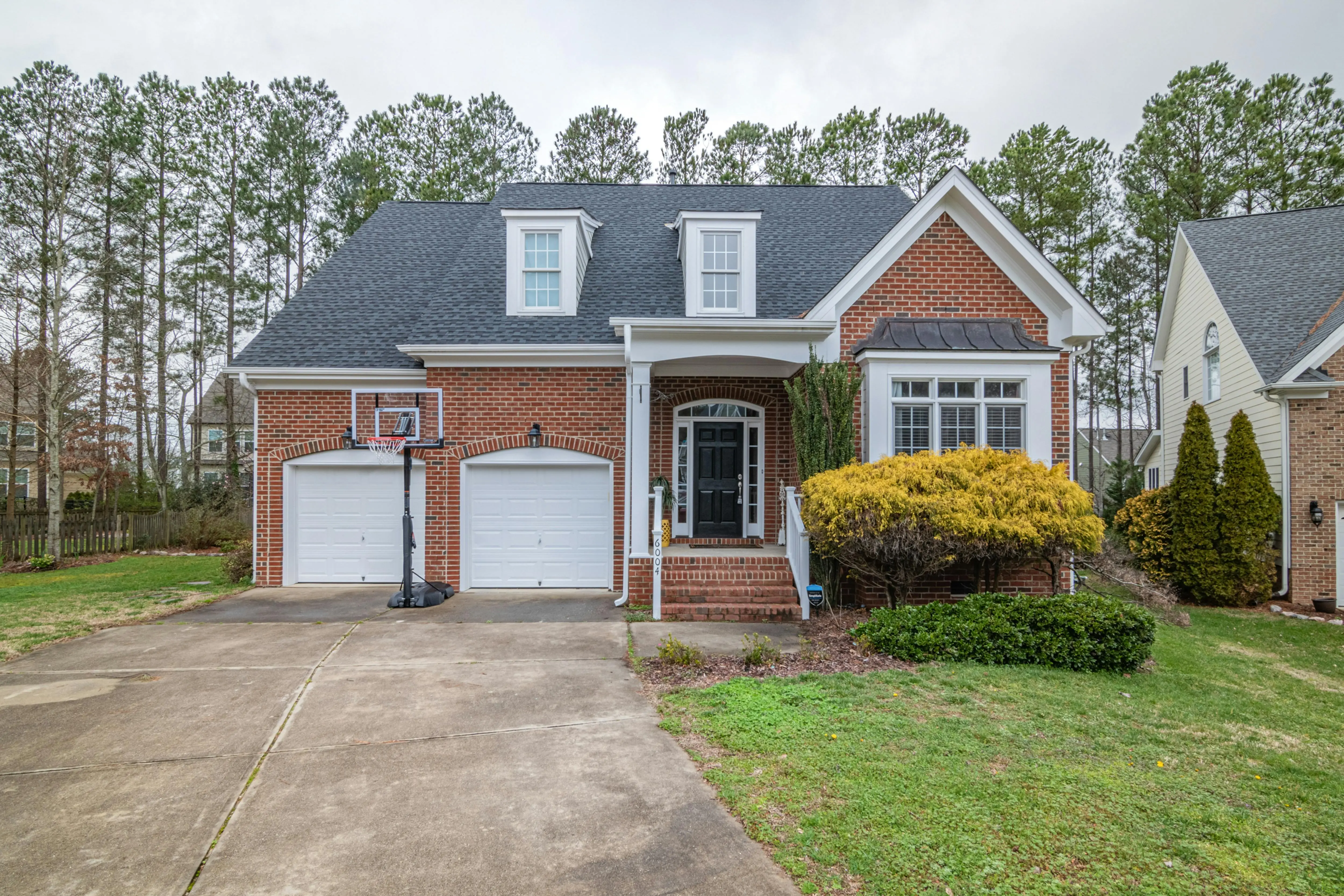
Why Smart Driveway Lighting Is the Next Upgrade Every Homeowner Should Consider
Pulling into a dark driveway is more than an inconvenience—it’s a safety risk. Tripping on the edge of a paver, missing a patch of ice, or fumbling for keys in the shadows happens every night across the country. Driveway Alexa and Google Home compatible lights solve the problem at the sound of your voice or the tap of an app. They also add curb appeal, deter intruders, and raise property value.
Below you’ll find a homeowner-friendly guide that covers product types, installation paths, costs, and pro tips so you can choose, install, and enjoy smart driveway lighting without guesswork.
Top Benefits of Driveway Lights That Work With Alexa & Google Home
Hands-Free Safety
Arms full of groceries? A simple “Alexa, turn on driveway lights” floods the path before you step out of the car. No switches, no phone hunting.
Security on Autopilot
Pair motion sensors with voice routines: “Hey Google, activate security mode” can turn on all driveway fixtures, start recording on linked cameras, and even raise smart shades inside so you can see what’s happening.
Curb Appeal & Resale Value
Realtors repeatedly list exterior lighting as a top-five ROI upgrade. Color-changing LED smart bulbs let you switch from warm-white elegance for guests to festive colors for holidays—all without climbing a ladder.
Energy Savings
Wi-Fi or Zigbee LEDs draw up to 80 % less power than old halogen floods. Add scheduling so lights burn only when needed and you’ll shave dollars off every electric bill.
Popular Smart Driveway Light Styles (and Which One Fits Your Layout)
In-Ground Well Lights
Flush-mounted bronze or composite fixtures sit level with the driveway surface. Ideal for uplighting pillars or trees lining the entrance. Choose IP67-rated housings to survive snow plows and pressure washers.
Bollard & Post Lights
24–42 inch aluminum or powder-coated steel posts cast a 360° glow that defines the driveway edge. Great for gravel or ribbon driveways where you need visual boundaries.
Wall-Mounted Flood or Bullet Lights
Attach to garage flank or perimeter fence. Swivel heads let you aim 1,000–2,500 lumens exactly where tires meet asphalt. Pick fixtures with 2700–3000 K warm-white for hospitality feel or 4000 K for crisp security vision.
Smart Bulbs vs. Smart Fixtures
- Smart bulbs: Screw into any weatherproof E26 base. Budget-friendly but dependent on the fixture gasket staying intact.
- Smart fixtures: Have the radios built-in. Cost more up front, last longer, and deliver cleaner aesthetics with no visible bulb silhouette.
Alexa vs. Google Home: Protocols You Need to Know Before You Buy
Wi-Fi (2.4 GHz)
Easiest set-up. Bulb connects directly to your router. Downsides: range can drop at the edge of long driveways, and too many devices may bog down a basic router.
Zigbee
Amazon Echo Plus, Echo Show 10, and Google Nest Hub Max double as Zigbee hubs. Mesh network repeats signal from one light to the next, pushing control 200+ ft down the pavement without new wiring.
Thread & Matter (Future-Proofing)
Released late 2022, the Matter standard lets lights carry the Thread mesh and talk natively to both Alexa and Google. Buying Thread-ready fixtures today prevents a second purchase in three years.
Bridge vs. Bridge-Less
Philips Hue and some low-voltage kits require a bridge plugged into your router. Budget an extra $50–$60 for the hub if the bundle doesn’t include it.
Installation Options: DIY, Low-Voltage Kits, or Full 120 V Hardwire
Plug-and-Play Solar Smart Lights
Ring, Lumary, and Govee sell solar path lights with built-in Alexa Wi-Fi. Zero trenching, but brightness tops out around 200–300 lumens. Best for mild climates with 4+ hours of sun daily.
Low-Voltage (12 V) LED Kits
- Layout fixture positions, run bundled 14 AWG cable along driveway edge.
- Stake or mount lights, daisy-chain cable, and add a smart transformer.
- Plug transformer into a GFCI outlet; pair the Wi-Fi module with Alexa or Google.
Safe to bury only 6 in deep—no conduit required in most townships. Expect 500–900 lumens per fixture, enough to light a 12-ft wide driveway every 8 ft.
120 V Hardwire (Pro Install)
Delivers maximum brightness (1,200–2,500 lumens) and supports motion sensors up to 30 ft high. Requires trenching 18 in deep, THWN wire in PVC conduit, permits, and a licensed electrician. Typical cost $70–$110 per linear foot but adds permanent value.
Step-by-Step Planning Checklist
- Measure total driveway length and note existing 120 V outlets or junction boxes.
- Decide spacing: 6–8 ft for path lights, 20–30 ft for floods, 12–15 ft for bollards.
- Check local codes: most municipalities allow low-voltage without permits; 120 V always needs a permit and inspection.
- Test Wi-Fi signal at the street. If you drop below two bars, add an outdoor extender or choose Zigbee/Thread lights.
- Create Alexa & Google routines before installation. It’s easier to rename devices while you’re warm inside rather than in a dark trench.
Realistic Cost Breakdown (2024 National Averages)
- Solar smart path light (1): $40–$70
- Low-voltage LED kit (8 fixtures + transformer): $350–$600
- Hardwired smart flood fixture (1): $120–$250 plus $250–$400 electrician labor
- Professional design & install package (low-voltage, 10 lights): $1,200–$1,800
- Annual energy cost (12 W LED on 6 hrs/night @ $0.13/kWh): ≈ $3.40 per fixture
Tip: bundle the project with seasonal driveway sealing or paver sealing to negotiate a lower combined labor rate.
Quick Troubleshooting Guide
Light Not Responding to Voice
Confirm the device name is unique—avoid “Driveway Light 1.” Rename to “Front Driveway Flood” in the Alexa/Google app, then run “Discover Devices.”
Flickering or Going Offline
Most Wi-Fi smart bulbs need ≥ −70 dBm signal. Use a free Wi-Fi analyzer app; if you’re at −80 dBm, add a weatherproof extender in the garage.
Sensor Triggering Too Often
Point motion sensors 2–3 ft above the pavement to ignore cats. Reduce sensitivity in the app or create a time-based routine that disables motion after 11 p.m. if you have late-shift traffic.
Low-Maintenance Routine to Keep Lights Looking New
- Quarterly: rinse fixtures with a garden hose to remove salt and grit.
- Annually: apply automotive UV-protect spray on plastic lenses to prevent yellowing.
- Every two years: re-sync firmware and check O-ring seals; add silicone grease if brittle.
- After heavy snow: confirm solar panels and motion domes are clear; use a plastic shovel edge, not metal.
Frequently Asked Questions
Not always. Wi-Fi bulbs connect directly to your home network and work with any Echo or Google Nest device. Zigbee or Thread lights need a compatible hub (Echo Plus, Nest Hub Max, or standalone bridge). Check the product spec sheet before purchase.
Yes. Once each light is discovered in the Alexa or Google Home app, you can group them under a single name like “Driveway Lights.” Routines will trigger the whole group regardless of brand, as long as all devices are visible in the same ecosystem.
Choose fixtures rated IP65 or higher for water resistance and IK08 for impact. In-ground lights should be IP67. Cold itself won’t hurt LEDs, but repeated freeze-thaw can shift soil; check stake-mounted fixtures each spring and reseat if tilted.
Standard 12 V landscape cable only needs 6 in of cover. Edge the trench with a flat shovel, drop the cable, and push the sod back. No conduit is required in most jurisdictions, but always verify local codes before digging.