
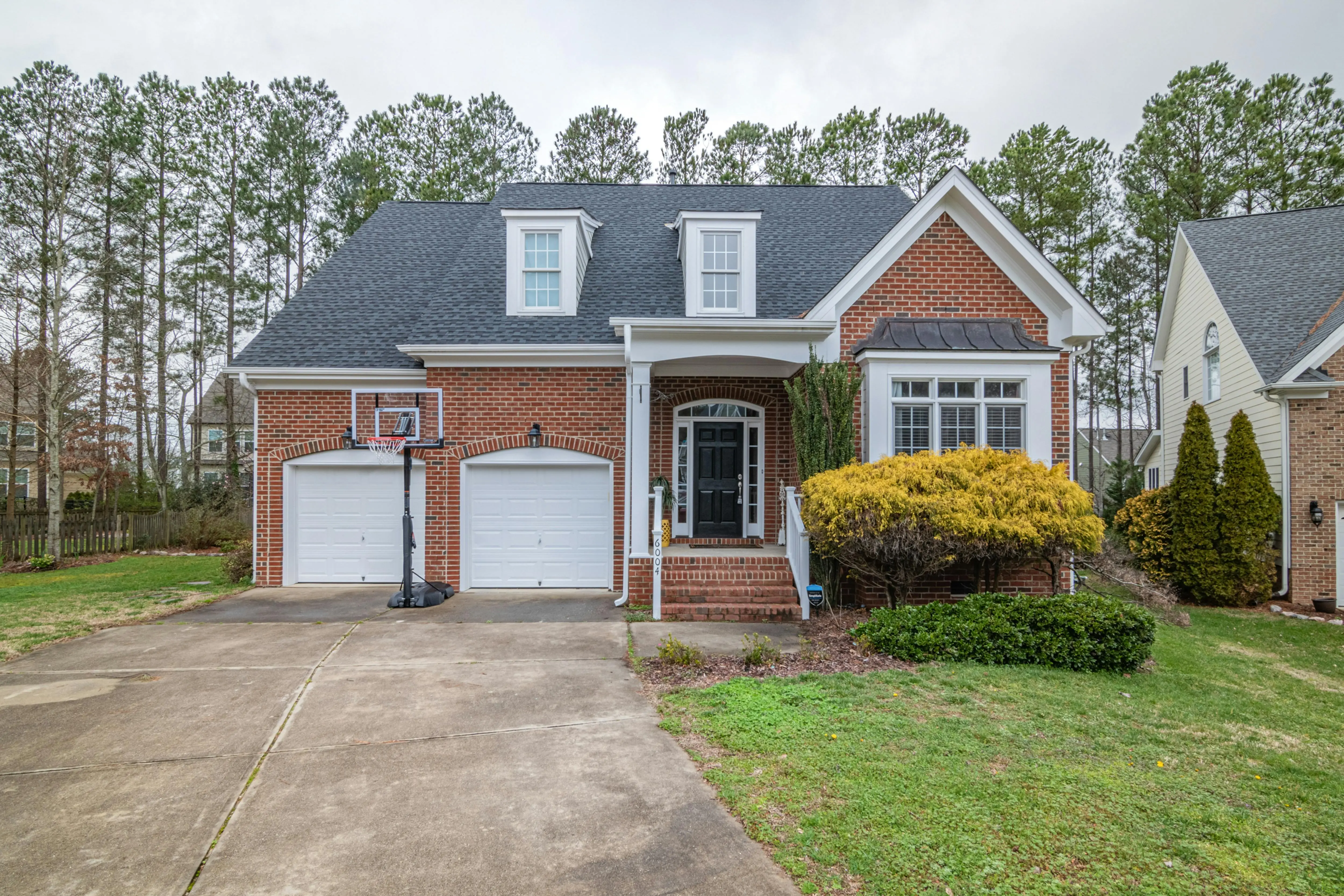
What Driveway Alarm Systems and Motion Sensors Actually Do
A driveway alarm is the outdoor version of a doorbell: it tells you the moment someone (or something) enters your property. Pair it with motion sensors and you get a smart, always-on gatekeeper that records, lights-up, pings your phone, or even talks to visitors before they reach the front steps.
Whether you live on a quiet cul-de-sac or a rural road with a 300-ft lane, today’s driveway security tech can:
- Alert you to delivery drivers so packages don’t sit in the rain.
- Trigger path lighting so you and guests never walk in the dark.Startle prowlers with sirens or spotlights before they reach the garage.
- Log vehicle counts for short-term rental properties or Airbnbs.
How Driveway Alarm Systems and Motion Sensors Work
The Three Core Parts
- Sensor – Detects heat, metal, vibration, or a break in an invisible beam.
- Transmitter – Sends a radio, Wi-Fi, or hard-wired signal to the receiver.
- Receiver – Sounds a chime, pushes a phone alert, turns on lights, or records video.
Detection Technologies Explained
- Passive Infrared (PIR) – Senses body heat up to 40 ft away. Best for foot traffic; can miss slow-moving cars on cold nights.
- Magnetic Probe / Vehicle Sensor – Buries parallel to the drive and picks up moving metal only. Ignores pets, deer, and wind-blown leaves.
- Rubber Air-Hose – Cheap, installs across the surface like a gas-station bell. Great for counting axles; can crack in snowplow climates.
- Break-Beam – Two small posts create an IR beam; anything that breaks it triggers. Needs line-of-sight; keep shrubbery trimmed.
- Radar / Dual-Tech – Uses micro-waves plus PIR to cut false alarms but costs more.
Top Benefits for Homeowners
- Early Warning – Adds 10–30 seconds of reaction time before a visitor knocks.
- Package Protection – Get a ping, turn on lights, speak through a two-way camera: “Leave it by the bench, thanks!”
- Insurance Perks – Many carriers shave 5-10 % off premiums when you document a monitored system.
- Child & Pet Safety – Know instantly if a toddler or dog darts toward the street.
- No More Blind Curves – Rural drives with tall hedges finally have “eyes.”
Choosing the Right System
Match the Sensor to Your Driveway
- Short, straight asphalt – One PIR camera with 120° lens covers the whole mouth.
- Long gravel lane – Bury a magnetic probe 50 ft in; add a solar break-beam at the gate for redundancy.
- Circular stamped-concrete court – Use dual-tech post lights to keep aesthetics clean and avoid false alarms from radiant heat.
Power Options
- Solar + Battery – Zero trenching; just wipe the panel quarterly.
- Hard-wired 12 V – Reliable in heavy snow; hire an electrician if you don’t have an outdoor outlet.
- Replaceable lithium – Good for shaded drives; expect 8-12 months per set.
Range & Signal Obstacles
Manufacturers list “open-air” range. Subtract 30 % for each wall, tree line, or parked RV between sensor and house. If your drive bends behind a hill, choose a model with a 1-mile rating or add a wireless repeater halfway.
DIY Installation Tips
Where to Place the Sensor
- Mount PIR units 7–8 ft high to stop raccoons from triggering them.
- Angle the lens 45° across the drive, not straight down, to catch lateral movement.
- Keep probes 2 ft from steel edging or culvert pipes to avoid constant pings.
Trenching for Probes
- Mark utilities (call 811).
- Cut a 3-in-deep slit with a flat spade or sidewalk edger.
- Lay probe in PVC conduit for rodent protection.
- Backfill with dirt, tamp lightly, then top with matching gravel.
Pairing with Smart Home Hubs
Most Wi-Fi cameras work with Alexa, Google, or HomeKit. For proprietary 433 MHz alarms, buy a $25 bridge that converts radio to Wi-Fi so you can still get phone alerts.
Simple Maintenance Schedule
- Monthly – Wipe lenses and solar panels with a damp microfiber.
- Quarterly – Trim weeds that grow into the detection path.
- Fall – Re-level posts after frost heave; check battery voltage with a multimeter.
- Spring – Update firmware and swap in fresh lithium if voltage dipped below 3 V.
Typical Costs in 2024
| System Type | Price Range (kit) | Install Cost (DIY vs Pro) |
|---|---|---|
| Basic wireless PIR | $40–$80 | DIY free / Pro $150 |
| Magnetic probe kit | $120–$200 | DIY $0–$50 (trench) / Pro $300 |
| Multi-zone smart camera | $200–$400 | DIY free / Pro $250 |
| Full perimeter (4 beams + NVR) | $600–$1,200 | Pro $800–$1,500 |
Add $50–$100 if you need a 120 V outlet installed outdoors. Permit fees are rare for low-voltage but check HOA rules before you dig.
Quick Troubleshooting Guide
False Alarms Every Night
- Lower sensitivity dial by 25 % and test with a slow walk.
- Check for heat-reflective rock or metal trash-can lids in view.
- Swap PIR-only model for dual-tech or magnetic probe.
Missed Vehicles
- Cold engines emit less IR—mount sensor closer (within 20 ft) or switch to probe.
- Beam height may be above car hood; tilt down 10°.
Receiver Won’t Chime
- Re-pair the units (hold button 5 sec until LED blinks).
- Change receiver to a different outlet; circuit noise from freezers can jam cheap models.
Frequently Asked Questions
PIR sensors can trigger on large, fast-moving snowflakes or sheets of rain if sensitivity is maxed out. Magnetic probes and break-beams are immune to weather because they detect metal or a broken beam, not heat. If you live in snow country, bury a probe or switch to dual-tech models with adjustable sensitivity.
Yes. Look for a 433 MHz-to-Wi-Fi bridge (SkyBell, YoLink, Sonoff) or choose a Z-Wave probe sensor that pairs directly with SmartThings or Ring Alarm. Once linked, the driveway device becomes a “motion sensor” tile inside your current app and can trigger recordings, lights, or sirens just like your doorbell cam.
No. Many kits use point-to-point radio (433 MHz or 915 MHz) between sensor and indoor receiver. You’ll hear a chime even if the internet is down. Wi-Fi is only required if you want smartphone alerts, cloud storage, or integration with voice assistants.
Install the probe 4–6 inches below grade, parallel to vehicle traffic and at least 2 ft from steel edging or culverts. Cover with PVC conduit in rocky soil, then backfill and tamp lightly so the top layer of gravel matches the rest of your driveway.