
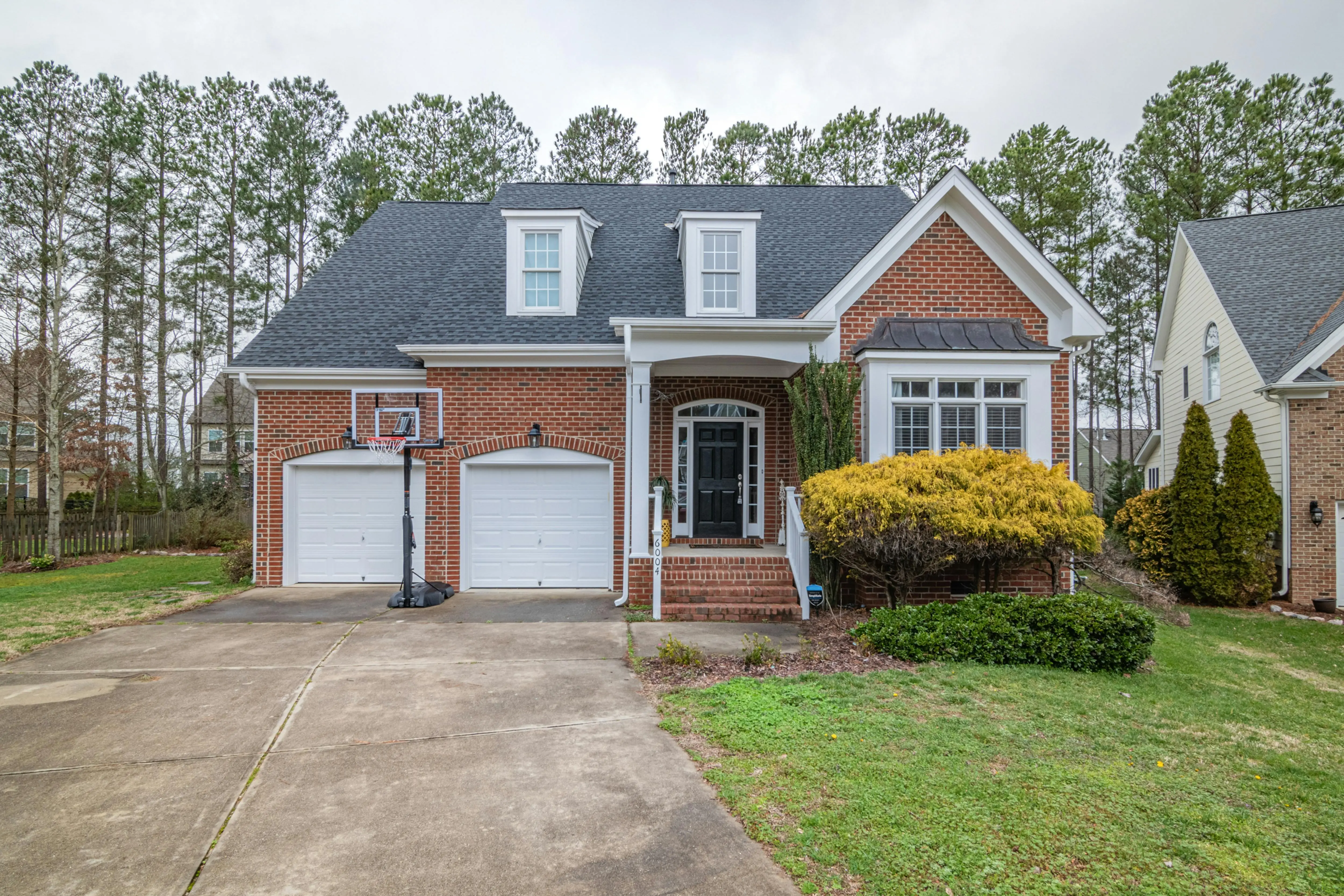
What “Driveway Airport Proximity” Really Means for Your Home
Living near a runway can feel like a perk—until you discover that your dream driveway extension or new RV pad might be illegal. The FAA (Federal Aviation Administration) sets strict height limits inside “airport approach surfaces.” If any part of your driveway, retaining wall, lighting pole, or even a basketball hoop penetrates that invisible plane, the project can be shut down mid-pour.
Below you’ll learn how to measure your property against FAA rules, what permits you need, and how to redesign a driveway so it stays low, safe, and valuable.
The Four Airport Zones That Touch Your Driveway
Every public-use airport publishes an “Airport Layout Plan” (ALP) that super-imposes four surfaces over local parcels. Driveways sit on the ground, but if the land itself is already above the limit, a standard 6-inch pour can push you into violation.
1. Primary Surface
A swath the width of the runway that extends 200 ft beyond each end. Nothing—trees, fences, driveway lights—can poke above the runway end elevation here.
2. Approach Surface
A flaring 3-D cone that starts at the primary surface and rises 20:1 (5%) for visual runways or 34:1 (3%) for precision approaches. A 4-ft high garden wall 1,000 ft from the runway can easily violate the 34:1 slope.
3. Transitional Surface
Slopes 7:1 (14.3%) upward and outward from the runway edges. Sloped driveways built on hillsides often break this limit when retaining walls are added.
4. Horizontal Surface
A flat “ceiling” 150 ft above the airport elevation that covers a 5-mile radius. A tall pergola or basketball goal can exceed this even when the driveway itself is compliant.
How to Check Your Property in 15 Minutes (Free)
Waiting for a surveyor is smart, but you can pre-screen your lot tonight.
- Open the FAA’s OEAAA website and click “Airport Search.” Enter the airport ID (e.g., LAX, ORD).
- Download the PDF “Airport Diagram” and “Part 77 Approach Plan.” Print the page that shows the runway ends.
- Overlay the approach surfaces on Google Earth:
- Open Google Earth Pro (free desktop version).
- Import the ALP as an image overlay, set transparency to 60 %.
- Draw a path from runway end into your neighborhood; set elevation units to feet.
- Click the “Terrain” profile and compare your driveway grade to the slope.
- If the driveway’s finished grade plus any structure is below the line, you are probably clear. If it kisses or crosses the line, move to a formal survey.
Permits You’ll Need—And Who Pays
Even a simple resurfacing can trigger a FAA Form 7460-1 (Notice of Proposed Construction) when you’re inside airport proximity. Cities issue the building permit only after FAA clears the notice—45–60 days.
Local Building Permit
Covers setbacks, storm-water, and driveway width. Typical cost $75–$250.
FAA 7460-1 Notice
Required when any part of the work:
- Exceeds 200 ft AGL (above ground level) anywhere, OR
- Pierces any Part 77 surface, even by 1 inch.
Filing is free, but most homeowners hire a surveyor or airport consultant ($400–$800) to prepare coordinates and obstruction drawings.
State DOT Aeronautics Permit
Some states (CA, FL, TX) add a second layer. Budget an extra $150–$300 and 2-week review.
Driveway Design Tweaks That Keep You Under the Slope
Violations aren’t just about tall lights; the driveway itself can be too high if the natural lot slopes upward toward the runway. Use these engineered fixes:
1. Lower the Grade
Cut-and-fill 6–12 in. to drop the finished elevation. Add a retaining wall on the downhill side so you don’t lose usable yard. Segmental block walls over 4 ft need geo-grid and an engineer’s stamp—add $15–$20 per sq ft.
2. Use Recessed Mounting for Lights
Instead of 24-in. path lamps, install 6-in. LED paver lights flush with the surface. They still meet Dark-Sky codes and keep the profile under 8 in.
3. Swap Pergolas for Stamped Texture
A decorative 4-ft pergola can read 60 in. above grade—enough to violate. Get visual interest with stamped cobblestone or slate patterns; they add 0 in. of height.
4. Offset Gate Pillars
Want masonry columns? Move them 3 ft outside the Part 77 surface (surveyors can flag the exact line). Columns on the neighbor’s side of the property line keep your drive compliant and still look symmetric.
Real Cost Examples From Recent Drivewayz Projects
Numbers include demo, base, asphalt or concrete, permits, and survey:
- Phoenix, AZ (KPHX approach) – 20×50 ft asphalt driveway lowered 8 in. to stay under 20:1 slope. Total $6,900 (add $1,100 for FAA survey and 7460-1).
- Orlando, FL (KORL) – 24×60 ft concrete drive with recessed lighting; 6-in. grade cut, 3-ft segmental wall. Total $11,400, including $900 state aero permit.
- Bozeman, MT (KBZN) – 12×30 ft gravel RV pad on downhill slope; no height issue but still filed 7460-1 because lot is 150 ft AGL. Survey only $550, pad $2,800.
Rule of thumb: add 8–15 % to normal driveway pricing for airport proximity compliance.
Does Airport Proximity Hurt or Help Property Value?
Realtor surveys show airport-adjacent homes sell for 5–9 % less on average due to noise, yet those same homes move 12 days faster because of commuter appeal. A compliant, well-built driveway with recessed lighting and low-profile walls actually signals “airport-ready,” erasing buyer fears of red-ttape headaches. Keep all permits in a folder; buyers’ lenders now ask for FAA clearance copies at closing.
Maintenance Tips Inside Flight Paths
Jet fuel residue and extra vibration call for slightly different care:
- Seal-coat asphalt every 3 years instead of 5; hydrocarbons soften binder faster.
- Use lithium-silicate densifier on concrete to repel oil drops from aircraft.
- Tighten retractable light housings annually; vibration loosens gaskets.
- Keep drainage swales clear; standing water reflects strobe lights and can distract pilots at night.
Frequently Asked Questions
If the resurfacing does not add height—e.g., a 2-in. asphalt overlay—you normally skip FAA. However, if you also install speed bumps, lighting poles, or a new apron that raises any point, file a 7460-1. When in doubt, measure; even 1 in. over the slope triggers the rule.
Standard aeronautical study is 45 days; “expedited” is not offered to residential driveways. Submit at least 60 days before your contractor’s schedule. Make sure coordinates are accurate—errors reset the clock.
No. FAA does not levy fines on homeowners directly, but the city can issue a “Notice of Violation” and require removal at your cost. Standard policies exclude compliance with aviation regulations. Budget for corrective work or add an endorsement for “ordinance and law” coverage.
Absolutely. The Part 77 surfaces include vegetation. Trim or remove any tree that will grow into the approach within 5–10 years. An arborist report predicting mature height is often attached to the 7460-1 filing.