
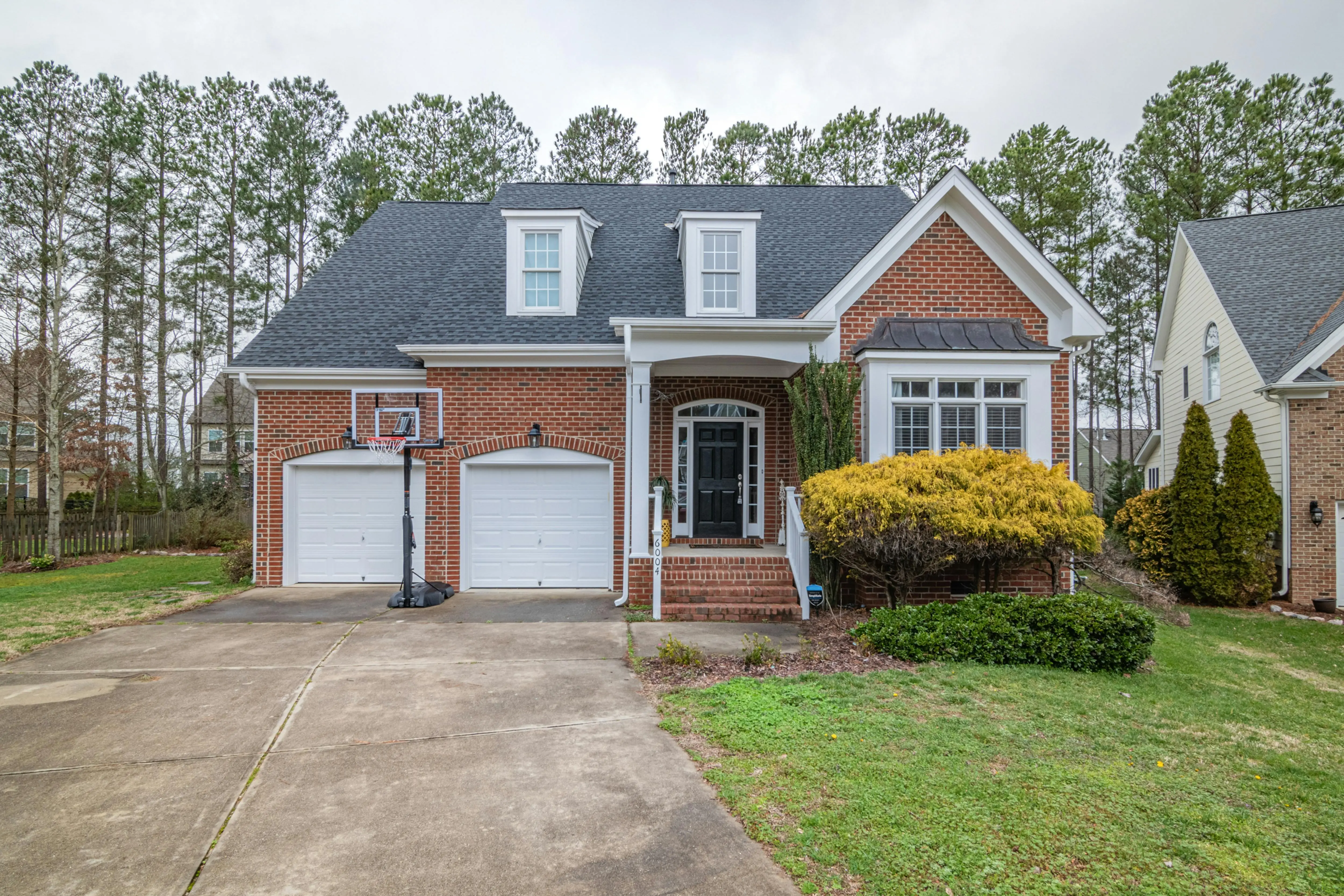
Why Aggregate Size Matters for Your Driveway
Choosing the right stone is the single biggest factor in how your driveway looks, drains, and stands up to daily traffic. Too fine and you’ll track dust into the house; too coarse and you’ll feel every bump. This Driveway Aggregate Size Guide walks you through the three main categories—fine, medium, and coarse—so you can pick the perfect blend for budget, climate, and curb appeal.
Fine Aggregate (⅛"–¼"): The Smooth Starter
What It Looks and Feels Like
Fine aggregate is essentially crushed stone that’s passed through a ¼-inch sieve. Think pea gravel on the large end and limestone screenings on the small. Particles are angular, so they knit together better than round river gravel and create a firm, walkable surface.
Best Uses for Fine Aggregate
- Top-dressing over a well-compacted base to fill surface voids
- Walkways or garden paths that border the main drive
- Final “locking” layer on fresh chip-seal drives
Pros & Cons at a Glance
- Pros: Smooth under tires, inexpensive, packs tight, great for ADA-friendly paths
- Cons: Tracks into garages, can rut under heavy vehicles, poor drainage if used too deep
Installation Tips
Spread no thicker than 1½ inches, then compact with a plate compactor in two passes. Lightly mist with water to activate fines and create a crust. Edge with steel or timber to prevent scatter.
Medium Aggregate (¼"–¾"): The All-Around Workhorse
What It Looks and Feels Like
Medium aggregate is the “Goldilocks” zone for most residential drives. Popular types include #57 limestone, ¾-inch granite, and recycled concrete. Stones are large enough to lock but small enough for comfortable walking.
Best Uses for Medium Aggregate
- Primary surface layer on driveways handling cars, SUVs, and light trucks
- Base course under asphalt or pavers
- Refresh layer every 4–5 years to restore color and fill ruts
Pros & Cons at a Glance
- Pros: Excellent drainage, widely available, resists tracking, hides minor stains
- Cons: Can shift on steep slopes, may require periodic raking
Installation Tips
Lay 2–3 inches deep over a 4-inch compacted base of crush-and-run. Crown the center ¼ inch per foot for drainage. Compact in 1-inch lifts to avoid future settling.
Coarse Aggregate (¾"–2"): The Heavy-Duty Option
What It Looks and Feels Like
Coarse aggregate ranges from golf-ball to tennis-ball size. Think #4 limestone or 1½-inch river rock. The jagged edges of crushed varieties interlock to create a skeleton that spreads wheel loads.
Best Uses for Coarse Aggregate
- Sub-base layer beneath medium aggregate or asphalt
- Farm lanes, RV pads, and steep driveways subject to erosion
- French drains or edge drains alongside the driveway
Pros & Cons at a Glance
- Pros: Highest load-bearing strength, superior drainage, resists washouts
- Cons: Uncomfortable to walk on, can damage snowblowers, not ideal for thin layers
Installation Tips
Install 4–6 inches deep in two lifts. Use a vibratory roller or jumping-jack compactor for edges. Top with 1 inch of medium aggregate if you need a smoother walking surface.
How to Pick the Right Size for YOUR Driveway
Step 1: Audit Your Traffic
Count the number and type of vehicles per day. Daily commuter sedan? Medium aggregate is fine. Occasional ¾-ton pickup? Add a coarse sub-base. Daily delivery trucks? Go full-depth coarse plus geotextile fabric.
Step 2: Check Your Climate
- Freeze zones: Use well-draining medium or coarse to avoid freeze-thaw heave.
- Heavy rain regions: Coarse base plus medium top prevents washouts.
- Arid climates: Fine top-dressing controls dust but needs periodic calcium chloride or lignin sulfonate binder.
Step 3: Match Your Aesthetic
Light gray limestone complements modern homes; warmer decomposed granite pairs with Craftsman styles; rustic river rock suits wooded lots. Order 5-gallon sample bags from your quarry before committing.
Maintenance Cheat Sheet by Aggregate Size
Fine Aggregate Upkeep
- Regrade high-traffic areas every spring
- Apply dust suppressant mid-summer
- Keep leaf blower handy; organic matter breaks down and creates mud
Medium Aggregate Upkeep
- Rake and top-dress every 3–4 years
- Fill potholes with fresh stone, not just gravel dust
- Edge once a year to keep stones out of lawns
Coarse Aggregate Upkeep
- Inspect after heavy storms; replace displaced stones
- Top with ½ inch of medium aggregate if surface becomes too rough
- Use a tractor box blade for quick re-leveling on long lanes
Ballpark Costs and Budget Hacks
Price per Ton Delivered (US Averages, 2024)
- Fine limestone screenings: $28–$35
- Medium #57 stone: $38–$45
- Coarse #4 stone: $42–$50
- Delivery fee (10–20 mile radius): $80–$120 flat
Money-Saving Tips
- Buy off-season (late fall) when quarries slow down.
- Split a 22-ton truck with a neighbor; most suppliers offer split-load rates.
- Use locally recycled concrete instead of virgin stone; it’s 20–30% cheaper and greener.
- Install geotextile fabric under coarse layer to reduce future maintenance costs.
FAQ: Driveway Aggregate Size Guide
It’s best to keep them in separate, well-defined layers. Mixing in the same layer creates voids that trap water and lead to frost heave. Lay coarse first for strength, then top with medium or fine for smoothness.
Coarse sub-base: 4–6 inches. Medium base/surface: 2–3 inches. Fine top-dressing: ¾–1½ inches. Always compact in lifts no thicker than 3 inches to achieve 95% standard proctor density.
Raising the scraper bar ½ inch and installing poly skid shoes prevents picking up stones. Coarse aggregate can nick augers, so a rubber-tipped snowblower or plow with a shoes kit is safer.
Most homeowners add ½–1 inch every 3–5 years for medium aggregate. Fine surfaces may need annual top-ups, while coarse sub-bases can last decades if properly covered.