
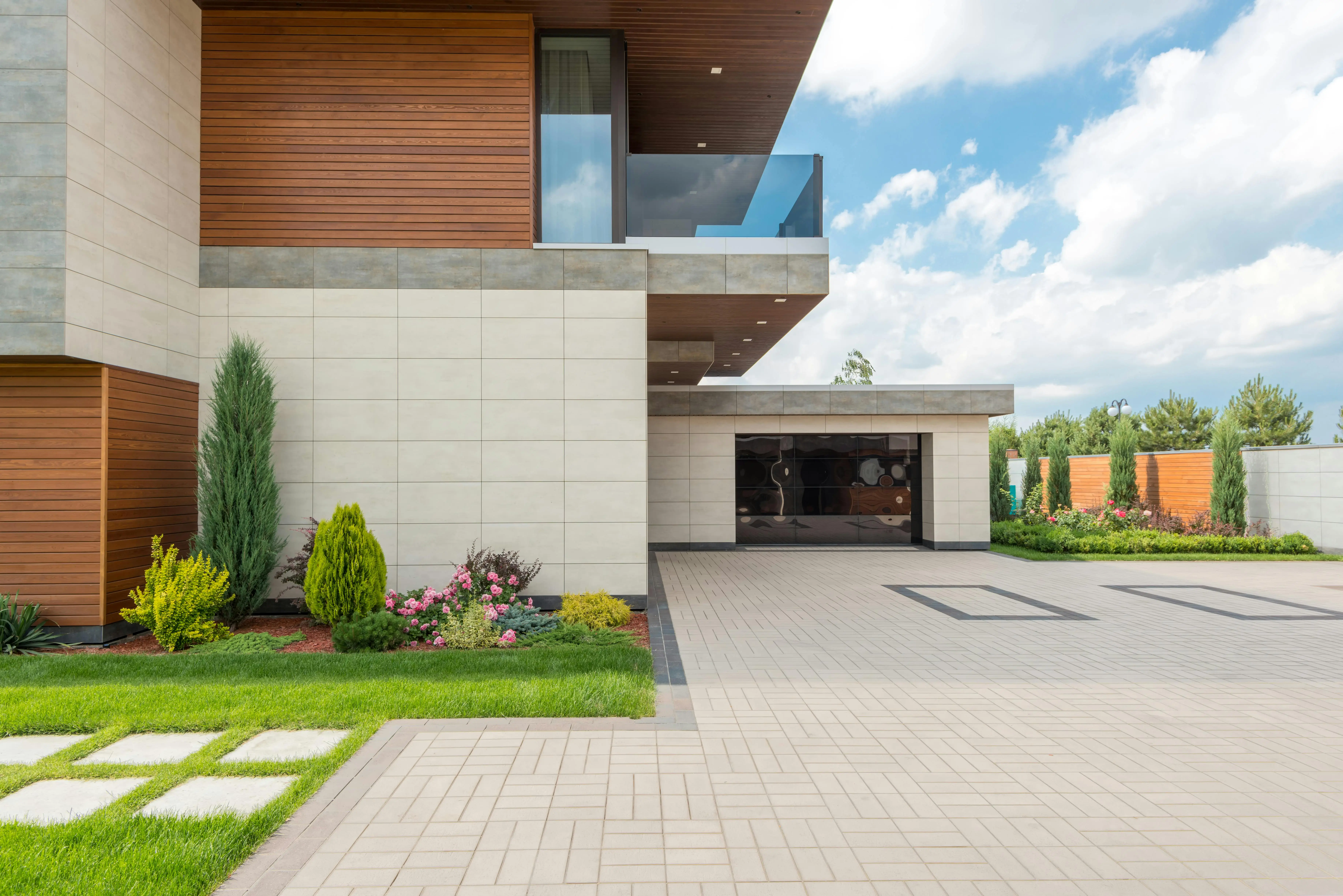
What Is Driveway Acoustic Emission Testing?
Driveway Acoustic Emission Testing (AET) is a non-destructive way to “listen” to the tiny stress waves that cracks give off inside concrete or asphalt. By placing small sensors on the surface, technicians can detect micro-fractures long before they open into the ugly spider-web pattern you see every spring.
Think of it like a stethoscope for your driveway. Instead of guessing where damage will show up next year, AET pinpoints the exact location and severity of internal cracking—often within 1–2 cm. Early detection means cheaper repairs, longer surface life, and fewer surprise potholes after the first freeze.
Why Homeowners Should Care About Early Crack Detection
A driveway replacement costs $8–$18 per square foot. Catching a crack while it’s still internal can drop the repair bill to $2–$4 per square foot. Beyond savings, early detection:
- Prevents water from reaching the sub-base, the #1 cause of freeze-thaw heave
- Keeps de-icing salts from migrating to rebar, stopping rust spalls
- Maintains curb appeal and resale value—buyers walk away from cracked drives
If your driveway is 5–15 years old, has heavy SUV traffic, or sits on clay soil, AET every 2–3 years is cheap insurance.
How Driveway Acoustic Emission Testing Works
Step 1: Sensor Placement
Technicians clean the surface with a quick pressure wash, then epoxy 4–8 piezoelectric sensors around the area of concern. Sensors are smaller than a hockey puck and don’t leave permanent marks.
Step 2: Controlled Loading
A loaded truck or weighted roller drives across the slab. The extra weight triggers microscopic movement inside hairline cracks, releasing high-frequency sound waves (30 kHz–1 MHz). Your dog won’t flinch—you won’t hear a thing.
Step 3: Signal Analysis
Software filters out background noise (wind, traffic, birds) and maps each “hit” by energy level and location. A traffic-light chart shows green for stable, yellow for growing cracks, and red for critical zones that need immediate sealing or stitching.
6 Signs Your Driveway Needs Acoustic Emission Testing Now
- Alligator patterns: Interconnected surface cracks that look like reptile skin.
- Joint spalling: Small chunks breaking off at control joints.
- Drainage reversal: Water ponds where it never used to.
- Tire thumping: You feel a bump when you drive in—indicates subsurface void.
- Neighbor’s construction: Vibrations from nearby excavation accelerate micro-cracking.
- Age 7–10 years: Even flawless-looking concrete can hide internal fractures after a decade of thermal cycling.
If two or more apply, book a test before winter sets in.
DIY Listening Devices vs. Professional AET
Amazon sells $99 “crack microphones.” They’re fun gadgets, but they miss quiet signals below 40 kHz—the exact range where driveway cracks first appear. Professional-grade sensors capture 20× more data points and come with calibrated software that meets ASTM E1316 standards.
Bottom line: DIY tools are toys. For legal documentation (warranty claims, home sale inspections) you need a certified technician.
What Does Driveway Acoustic Emission Testing Cost?
Most Drivewayz USA customers pay $250–$450 for a standard 2-car driveway (600 ft²). Factors that move the needle:
- Size: Each additional 1,000 ft² adds ~$75.
- Accessibility: Fences, tight gates, or steep grades may require portable wireless sensors (+$50).
- Reporting: A stamped engineering letter for real estate adds $100.
Bundle AET with a seal-coat the same day and we waive the $75 mobilization fee—essentially paying for half the test.
How to Prepare for a Technician’s Visit
48 Hours Before
- Move vehicles, trailers, and dumpsters 10 ft away from the test zone.
- Mark sprinkler heads so the weighted roller doesn’t crush them.
Day Of
- Keep pets inside—high-frequency chirps can annoy sensitive dogs.
- Unlock side gates; technicians carry 40-lb sensor cables.
After the Test
You’ll receive a color map within 24 hours. Red zones should be sealed or stitched within 30 days; yellow zones monitored annually. Green means relax—your driveway’s good for another season.
Repair Options Based on AET Results
Green Zone—Preventive
Budget $0.50/ft² for a high-solids acrylic sealer to keep water out.
Yellow Zone—Growing Crack
Route and fill with self-leveling polyurethane, $2–$3 per linear foot. Add fiberglass stitching pins if the crack is wider than ¼ in.
Red Zone—Structural
Full-depth concrete patching or asphalt infrared welding, $4–$8 ft². If sub-base is pumped, we inject polyurethane foam to re-stabilize soil, $6–$10 per ft².
How AET Extends Driveway Life
Data from 1,200 Drivewayz USA customers show drives that receive acoustic testing every 3 years last 27% longer—an average of 22 years versus 17 for untested neighbors. The math is simple: spend $350 now or $7,000 on replacement six years early.
Frequently Asked Questions
No. Sensors are attached with a removable epoxy that peels off cleanly with a plastic putty knife. We touch up any faint ring with matching antiquing release.
Wait 28 days for concrete to reach 90% design strength. Early testing captures shrinkage cracks that appear in the first year—ideal timing for warranty documentation.
Yes. Acoustic waves travel through the binder layer. We simply use lower-frequency sensors (30–60 kHz) to penetrate the extra thickness.
AET works in any dry condition above 35 °F. Rain creates surface noise that masks micro-signals, so we reschedule if pavement is wet.