
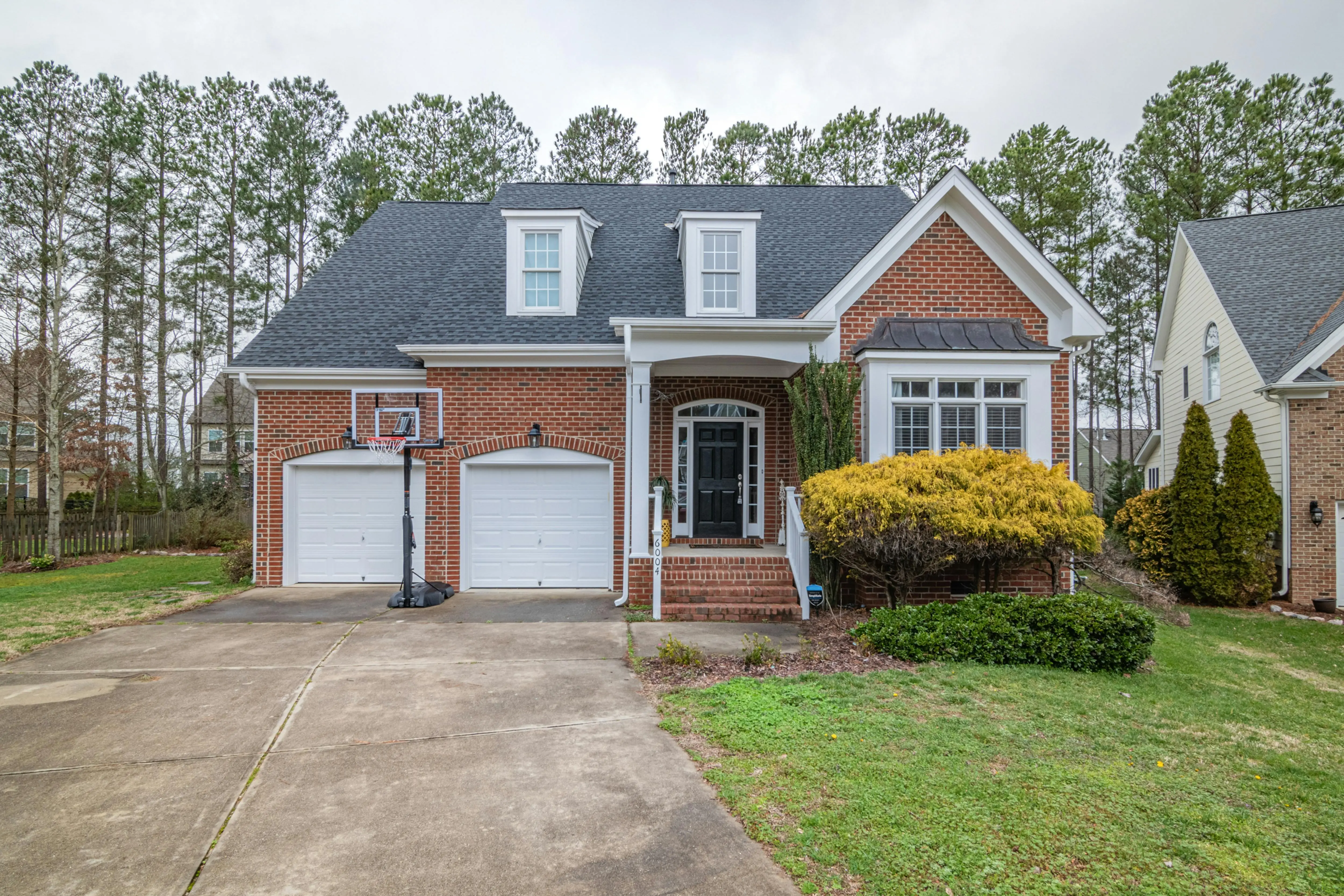
If you’re planning to connect your driveway to a public road, obtaining a driveway access permit for a municipal street connection is a critical first step. This permit ensures that your driveway is designed and constructed in a way that meets local safety, engineering, and traffic regulations.
What Is a Driveway Access Permit?
A driveway access permit is an official authorization issued by a local municipality or transportation authority. It allows property owners to legally connect their private driveway to a public street or road. This permit typically regulates:
- The width and design of the entrance
- The impact on sidewalks, curbs, and drainage systems
- The location of the driveway
- Safety considerations such as visibility and traffic flow
Why a Municipal Street Connection Permit Matters
Many homeowners underestimate the importance of a driveway permit. However, it plays a crucial role in maintaining public safety and infrastructure. A properly approved driveway ensures:
- Smooth traffic movement on public roads
- Safe entry and exit for vehicles
- Protection of public infrastructure like sidewalks and drainage systems
- Compliance with local building and zoning regulations
Skipping these steps can lead to penalties, project delays, or even removal of the driveway at your expense.
When Do You Need a Driveway Access Permit?
You will need a permit in several situations involving driveway construction or modification.
New Driveway Installation
If you are building a driveway that connects to a municipal street for the first time, a permit is mandatory.
Reconstruction or Repairs
Even replacing the driveway apron (the portion connecting to the street) may require a permit.
Altering an Existing Driveway
Changes such as widening, relocating, or redesigning your driveway require approval.
Change in Property Usage
If your property use changes (for example, residential to commercial), increased traffic may require a new or updated permit.
Understanding the Public Right-of-Way
The public right-of-way (ROW) is a key concept in driveway permitting. It refers to the land owned or controlled by the municipality for transportation and utilities. The section of your driveway that crosses this area is often called the driveway apron, which must comply with municipal standards. This is why permits are required even if the driveway is on your property.
Step-by-Step Process to Get a Driveway Access Permit
Obtaining a driveway access permit involves several important steps. While the exact process may vary by location, the general procedure remains similar.
1. Gather Required Information
Start by preparing essential details about your project:
- Proposed driveway location
- Property survey or layout
- Dimensions and design specifications
- Drainage and grading details
2. Submit the Application
Most municipalities require you to submit:
- A completed application form
- Site plans or sketches
- Applicable permit fees
Some areas may also request contractor information or engineering drawings.
3. Municipal Review
After submission, the local authority will review your application. They will evaluate:
- Driveway spacing and alignment
- Traffic safety and visibility
- Impact on drainage systems
- Compliance with zoning laws
4. Permit Approval
Once your application meets all requirements, the permit is issued. You may receive specific conditions that must be followed during construction.
5. Inspection and Final Approval
After construction is completed, an inspection may be required. Authorities will verify that the driveway matches the approved design before granting final approval.
Key Design Standards for Driveway Connections
Municipalities enforce design standards to ensure consistency and safety. While specifics vary, most guidelines include the following:
Driveway Width and Placement
- Minimum and maximum width requirements
- Proper distance from intersections and neighboring driveways
Visibility and Safety
- Clear sightlines for drivers entering and exiting the property
- No obstructions such as walls or vegetation blocking views
Slope and Drainage
- Driveways should slope away from the road
- Proper drainage to prevent water runoff onto public streets
Construction Materials
- Approved materials such as concrete, asphalt, or paving stones
- Reinforcement in high-use areas
Accessibility Requirements
- Compliance with accessibility standards when sidewalks are involved
Documents Required for a Driveway Permit Application
Common requirements include:
- Detailed site plan
- Property survey or plot layout
- Driveway design with measurements
- Drainage plan
- Contractor details (if applicable)
Incomplete applications are one of the most common reasons for delays.
Cost and Timeline for Permit Approval
Cost Factors
The cost of a driveway access permit can vary based on:
- Location
- Project complexity
- Inspection requirements
Processing Time
Approval timelines typically range from a few days to several weeks. Complex applications may take longer due to additional reviews.
Common Reasons for Permit Rejection
Understanding why permits get denied can help you avoid mistakes. Some common reasons include:
- Conflicts with utilities or public infrastructure
- Unsafe driveway location
- Improper drainage planning
- Poor visibility for drivers
- Missing or inaccurate documentation
Tips to Get Your Driveway Permit Approved Faster
A smooth approval process depends on preparation and accuracy. Here are some practical tips:
- Submit clear and detailed plans
- Follow local guidelines carefully
- Double-check all documentation
- Consult professionals if needed
- Communicate with local authorities early
Residential vs Commercial Driveway Permits
The requirements for driveway permits vary depending on the type of property.
Residential Driveways
- Simpler approval process
- Focus on basic safety and compliance
Commercial Driveways
- More detailed review process
- Higher traffic considerations
- May require traffic impact analysis
Understanding these differences helps you prepare the right documentation.
Post-Approval Responsibilities
Getting your permit approved is not the final step. Property owners are responsible for maintaining compliance even after construction.
This includes:
- Maintaining the driveway connection
- Ensuring proper drainage
- Seeking approval for future modifications
Failure to maintain compliance can result in penalties or required corrections.
Plan Your Driveway Project the Right Way
A driveway access permit for municipal street connection is more than just paperwork, it is a vital part of ensuring safety, legality, and long-term functionality. By understanding the permit process, following local standards, and submitting accurate documentation, you can complete your driveway project without unnecessary complications. Planning ahead and staying informed will help you achieve a smooth, hassle-free approval process while protecting both your investment and public infrastructure.