
Why Desert Driveways Need Special Attention
New Mexico and Arizona combine extreme heat, monsoon downpours, and alkaline soils—three forces that can crack, heave, or wash out an ordinary driveway in just a few seasons. Choosing the right materials, base design, and maintenance schedule will keep your driveway smooth and your repair budget low.
The tips below come from Drivewayz USA crews who have installed and maintained thousands of desert driveways from Albuquerque to Tucson. Use them as a checklist before you call a contractor or start a DIY upgrade.
Best Materials for Desert Driveways
1. Concrete: Add Air, Fiber, and the Right Cure
Standard 3,000-psi concrete will craze and spall when surface temps top 160 °F. Specify:
- 4,000-psi minimum compressive strength.
- 6–7 % air entrainment to absorb summer expansion and winter freeze-thaw in northern NM.
- Polypropylene or nylon fiber mesh to limit hairline cracks.
- Light-colored silica sand or white cement to reflect heat and reduce surface temp by up to 20 °F.
2. Asphalt: Go Hot, Go Thin, Seal on Time
Desert sun oxidizes asphalt binders within 18 months. Ask for:
- PG 76-22 or polymer-modified binder rated for 120 °F.
- 2-in. compacted thickness over a 4-in. crushed-rock base—thicker only invites rutting in soft spots.
- A light-colored slurry seal or chip seal with light limestone aggregate every 3–4 years.
3. Stabilized Decomposed Granite (DG): Cool and Permeable
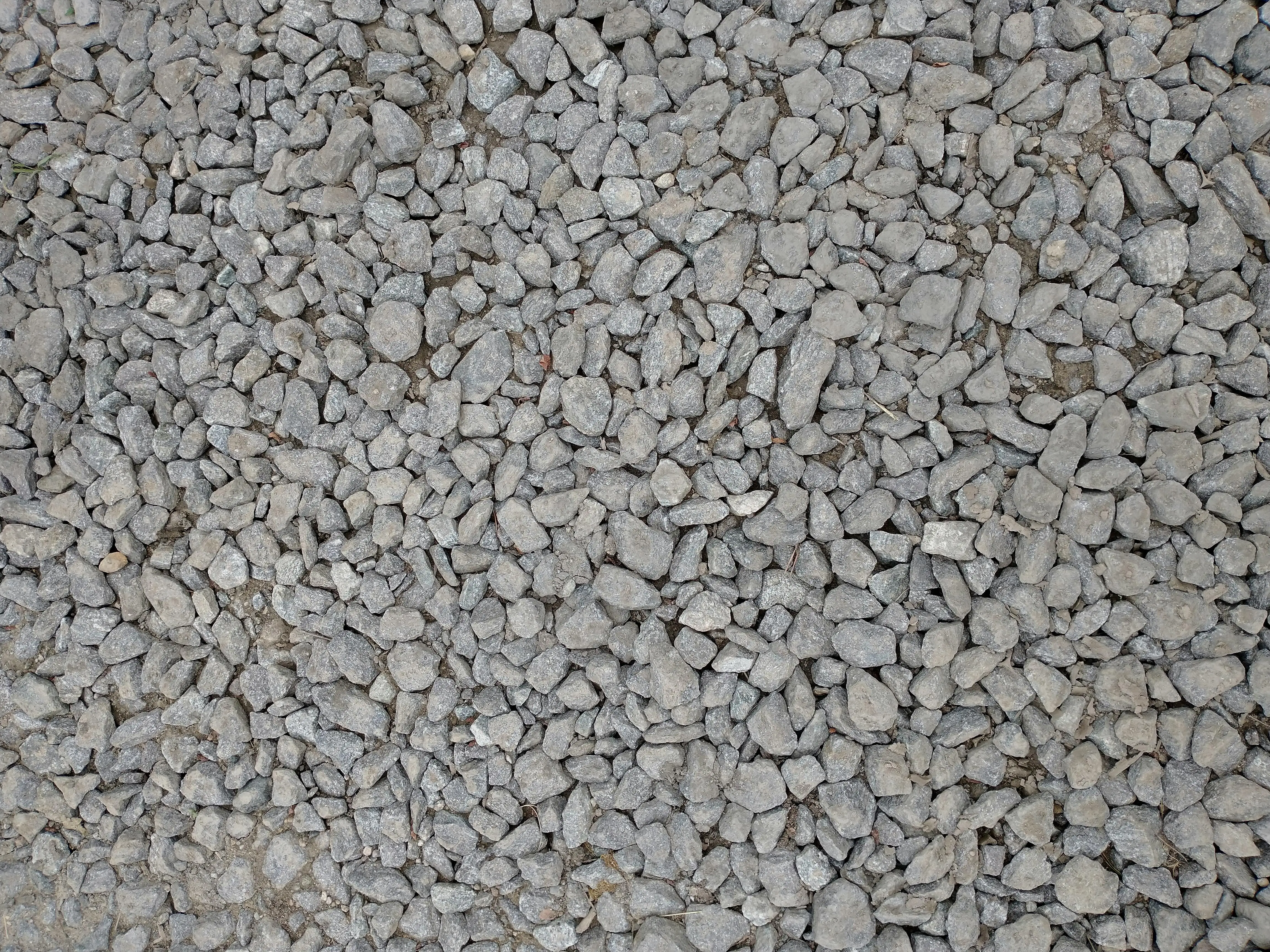
Tan and gold DG stays cooler than pavement and allows monsoon runoff to percolate instead of sheet-flow. Stabilize with 12 % liquid polymer binder by weight; compact in 1½-in. lifts. Edge restraints are mandatory—scorching heat softens polymer and can let DG migrate.
4. Permeable Pavers: LEED Points and Dust Control
Open-cell concrete pavers filled with gravel or grass reduce heat-island effect and meet many city storm-water credits. Pick pavers rated at 8,000 psi and use a ASTM #57 stone sub-base (12 in. minimum) to store sudden 2-in. monsoon bursts.
Building a Base That Won’t Shift
Test Soil First
Expansive clays around Phoenix and caliche in southern NM swell when wet. A simple jar test or local lab report (about $80) tells you how deep to excavate and whether geotextile is needed.
Layer-by-Layer Recipe
- Excavate 12–16 in. below finished grade (deeper if soil is expansive).
- Install woven geotextile to keep fines from pumping upward.
- Spread 6 in. of 1½-in. crushed rock; compact to 95 % Standard Proctor.
- Add 4 in. of ¾-in. rock; compact again.
- Top with 1 in. of screenings for final leveling.
Tip: Rent a plate compactor with a water tank—moisture is scarce on desert sites, and optimum moisture is critical for compaction.
Drainage Tactics for Monsoon Country
Crown or Cross-Slope?
A 2 % crown (¼ in. per foot) down the center sends water to both edges. If the driveway tilts toward the garage, use a 1 % cross-slope with a trench drain across the foot of the apron.
French Drains Alongside
Install a 4-in. perforated pipe wrapped in sock, set 6 in. below sub-grade, daylighting to the street or a dry well. Backfill with ¾-in. rock to act as a heat sink and keep the pipe cool.
Swales and Berms
Where lot grading is flat, sculpt a shallow swale (6 in. deep) on the low side and use spoils to berm the high side. Seed with native blue grama or buffalograss—roots stabilize the berm and require half the water of Bermuda.
Beating the Heat: Color, Texture, and Timing
Light Colors Matter
Dark asphalt can hit 180 °F; light limestone chip seal peaks at 140 °F. For concrete, choose “Sunrise” or “Sand” integral color; avoid charcoal or brick red.
Texture for Bare Feet
Around pools and front entries, use a sand-float broom finish or sponge finish on concrete—smooth enough for bare feet, rough enough for traction. Apply a clear UV-stable silane-siloxane sealer every two years to prevent dusting.
Best Pour Windows
Start concrete pours at 4 a.m. during summer; finish placement before 10 a.m. Keep trucks under shade tarps and use a mid-range water reducer (not extra water) to maintain slump below 5 in.
Low-Maintenance Schedule for Desert Driveways
Spring (March–April)
- Pressure-wash to remove alkali salts and pollen.
- Fill cracks wider than ¼ in. with polyurethane or hot-rubberized sealant.
- Reapply joint sand between pavers; mist with water to activate polymer binder.
Summer (May–August)
- Mist concrete or paver surfaces during 110 °F+ heat waves—30 seconds every two hours reduces surface temp by 15 °F and prevents thermal shock if monsoon rain follows.
- Keep oil drip pans under older vehicles; 140 °F asphalt softens and absorbs oil faster.
Fall (September–October)
- Seal asphalt after temps drop below 90 °F for three consecutive days—sealer adheres better.
- Inspect swales for erosion; add crusher fines and compact.
Winter (November–February)
- Northern NM: use calcium magnesium acetate (CMA) instead of rock salt for ice—salt eats concrete.
- Apply a second coat of UV sealer on colored concrete before strong winter sun angles intensify UV.
Ballpark Costs in NM & AZ (2024)
Plain 4-in. Concrete
$8.50–$10.00 / sq ft (Albuquerque) | $9.00–$11.00 / sq ft (Phoenix metro)
Stamped & Colored Concrete
$12.50–$15.00 / sq ft; add $1.00 for light-reflective pigment.
Chip Seal Over 4-in. Base
$2.75–$3.25 / sq ft; re-seal every 3–4 yrs at $0.75 / sq ft.
Stabilized DG
$3.00–$4.00 / sq ft installed; top-up and re-compact every 5 yrs ≈ $1.00 / sq ft.
Permeable Pavers
$9.00–$12.00 / sq ft; includes 12-in. open-graded base engineered for monsoon storage.
Permit Fees
Albuquerque $125 flat; Phoenix $185 + $4 per lineal foot of driveway frontage. Always call 811 for utility locates—free and required statewide.
City & County Rules You Can’t Ignore
Albuquerque & Bernalillo County
- Max impervious cover 70 % of front yard; permeable pavers don’t count toward limit.
- Right-of-way crossings require 6-in. concrete apron with #4 rebar grid.
Phoenix & Maricopa County
- Storm-water ordinance requires on-site retention for new driveways > 1,500 sq ft—permeable pavers or gravel strip solves this.
- No asphalt allowed in historic districts without design review.
Tucson & Pima County
- Water harvesting rebate up to $2,000 for driveways that direct runoff to landscape basins—include curb cuts in your plan.
Quick Pros & Cons Summary
Concrete
- Pros: 30-yr life, color stays cool, handles heavy vehicles.
- Cons: Up-front cost, cracks if joints spaced > 10 ft.
Asphalt
- Pros: Lowest first cost, smooth, easy patch repairs.
- Cons: Needs re-seal every 3 yrs, softens in 115 °F heat, sticks to shoes.
Stabilized DG
- Pros: Natural look, permeable, cooler surface.
- Cons: Tracks dust inside, not for steep grades > 8 %.
Permeable Pavers
- Pros: LEED credit, no puddles, city rebates.
- Cons: Higher install price, yearly vacuuming to keep pores open.
Desert Driveway FAQ
When ambient air temperature is forecast to exceed 105 °F within 24 hours of placement, switch to hot-weather concreting practices: pre-cool aggregates, use chilled mix water, set at dawn, erect shade tarps, and apply an evaporation retarder. Many ready-mix plants automatically add these measures June-August.
Yes—use ¾-in. minus crushed limestone or recycled concrete, then top with ½ in. of stabilized decomposed granite blended with 12 % liquid polymer. Compact both layers and keep surface lightly moist for the first week. A dust-suppressing polymer film forms and lasts 3-5 years before a light re-coat is needed.
If the base is open-graded (#57 stone) and at least 12 in. thick, sudden 2-in. downpours drain sideways instead of creating underground voids. Add geotextile under the rock to prevent fines from pumping up, and crown the surface 2 % so water exits quickly rather than ponding.
Every 3-4 years, or when the surface turns light gray and you start seeing “fingernail” sized aggregate popping loose. Use a polymer-modified asphalt emulsion sealer with 3 lbs of silica sand per gallon for traction. Avoid coal-tar sealers—they become brittle above 110 °F.