
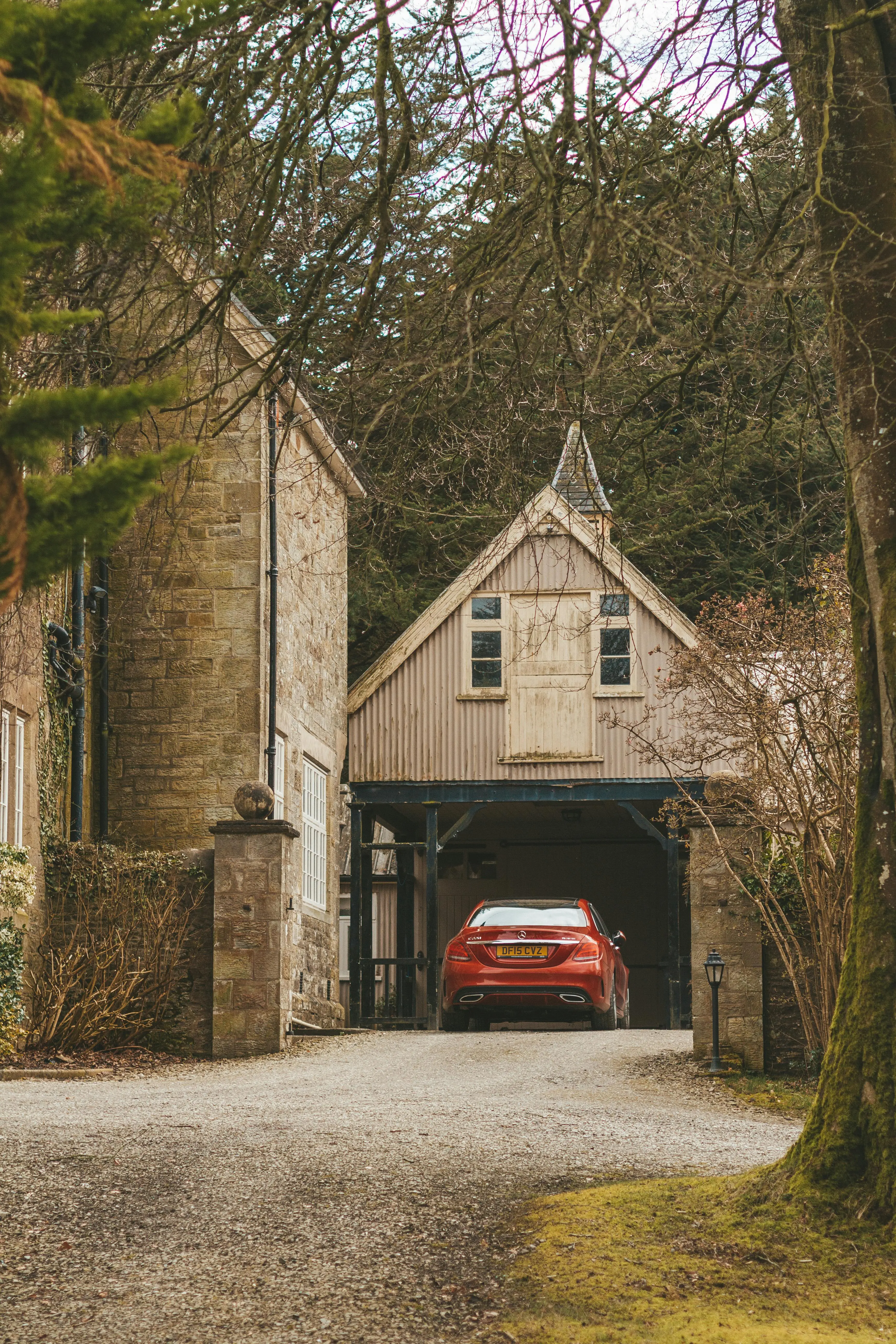
Concrete Driveway Cost in Rhode Island: What to Expect in 2026
Rhode Islanders love a crisp, clean driveway—especially when it stands up to freeze-thaw cycles, coastal salt, and the occasional nor’easter. If you’re planning to replace or install new concrete in 2026, the first number on your mind is probably price. Nationally, concrete driveway cost averages $8–$18 per square foot, but in the Ocean State a narrower range of $10–$16 per square foot is typical for a standard broom-finish, 4-inch thick slab.
That translates to $6,000–$9,600 for a 600 sq ft two-car driveway before any upgrades. In this guide we’ll unpack every variable—site conditions, material choices, labor rates, permits, and seasonal timing—so you can lock in a fair quote and avoid surprise line items.
2026 Price Breakdown for RI Homeowners
1. Core Material & Labor
- Ready-mix concrete (4,000 psi, 5–7% air entrainment): $135–$150 per cubic yard delivered in Providence County.
- Mill-and-deliver gravel base (¾” crushed stone): $28–$34 per ton.
- Skilled flatwork crew: $45–$55 per hour per finisher; most jobs need a 4-person team for one day.
On an average 24’ × 30’ (720 sq ft, 4” thick) driveway you’ll use about 9 cubic yards of concrete. Material + labor alone land near $4,800–$5,800.
2. Site Prep & Demolition
Rhode Island’s housing stock is compact; many drives butt against stone walls, mature trees, or utility poles.
- Asphalt tear-out: $2–$3 per sq ft (includes haul-away).
- Concrete tear-out: $3–$4 per sq ft (heavier, requires jack-hammering).
- Tree-root pruning or small retaining-wall adjustment: $400–$900 flat fee.
3. Reinforcement & Upgrades
| Add-On | 2026 RI Price | Long-Term Value |
|---|---|---|
| #5 rebar 18” OC | +$1.20/sq ft | Crack control on heavy clay soils common in Kent & Washington Counties. |
| 6% fiber mesh | +$0.65/sq ft | Micro-crack resistance; speeds up placement. |
| Integral color (earth-tone) | +$1.50/sq ft | Eliminates need for periodic seal-coat like asphalt. |
| Stamped border (ashlar slate) | +$8–$12/linear ft | Curb appeal; ROI 70–80% at resale. |
4. Permits &Inspection Fees
Every city/town follows the State Building Code SBC-4.
- Driveway permit (new or widening): $75–$150 (Providence $150, Warwick $100, South Kingstown $75).
- RI DOT bond if you touch a state road: $2,500 blanket bond (refundable).
- Inspection callback fee: $50 if inspector finds improper base depth.
Regional Cost Differences Inside Rhode Island
Even in the smallest state, geography matters.
Providence & Northern RI
Higher disposal fees at Central Landfill plus traffic delays add 5–8% to bids. Expect quotes at the top of the $10–$16 range.
Newport & Bristol Counties (Coastal High-Traffic)
Ready-mix plants are fewer; travel surcharges can hit $15 per load. Decorative stamped concrete is popular here—budget an extra $2–$4 per sq ft.
South County & Western RI
Loamy soil drains well, reducing base depth. Some contractors knock $0.50–$1 per sq ft off standard pricing, but travel time for specialized crews may offset savings.
Seasonal Timing: When to Pour for Best Price & Performance
Early Spring (March–April)
Contractors are hungry for work, but ambient temps below 40 °F require heated blankets and calcium accelerators—adds 8–10%. Only worth it if you lock a discount.
Late Spring to Early Fall (May–September)
Ideal curing weather. June typically sees the highest demand; book 6–8 weeks ahead. Prices plateau at mid-range.
Late Fall & Winter Pours
Most flatwork crews shut down by Thanksgiving. Emergency replacements may cost 20% premium and warranty coverage narrows.
DIY vs. Hiring a Pro: What Rhode Island Law Says
Homeowners can pour their own driveway, but you still need the permit and inspection. Mistakes are expensive: a 4-yard over-order of concrete wastes $540, while a cold joint because the truck was late can require full removal. Given the state’s short work windows, 90% of RI homeowners hire licensed flatwork specialists.
Smart Ways to Finance Your Driveway in 2026
- RI Energy Efficient Home Improvement Loan: 3.9% APR up to $15,000 if you include permeable paver strips for storm-water management.
- Pawtucket Credit Union GreenSense: 5-year unsecured, no collateral, rates 6.5–8% for credit scores 680+.
- Property-tax exemption: Newport offers 10-year abatement on hardscape that meets low-impact design—worth up to $500 savings annually.
Protecting Your Investment: Maintenance Costs & Schedule
Concrete is low-maintenance, not no-maintenance.
- Seal every 3–5 years: Penetrating silane-siloxane sealer costs $0.60–$0.90 per sq ft applied—DIY with roller in 3 hours.
- Winter deicing: Use calcium magnesium acetate (CMA) instead of rock salt; $20 bag covers 800 sq ft and prevents surface spalling.
- Control joint refill: If urethane joint sealant pulls away, budget $1.25 per linear ft to re-caulk—prevents water infiltration and freeze damage.
How to Choose the Right RI Concrete Contractor
- Verify RI Contractors’ Registration Board license (#XXXXX) and $1M liability insurance.
- Ask for recent references within 10 miles—drive by and look for uniform color and tight joint lines.
- Demand a written slump test certificate at delivery; 4-inch slump max for driveway durability.
- Compare apples-to-apples: same psi, same reinforcement, same warranty (minimum 2-year crack-free guarantee).
Return on Investment & Resale Value
Remodeling Magazine’s 2026 Northeast Cost vs. Value Report puts mid-range concrete driveway replacement ROI at 78%. In Providence’s competitive housing market, a stamped and colored border can boost curb appeal enough to recover 85–90% at sale, especially in East Side neighborhoods where off-street parking premiums are high.
Frequently Asked Questions
Four inches is the code minimum for passenger vehicles. If you regularly park a heavy pickup or boat, go 5 inches and add #4 rebar grid. On spongy coastal fill, a 6-inch thickened edge (12 inches wide) at the apron prevents cracking where driveway meets street.
Only if the asphalt is structurally sound and you install a bonded overlay with special epoxy agent. However, RI inspectors usually require full removal to verify base depth and ensure frost heave resistance. Full replacement costs 10–15% more but gives a 25-year life vs. 8–10 for an overlay.
Keep foot traffic off for 24 hours, lightweight cars after 7 days, and heavy trucks after 28 days when concrete reaches 90% design strength. Waiting the full month is especially important in late-fall pours where lower temps slow curing.
Standard HO-3 policies cover “sudden and accidental” damage—think tree strike or vehicle collision—but exclude settling, cracking, or frost heave. You can add a service-line endorsement for $30–$50/year that includes up to $10,000 for water-line or sewer-line excavation that tears up your drive.