
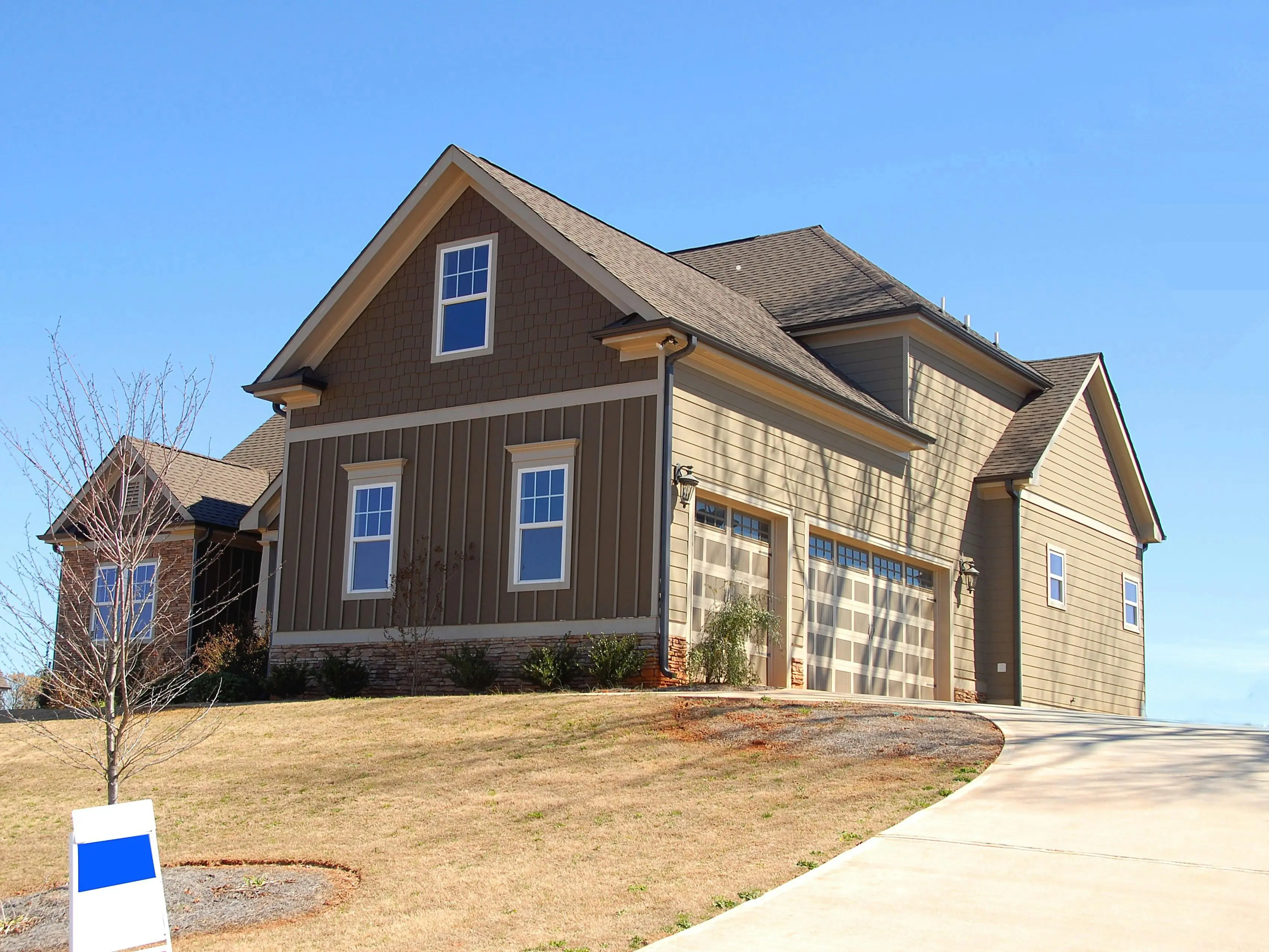
Colonial Home Driveways: Overview
Colonial homes deserve driveways that feel like they’ve always been there—stately, symmetrical, and built from time-tested materials. The right surface frames the house, handles modern traffic, and still nods to 18th-century craftsmanship. In this guide we’ll walk through the traditional materials that pair best with Colonial architecture, how to pick the one that fits your budget and climate, and what to expect for upkeep and return on investment.
Traditional Materials for Colonial Home Driveways
Authenticity starts with the stone, brick, or gravel that would have been locally available when these homes were first built. Below are the four historically accurate options most driveway contractors still recommend today.
1. Natural Cobblestone
Granite cobbles—hand-cut or tumbled—are the hallmark of early American streets. Laid on a compacted stone base, they create a rumble that announces guests before you see them.
- Pros: 100-year life span, instant heritage look, snow-plow resistant.
- Cons: Higher upfront cost, rougher ride for bicycles or strollers.
Pro tip: Specify 4–5 inch thick “jumbo” cobbles for driveway traffic; thinner pavers can crack under SUV weight.
2. Clay Brick Pavers
Brick driveways date to Colonial Williamsburg. Modern bricks are fired harder, so they resist freeze-thaw cycles and road salt.
- Color palette: Reds, burgundies, and “salmon” shades complement weathered cedar shutters and white trim.
- Pattern guide: Herringbone or running bond keeps the surface interlocked; basket-weave can shift under tire torque.
Seal or not? A breathable silane-siloxane sealer every 3–4 years deepens color without the plastic shine that ruins the period vibe.
3. Crushed Shell & Natural Gravel
In coastal and river towns, colonists used oyster shell or locally quarried gravel. Today, a blended mix of clam shell and bluestone fines still crunches like a 1740s carriage pull-off.
- Install geotextile fabric first to stop weeds yet allow drainage.
- Grade the drive with a 2 % crown so rain runs to the edges, not your foundation.
- Refresh the top ½ inch every two years; cost is minimal compared to hard paving.
Best for: Long lanes where asphalt would crack and budgets are tight.
4. Natural Bluestone Flagging
Large, irregular bluestone slabs create an Old-World courtyard feel. Joints are filled with pea gravel or creeping thyme for permeability.
- Thickness: 1 ½–2 inches for foot traffic; 2 ½ inches minimum for occasional car parking.
- Sub-base: 8 inches of compacted #57 stone prevents settling that can snap a slab.
How to Choose the Right Material for Your Colonial Home
Match the Region
A Massachusetts saltbox looks right with granite cobbles, while a Pennsylvania Georgian begs for local red clay brick. Ask your mason for stone harvested within 150 miles—color stays true to history and freight costs drop.
Consider Slope & Drainage
Steep grades over 12 % send gravel migrating downhill. In those sites, choose interlocking brick or set cobbles in a concrete ribbon for stability. Add trench drains at the apron to keep stormwater from undercutting the base.
Think About Snow Removal
Plastic shovels and rubber-edged plow blades prevent chipping brick or cobble edges. If you use a metal blade, set it ½ inch higher than the surface and follow with a calcium-chloride melt—rock salt eats clay pavers.
Cost Breakdown & ROI
Prices below include demolition of old asphalt, 8-inch stone base, and professional installation. Regional labor varies ±15 %.
- Crushed shell/gravel: $1.50–$3.00 sq ft
- Brick pavers: $12–$18 sq ft
- Granite cobble: $22–$30 sq ft
- Bluestone flagging: $25–$35 sq ft
ROI note: Realtor surveys show period-correct hardscape can add 5–10 % to a Colonial’s sale price, recouping up to 85 % of the install cost in high-value Northeast markets.
Maintenance Calendar for Colonial Home Driveways
Spring
- Rinse off winter salt within 48 hours of the last snow.
- Inspect joints—refill polymeric sand in brick or cobble gaps.
Summer
- Apply UV-stable sealer to brick or bluestone if fading appears.
- Spot-spray weeds in gravel before they seed.
Fall
- Blow leaves weekly; tannic acid stains light-colored stone.
- Check edging restraints—freeze-thaw can pop a whole row.
Winter
- Use plastic shovels first; keep a bucket of sand for traction instead of rock salt on brick or bluestone.
DIY vs. Professional Installation
You can lay a 12-foot gravel apron yourself, but anything that locks together—brick, cobble, stone—needs a plate compactor, laser level, and experience in laying patterns that transfer vehicle load. A 1-inch height deviation can buckle a brick course after the first thaw.
Rule of thumb: If the driveway sees daily passenger traffic, hire a certified ICPI (Interlocking Concrete Pavement Institute) or dry-stone waller for historic accuracy and a 5-year workmanship warranty.
Permits & Historic District Rules
Many Colonial homes sit in local historic districts. Before you order materials, file a Certificate of Appropriateness showing color samples, bond pattern, and edging details. Inspectors often require permeable bases to protect mature heritage trees. If you skip this step, the board can force removal and replacement at your cost.
Frequently Asked Questions
Not if it’s edged properly. Install a brick or granite cobble border and refresh the top layer annually. A crisp edge and raked surface read as intentional, not neglected.
Sweep in polymeric sand every two years; it hardens but stays flexible. For organic control, spot-spray white vinegar or use a flame weeder before seeds set.
Only if the slab is crack-free and slopes away from the house. A mortar-set cobble overlay adds 3 inches of height—check garage threshold clearance first. Otherwise, remove the concrete so the base can drain and prevent freeze-heave.
Reclaimed brick or granite lowers embodied carbon by 80 % versus new quarrying. Pair either with a permeable stone base to filter runoff before it reaches storm drains.