
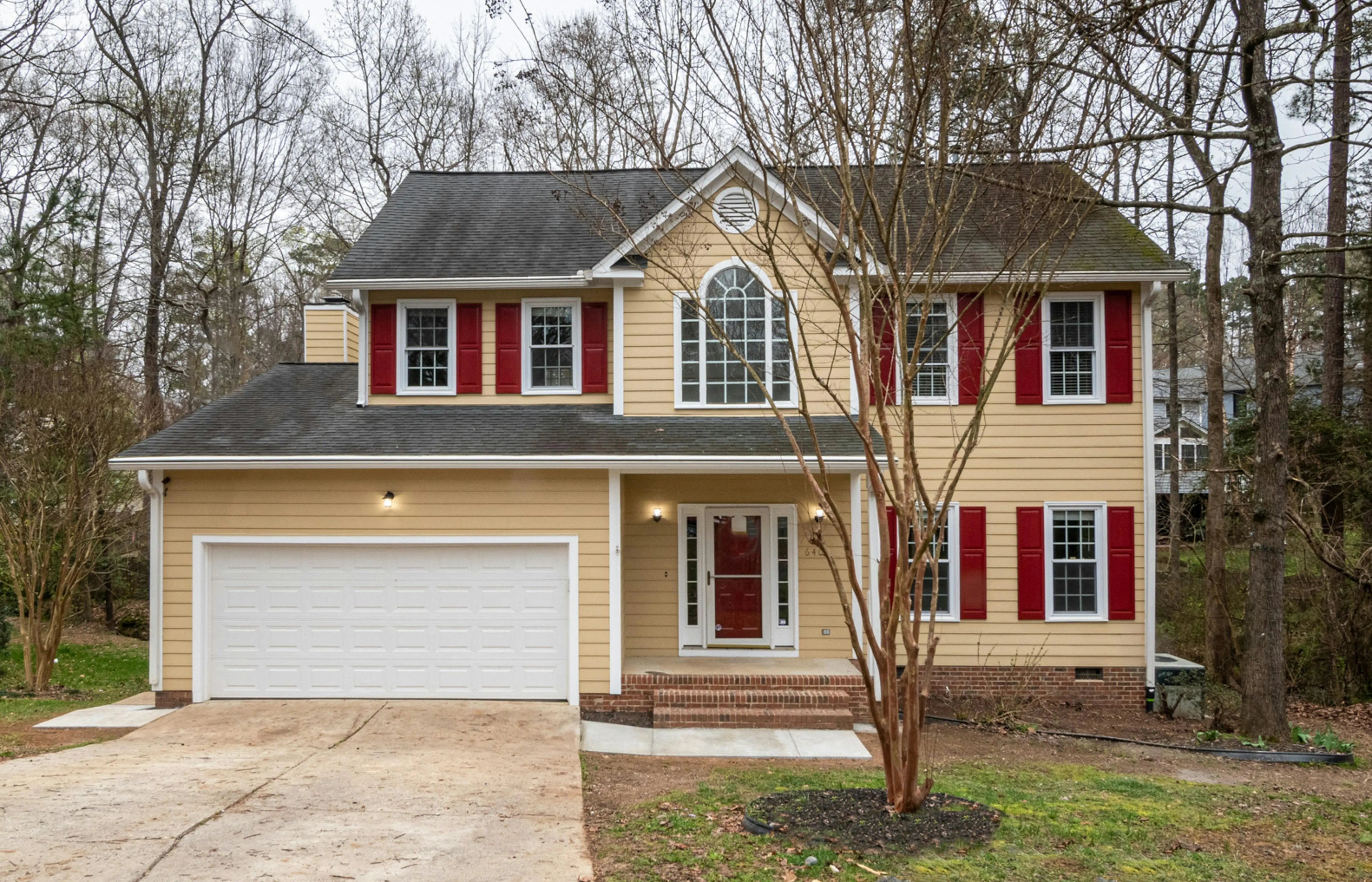
What Makes a Cobblestone Driveway Special?
A cobblestone driveway is more than a place to park—it’s the red-carpet moment for your home. Each hand-cut stone has lasted centuries in European villages, and the same durability now greets your guests with timeless charm.
Unlike asphalt or poured concrete, a true cobblestone driveway uses individual granite or basalt blocks, set tight enough to carry a car yet flexible enough to flex with freeze-thaw cycles. The result? A surface that can last 100+ years with nothing more than occasional sweeping and a rinse.
Key Benefits Homeowners Love
1. Curb Appeal That Raises Property Value
Real-estate agents routinely list “cobblestone driveway” as a premium feature. The textured surface photographs beautifully, adding instant perceived value—often 5-10 % above comparable homes with standard concrete.
2. Extreme Load-Bearing Strength
Granite cobbles rate 7–8 on the Mohs hardness scale. That means you can park a ¾-ton truck or a 30-ft RV without cracking. The weight actually helps the stones “seat” tighter.
3. Natural Drainage & Eco Points
When installed over an open-graded base, water percolates between joints, reducing runoff. Many cities now give storm-water fee discounts for permeable hardscapes.
Popular Cobblestone Driveway Styles
Traditional European Fan
Stones radiate from the garage in an arc. Best for wide driveways; hides minor grade changes and makes snow removal easier because the blade follows the curve.
Herringbone & Basket-Weave
Rectangular cobbles laid at 45° or 90° angles. Interlock resists creeping under tire torque—ideal for sloped sites.
Mixed-Width Random
Combines 4×4, 4×6, and 6×9 blocks for an old-world mosaic. Keeps the eye moving and masks oil drips.
Border & Ribbon Accents
Use darker charcoal cobbles as a 6-inch border, or run two ribbons the width of your tires. Adds definition without the cost of full coverage.
Planning Your Cobblestone Driveway
Measure Twice, Order Once
Driveways are sold by the square foot, but cobbles come by the pallet (usually 120–140 sq ft). Add 7 % for cuts and 5 % future repairs. A two-car driveway (20×40 ft) needs roughly nine pallets.
Check HOA & City Codes
Some historic districts require a specific stone source or pattern. Others cap impermeable coverage. File plans early; inspectors love seeing cross-section diagrams showing the permeable base.
Think About Snow & Sweeping
Raised cobbles grab plastic snow-shovel blades. Choose a pattern with tight joints (1⁄8–3⁄16 in) and set stones 1⁄4 in below garage floor height so a metal plow blade can glide without catching.
Installation: DIY vs. Pro
What a Pro Brings
- Plate compactor rated 5,000 lb, needed to lock stones.
- Diamond wet-saw for tight cuts around culverts or manholes.
- Laser transit to hit 1 % pitch for drainage without dips.
DIY Feasibility
Homeowners can lay a 200-sq-ft courtyard, but a 800-sq-ft driveway is 12–15 tons of stone plus 25 tons of base rock. Rental costs for compactors, saws, and a skid-steer often erase savings. Budget at least 40 labor-hours per 100 sq ft if you’re fit and have help.
Step-by-Step Snapshot
- Excavate 10–12 in below final grade.
- Install geotextile fabric to stop fines from migrating.
- Layer #2 open-graded stone (6 in), compact in 2-in lifts.
- Add 1-in bedding layer of ¼-in chipstone, screed to 1 % slope.
- Set cobbles by hand, butt tight, hammer with rubber mallet.
- Sweep polymeric sand or stone dust into joints, mist, and compact again.
Real-World Costs (2024 Averages)
Material Only
Reclaimed granite cobbles: $14–$18 sq ft. New tumbled: $10–$14 sq ft. Basalt: $9–$12 sq ft. Shipping can add $1–$3 sq ft if you’re land-locked.
Installed Price
Expect $24–$32 sq ft for a straightforward rectangle, $35+ for intricate patterns or tight site access. A 20×40 ft driveway (800 sq ft) runs $19,000–$26,000. Compare that to $6,000 for stamped concrete, but remember lifespan: cobblestones can last a century; concrete typically 25–30 years.
Hidden Extras
- Retaining edge restraint: $4–$6 linear ft.
- Geotextile fabric: $0.40 sq ft.
- Sealer (optional, darkens color): $1 sq ft every 5 years.
Low-Maintenance Care Plan
Seasonal Checklist
- Spring: Pressure-wash on low setting, re-sweep polymeric sand if joints look shallow.
- Summer: Spot-seal any oil stains with diluted degreaser; rinse within 10 min.
- Fall: Blow leaves weekly; tannic acid can etch granite if left wet all winter.
- Winter: Use calcium magnesium acetate (CMA) ice melt; rock salt dulls polish over decades.
Repairing a Sunken Stone
Pry up the stone, add ½ in chipstone, tamp with a hand stamper, reset stone, and re-sweep joint sand. Ten-minute fix, invisible result.
Cobblestone vs. Other Driveway Materials
| Feature | Cobblestone | Stamped Concrete | Pavers | Asphalt |
|---|---|---|---|---|
| Lifespan | 75–100 yrs | 25 yrs | 30–40 yrs | 15–20 yrs |
| Repair Ease | Single stone | Patch visible | Single paver | Seal & patch |
| Color Fade | None (natural) | Modest | Some | Significant |
| Initial Cost/sq ft | $24–$32 | $12–$16 | $16–$22 | $3–$5 |
Sustainability & Sourcing Tips
Choose Reclaimed First
Salvaged European street cobbles keep material out of landfills and carry authentic patina. Ask your supplier for “diamond 4×4 split” for the tightest joints.
Ask for Quarry Certification
Responsible quarries carry ANSI/NSC 373 sustainability certificates. Granite from these sites uses closed-loop water recycling and restored habitats.
Permeable Base Credits
Pair your cobblestone driveway with a permeable base and you may earn LEED or NGBS points—handy if you’re building a custom home with green certification goals.
Frequently Asked Questions
Steel blades can chip granite if set too low. Request a rubber or polyurethane-cutting edge on your plow service, and ask the operator to keep the blade ¼ in above the stone. After the first winter, any “polishing” on tire tracks actually helps the surface become smoother yet still grippy.
Yes. Once the contractor runs the final compaction pass and sweeps in joint sand, the interlock is complete. You can park your vehicle the same day—no curing time like concrete.
Use polymeric sand rather than regular mason sand. It contains a binding agent that hardens yet stays flexible. Spot-spray any rogue weeds with white vinegar; avoid glyphosate, which can stain lighter granite.
Granite has a natural coefficient of friction around 0.6—comparable to broom-finished concrete. Choose a flamed or thermal finish if you want extra grip, or lay the stones with the textured cleft side up.