
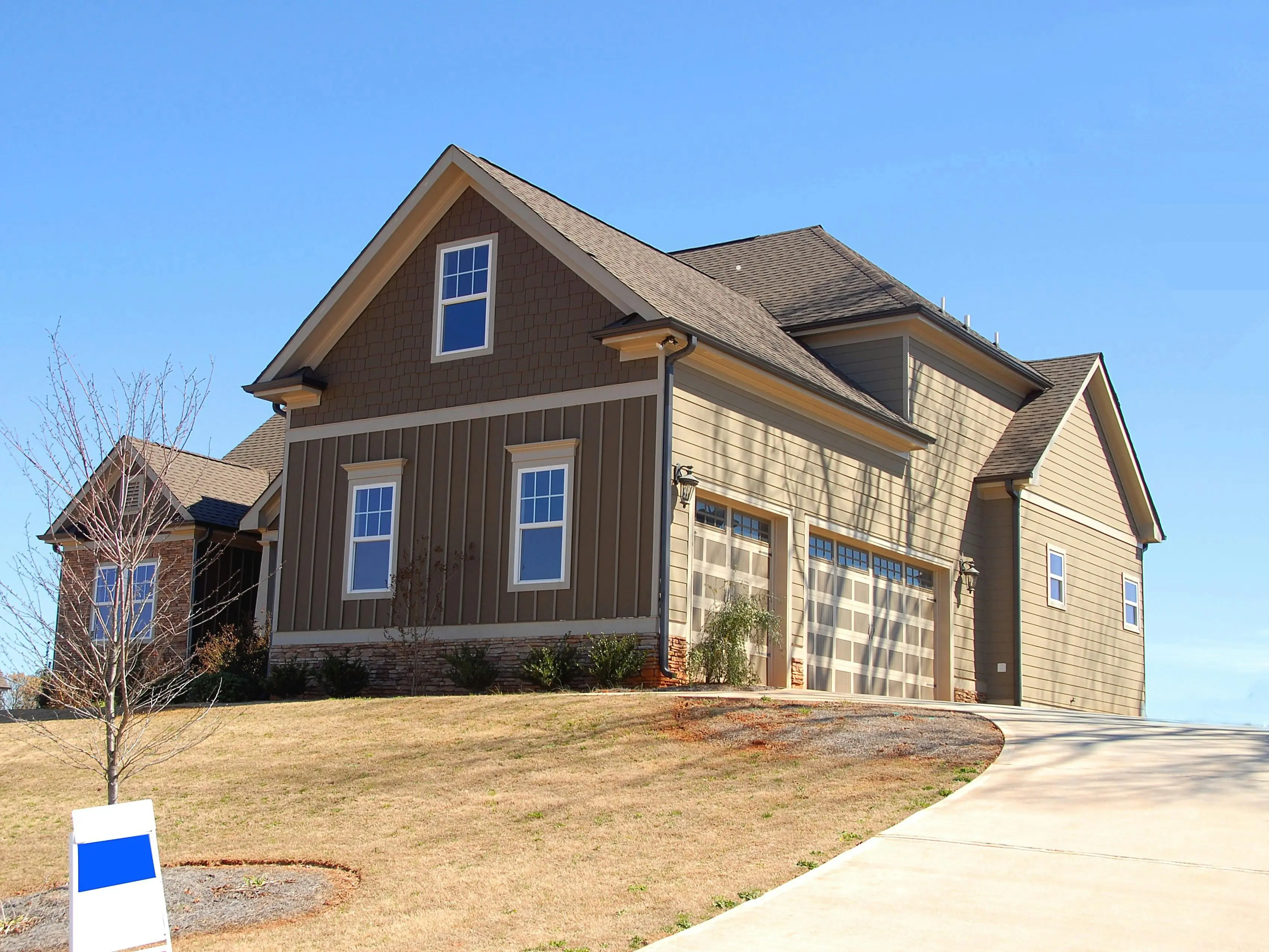
Why the Right Driveway Material Matters When You Sell
First impressions start at the curb. A crisp, level driveway signals “well-maintained” before a buyer ever steps inside. According to the National Association of Realtors’ 2023 Remodeling Impact Report, a new driveway delivers a 100 %–150 % cost-to-value recovery in most U.S. markets—higher than kitchens or decks. Choosing the best driveway material for resale value therefore isn’t just about aesthetics; it’s a strategic investment that shortens days-on-market and boosts final sale price.
The trick is balancing upfront cost, regional buyer expectations, and long-term durability. Below, we break down the top five materials, their ROI drivers, and the practical steps to maximize pay-back.
5 Factors That Drive Driveway ROI
Before you pick a material, understand what appraisers and buyers actually reward.
Curb Appeal & First Impressions
A uniform surface free of weeds, stains, and cracks can add 5 %–10 % to perceived home value. Dark, rich colors photograph better for online listings, while light tones hide dust in arid climates.
Regional Climate Compatibility
Concrete spalls in freeze-thaw zones without air-entrainment; asphalt softens in Arizona summers. Matching material to climate prevents premature failure and buyer objections.
Maintenance Expectations
Buyers increasingly prefer “low-maintenance.” Materials that need yearly sealing or frequent weed removal can become negotiation points.
Load-Bearing Capacity
Three-car households, RVs, and boat trailers require 6–8 inches of compacted base versus the standard 4. A driveway that can handle heavy loads appeals to a broader buyer pool.
Eco-Friendly & Permeability Trends
Permeable pavers and resin-bound gravel reduce runoff and may qualify for local storm-water rebates—an easy talking point for green-minded buyers.
Driveway Materials Ranked by Resale Value
We scored each option on national average ROI, maintenance cost, and buyer appeal (1–5 scale). Results are based on 2023 contractor invoices and realtor surveys across Drivewayz USA’s 18 service markets.
1. Stamped & Colored Concrete – 92 % Average ROI
Why buyers love it: Looks like premium stone at half the price, customizable patterns complement any architectural style.
Typical cost: $12–$18 / sq ft installed.
ROI boosters:
- Choose a seamless slate or ashlar pattern—timeless, not trendy.
- Add a contrasting brick-red border to frame landscaping.
- Apply penetrating silane-siloxane sealer every 3–4 years; buyers see “no maintenance headaches.”
Watch-outs: Must include control joints every 10 ft or random cracking will scare buyers.
2. Pavers (Concrete Clay or Stone) – 88 % Average ROI
Why buyers love it: Lifetime product with replaceable units; perceived luxury.
Typical cost: $14–$25 / sq ft.
ROI boosters:
- Use a herringbone pattern for superior interlock and a high-end look.
- Install edge restraints on concrete curbs, not plastic snapping—prevents shifting and buyer worry.
- Opt for clay brick in historic districts; concrete pavers in modern subdivisions.
Watch-outs: Polymeric sand must be topped off before listing; weeds between joints tank offers.
3. Asphalt with Heated Cable Upgrade – 85 % Average ROI
Why buyers love it: Sleek black canvas, snow-melt systems wow Northern buyers.
Typical cost: $5–$7 / sq ft + $10–$12 / sq ft for electric or hydronic heat.
ROI boosters:
- Seal-coat 90 days before listing for rich, like-new color.
- Include a smart thermostat—buyers see tech, not utility bills.
Watch-outs: Heated driveways raise electric costs; provide 2-year utility data to prove efficiency.
4. Exposed Aggregate Concrete – 80 % Average ROI
Why buyers love it: Slip-resistant, hides oil spots, mid-century modern vibe.
Typical cost: $9–$12 / sq ft.
ROI boosters:
- Use regional river rock for native color harmony.
- Band the edges with smooth brushed concrete for contrast.
Watch-outs: Sharp stones can loosen; power-wash and epoxy-seal before photos.
5. Gravel with Geo-Grid Stabilization – 70 % Average ROI
Why buyers love it: Rustic charm, permeable, budget-friendly.
Typical cost: $2–$4 / sq ft.
ROI boosters:
- Install honeycomb geocell under ¾-inch angular granite—prevents ruts and impresses savvy buyers.
- Edge with aluminum or steel for crisp lines; looks intentional, not “cheap.”
Watch-outs: Not ideal for sloped lots; can wash out during inspection if a storm hits.
Regional Quick-Pick Guide
Match your zip code to the best-value surface:
Freeze-Thaw Northern States (MN, WI, MI, NY, VT)
Heated asphalt or air-entrained stamped concrete with a broom finish for traction.
Hot & Dry Southwest (AZ, NV, Southern CA)
Light-colored concrete pavers or exposed aggregate to reduce surface temps.
Humid Southeast (FL, GA, SC)
Porous pavers or resin-bound gravel to handle afternoon downpours and HOA runoff rules.
Coastal & Mountain High-End Markets (CA Bay Area, CO Resort Towns)
Natural stone pavers or stamped concrete with custom integral color—buyers expect luxury finishes.
Cost-vs-Value: How Much Should You Spend?
Rule of thumb: limit driveway spend to 5 %–10 % of current home value. On a $500 k house, that’s $25 k max—enough for 1 800 sq ft of mid-range pavers or high-end stamped concrete with lighting.
Financing Options That Pay for Themselves
- HELOC: Interest still tax-deductible if used for capital improvement; roll cost into basis when you sell.
- PACE loans (CA, FL, MO): Attach to property, not credit score—buyer can assume payment, boosting pool of prospects.
- Contractor 0 % 12-month plans: Time installation so payoff coincides with listing; you pocket the full ROI before interest accrues.
Installation Tips That Impress Inspectors & Appraisers
Base Preparation Checklist
- Remove organic soil to a depth of 10–12 inches for vehicular areas.
- Install geotextile fabric to prevent future settling—show the receipt to buyers as proof.
- Compact ¾-inch crushed limestone in 4-inch lifts to 98 % Standard Proctor density; rental plate compactors rarely achieve this—hire a pro.
Drainage & Slope Standards
Minimum 1 % slope (⅛ inch per foot) away from garage or foundation. Add trench drains if slope exceeds 5 % to eliminate puddles that trigger inspection flags.
Color & Pattern Consistency
Order 10 % extra pavers or color hardener from the same dye lot; store sealed boxes in garage. Replace chipped units before listing—color match is guaranteed.
Quick Wins Under $1 000
Not ready for a full replacement? These micro-upgrades still lift appraisal photos:
- Pressure-wash and seal existing concrete ($300) – raises perceived age by 5 years.
- Install solar stake lights along both edges ($150) – adds nighttime drama for evening showings.
- Fill asphalt cracks with hot rubberized sealant ($250) – prevents “deferred maintenance” notes.
- Edge fresh mulch against driveway perimeter ($200) – creates crisp contrast in listing photos.
Frequently Asked Questions
Both. Appraisers classify a new driveway as “overall property condition” improvement, typically adding $8 k–$12 k to appraised value on a $400 k home. Cosmetically, it accelerates offers—homes with new driveways sell 1.5 weeks faster on average, according to MLS data compiled by Drivewayz USA in 2023.
Stamped concrete with a penetrating sealer ranks lowest in lifetime upkeep—re-seal every 4–5 years, no weed control, no shifting. Choose a medium-tone integral color to hide seasonal stains and maximize buyer appeal.
Yes, if the existing slab is level and crack-free less than ¼ inch. A thin overlay uses 1-inch porcelain pavers set on flexible mortar. Budget $10 / sq ft vs. $16 for full removal. Disclosure: overlay may reduce warranty years, but ROI remains strong in dry climates.
Schedule completion 30–45 days before listing photos. This allows sealers to cure, pavers to settle, and any touch-ups to occur. A fresh surface still looks new at 90 days but avoids the “just rushed to market” perception.