
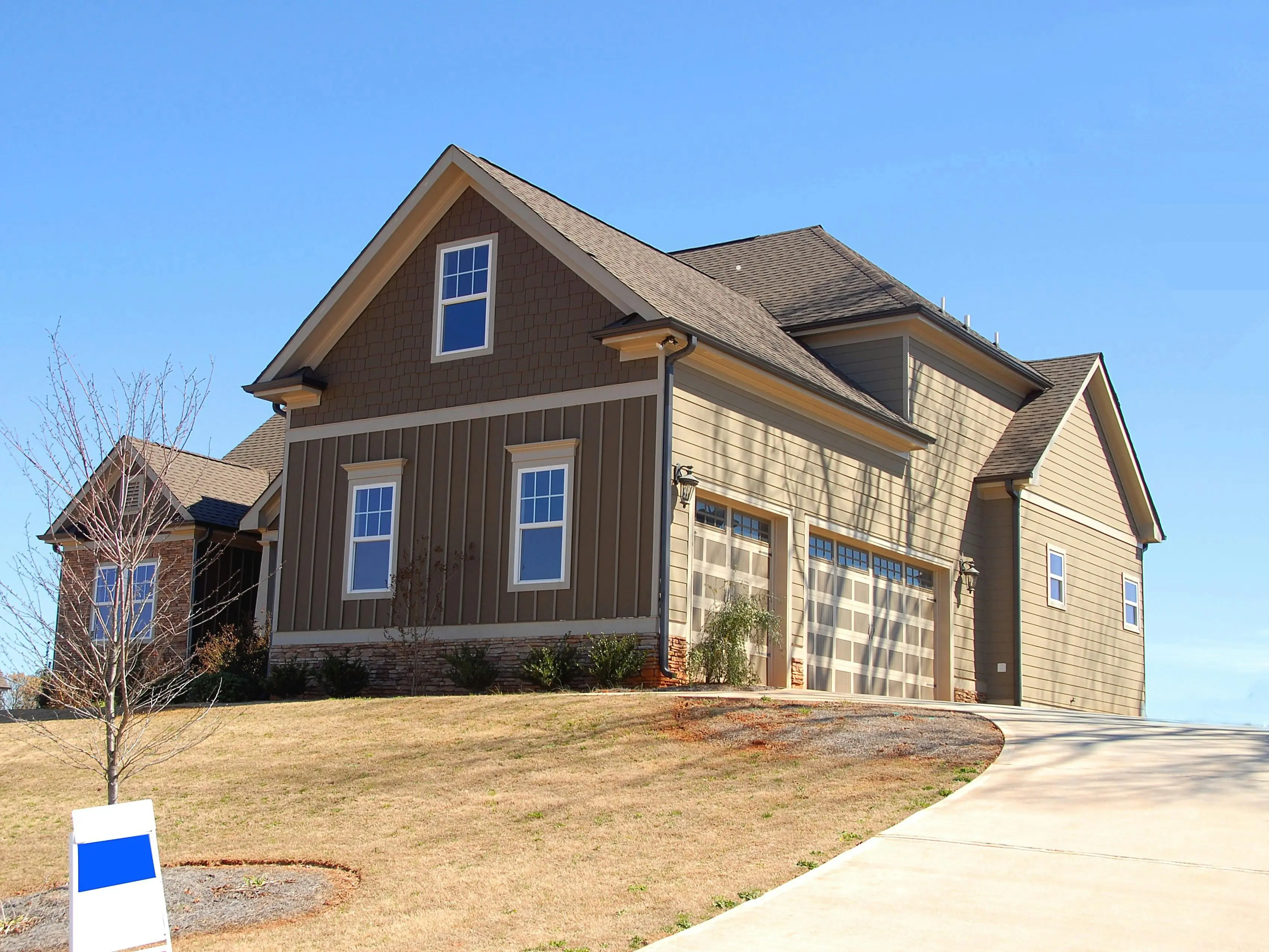
Picking a driveway material isn't just about looks. If you live in Missouri, you already know the weather doesn't make life easy on outdoor surfaces in blazing summers, bitterly cold winters, and the occasional downpour that seems to come out of nowhere. All of that adds up to real stress on whatever you pour, pave, or lay down outside your garage. Your driveway has to survive constant expansion and contraction, soak up moisture without falling apart, and still look decent after a few years. This guide walks through the driveway materials that actually hold up in Missouri, along with the practical trade-offs that come with each one.
How Missouri's Climate Affects Your Driveway
The thing about Missouri weather is it swings hard. One season you're dealing with freeze-thaw cycles that pry apart anything with a weak spot, and a few months later the pavement is baking under summer heat. Add in rain that doesn't always drain the way you'd hope, and you've got a recipe for premature wear if you pick the wrong surface. Before settling on a material, it's worth thinking through:
- How well it handles temperature swings
- Whether water drains away properly or pools up
- How much weight it can take from vehicles day after day
- What kind of upkeep you're signing up for down the road
A driveway that performs beautifully in, say, coastal California might not survive a Missouri winter. Local conditions matter more than glossy marketing photos.
Driveway Materials That Actually Work in Missouri
Not every option on the market is built for what Missouri throws at it. Here's a closer look at the ones worth considering.
Concrete Driveways
Concrete remains a go-to for Missouri homeowners, and it's easy to see why, because it's tough, it's clean-looking, and it doesn't ask much of you once it's down.
What's good about it:
- Lasts a long time when installed correctly
- Stands up well under heavy vehicles
- Doesn't demand much routine attention
- Handles heat better than asphalt does
What to watch out for:
- Freeze-thaw cycles can crack it if the installation wasn't solid to begin with
- Needs sealing periodically to keep it in good shape
- When cracks or repairs do happen, they tend to stand out visually
The trick with concrete is getting the base right and including proper expansion joints from day one. Skip that step and you're inviting trouble.
Asphalt Driveways
One reason so many homeowners go with asphalt is simple: it bends with the heat and cold instead of splitting apart, which matters a lot given how unpredictable Missouri temperatures can be.
Why people like it:
- Moves with temperature swings instead of resisting them
- Holds up better than concrete when the cold sets in
- Drive over it and you'll notice how quiet and smooth it feels
- Costs less to put down than concrete in most cases
Where it falls short:
- You can't skip sealing, it has to be done on a schedule
- Hot summers can leave the surface a bit soft
- Skip the maintenance and it won't keep up with concrete's lifespan
For anyone trying to split the difference between price and how long the thing actually lasts, asphalt is a sensible middle-ground pick.
Gravel Driveways
Gravel is about as low-cost as driveway materials get, and it tends to shine on rural lots or driveways long enough that paving them outright would get expensive fast.
Why people like it:
- Water moves through it with no trouble
- Installation costs are about as low as you'll find
- Topping it off or patching thin spots is no big deal
- Handles long driveways without a problem
Where it falls short:
- Expect to put in more regular work keeping it in shape
- Ruts and shifting tend to creep in over time
- Steep driveways and gravel don't really mix
If looks matter less to you than just having a functional driveway that won't cost a fortune, gravel gets the job done.
Paver Driveways
Pavers land on the higher end of the price scale, but you're paying for a combination most other materials can't match, durability paired with genuine curb appeal.
Why people like it:
- Holds up well and flexes more than you'd expect under pressure
- One unit gets damaged? Just swap it, no need to redo the whole driveway
- Cracks far less often than poured materials do
- Plenty of style options, so customizing the look is easy
Where it falls short:
- The price tag runs higher than most alternatives
- This isn't really a DIY job, you want a professional handling it
- Weeds will find their way between the units if you let maintenance slide
If you want a driveway that performs as well as it looks, pavers are tough to top.
Permeable Driveways
Permeable surfaces have picked up momentum recently, mostly because of how effectively they deal with water.
Why people like it:
- Drainage gets a serious upgrade
- Less runoff ends up flowing into the yard or street
- Pooling and erosion become far less of an issue
- It's about as environmentally friendly as driveway options get
Where it falls short:
- Skip proper base prep and the whole system won't perform like it should
- It needs cleaning now and then to keep working properly
- Installing one takes more effort than a standard driveway
If water tends to collect on your property, it's worth giving permeable driveways a real look.
How to Actually Choose the Right Material
There isn't one universal "best" pick here. It really comes down to your specific property, what you're willing to spend, and how much maintenance you're genuinely up for.
Start with Your Budget
For costs both installation and upkeep swing widely depending on the material. Gravel will save you money upfront, but concrete and pavers frequently make more financial sense once you factor in just how long they stick around.
Get Real About Maintenance
Ask yourself honestly how much time you want to spend on driveway upkeep. Asphalt needs sealing on a regular basis, gravel needs leveling now and then, and concrete will occasionally call for a repair here or there.
Consider How It Looks
Your driveway plays a part in how your home is perceived from the street. Pavers and decorative concrete leave room for creativity, while gravel and asphalt keep things straightforward.
Weigh the Durability Factor
If heavy vehicles or constant traffic are part of the picture, durability needs to be a top priority and that usually means leaning toward concrete or pavers.
Pay Attention to Drainage and Soil
Soil conditions vary quite a bit across Missouri, which makes drainage planning a real factor in the decision. Gravel and permeable pavers generally handle water far better than solid surfaces that don't let anything through.
Installation Quality Matters More Than the Material Itself
Here's a point a lot of homeowners miss: it doesn't matter how good a material is on paper if the installation job is sloppy. Proper base prep, correct grading, and a real drainage plan aren't extras you can skip. They're the difference between a driveway that lasts ten years and one that lasts thirty. When the installation is done right, you typically get:
- Thickness and layering suited to the actual job
- A runoff plan that was thought through, not bolted on as an afterthought
- Noticeably lower odds of cracking or shifting later
- A driveway that actually reaches its expected lifespan
Cutting corners during installation tends to backfire, usually in the form of repair bills that pile up faster than anyone expects.
Keeping Your Driveway Looking Good for Years
A little routine care goes a long way toward protecting whatever you invest in your driveway:
- Seal asphalt on a regular schedule
- Wash down concrete to keep stains from setting in
- Top off and level gravel as it shifts over time
- Catch cracks early and deal with them before they spread
- Make sure water has somewhere to go around the edges of the driveway
None of this is glamorous work, but it's what separates a driveway that ages gracefully from one that falls apart in five years.
Mistakes Worth Avoiding
A few missteps show up again and again when homeowners pick driveway materials:
- Ignoring how the local climate will actually affect the surface
- Choosing purely based on the cheapest upfront price
- Skipping drainage planning entirely
- Hiring installers without the right experience
- Letting maintenance slide once the driveway is in
Avoiding these mistakes early saves a lot of headaches, and money later on.
Final Thoughts
Choosing the right driveway material for a Missouri home comes down to weighing durability, upkeep, and how well a surface handles the local climate. Concrete and asphalt continue to be the most dependable all-around choices, while gravel and pavers give homeowners more flexibility depending on what they're working with budget- and design-wise.
If you want expert guidance on making this decision or help getting it installed right the first time, Drivewayz USA offers practical resources and professional insight into choosing and installing the right driveway material. Get the approach right, and your driveway will hold up beautifully for years to come.
Frequently Asked Questions
Concrete and asphalt tend to come out on top, mainly because they handle temperature swings and daily wear better than most alternatives.
It depends heavily on the material. Concrete can stretch into decades with proper care, while asphalt needs more frequent attention but still holds up well overall.
It can be, especially on rural properties with good natural drainage, just be ready to maintain it more often than other materials.
Concrete generally wins here, though it's not entirely maintenance-free, sealing and occasional repairs still come up from time to time.
Yes, they're particularly useful for managing runoff and improving drainage, which matters a lot in areas that see heavy rainfall.