
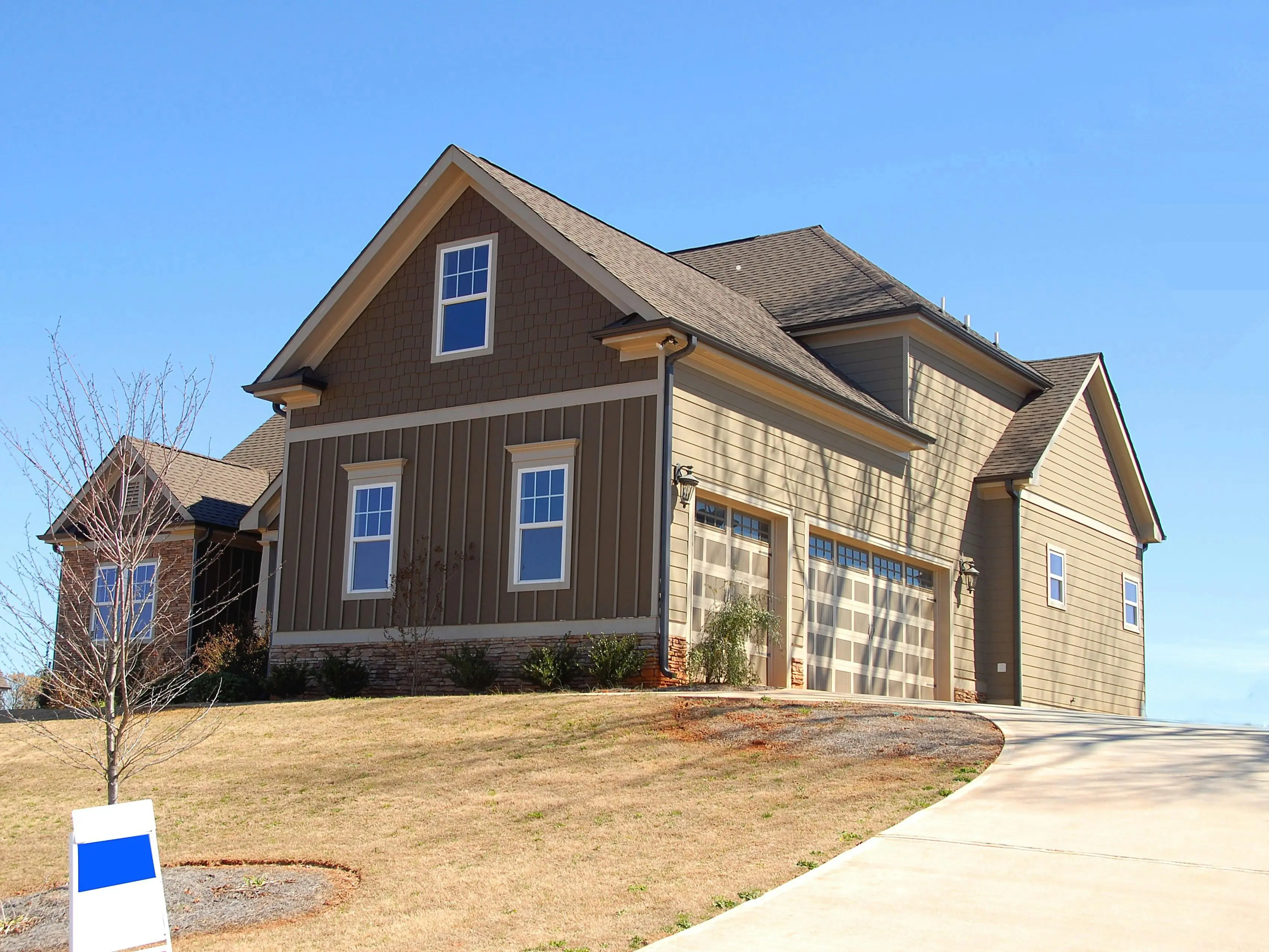
Why Choosing the Best Driveway Material for Minnesota Homes Matters
Minnesota’s climate is famous for its extremes—90 °F summers, –30 °F winters, and everything in between. Add 50+ freeze-thaw cycles each year, road salt, and heavy snowplows, and your driveway becomes one of the hardest-working parts of your property. Picking the right surface now can save you thousands in repairs and countless hours shoveling later.
In this guide we compare the five most popular driveway materials used across the Twin Cities, Duluth, Rochester, and out-state Minnesota. You’ll see real-world costs, life-span data, maintenance checklists, and design tips you can act on today.
Top 5 Driveway Materials for Minnesota’s Freeze-Thaw Climate
1. Asphalt (Bituminous Concrete)
Quick take: Budget-friendly, plow-friendly, and the most common choice in the North Star State.
- Cost: $3–$5 per square foot (standard 12 × 50 ft driveway ≈ $1,800–$3,000)
- Lifespan: 18–22 years with sealcoating every 3–5 years
- Pros: Flexible—expands/contract without cracking like concrete; dark color melts snow faster; easy to patch.
- Cons: Requires periodic sealing; can soften in extreme heat; oil stains show.
Pro tip: Ask your contractor for MN-DOT spec 2360 mix with 5.5–6.0 % asphalt binder. It holds up better against winter sanding chemicals.
2. Concrete (Plain or Air-Entrained)
Quick take: Crisp, clean look that boosts curb appeal; best for south-facing lots that get ample sun.
- Cost: $6–$9 per square foot ($3,600–$5,400 standard driveway)
- Lifespan: 30–40 years if control joints are placed every 10–12 ft
- Pros: Extremely durable; handles heavy SUVs; no sealing needed if you choose integrally colored or broom finish.
- Cons: Susceptible to salt damage—use calcium magnesium acetate (CMA) instead of rock salt; can flake (spall) if installed late in the season.
Pro tip: Insist on 6-sack mix, 4 % air entrainment, and 5-inch slump or less. Minnesota concrete flatwork should have 4-inch compacted base plus 1-inch sand blotter for capillary break.
3. Stamped & Colored Concrete
Quick take: Same structural benefits as plain concrete but with decorative patterns that mimic brick or stone.
- Cost: $10–$15 per square foot
- Keys to success: Use a high-solid, silane-siloxane sealer every 2–3 years to block chloride ions from de-icers.
4. Interlocking Concrete Pavers
Quick take: Modular, replace-one-piece design ideal for homeowners who want a premium aesthetic without the full cost of natural stone.
- Cost: $9–$14 per square foot installed
- Lifespan: 30–50 years
- Pros: Individual units flex with frost heave; no large cracks; snow sticks less to textured top.
- Cons: Polymeric sand joints need replenishing every 5 years; weeds can sprout if neglected; higher upfront price.
Pro tip: Choose a minimum 60 mm thick paver for driveways (80 mm if you park a ¾-ton truck). Verify ASTM C936 specs for freeze-thaw durability.
5. Gravel (Class 5 or Recycled Concrete)
Quick take: Cheapest first cost, but only practical for rural lots with long driveways and minimal city plowing.
- Cost: $1.25–$2 per square foot (plus $300–$500 yearly re-grading)
- Pros: Excellent drainage; never cracks; DIY-friendly repairs.
- Cons: Ruts under tire paths; scattered stones can damage lawn/snowblower; city ordinances may limit use in urban areas.
Pro tip: Install geotextile fabric under the first lift to prevent frost-susceptible silt from pumping up into the gravel.
How Each Material Handles Minnesota’s Harsh Climate
Freeze-Thaw Resistance
Water expands 9 % when it freezes. That hydraulic pressure shoves weak concrete apart and loosens paver joints. Air-entrained concrete and high-PG asphalt binders are engineered to leave microscopic escape routes for expanding water.
Snowplow & Salt Damage
Steel cutting edges can shave soft asphalt or chip concrete edges. Request a 1-inch steel edging border on asphalt drives and chamfered edges on concrete. Switch to calcium-chloride pellets below 5 °F to reduce scaling.
Heat Retention & Ice Melt
Dark asphalt absorbs solar heat, melting snow faster but also creating freeze-refreeze cycles at night. Light-colored concrete reflects heat, staying cooler in July but icier in February. Decide based on your lot’s sun exposure and how much hand-shoveling you’re willing to do.
2024 Minnesota Driveway Cost Breakdown (Typical 600 sq ft Driveway)
| Material | Install Price | Annual Maint. | 30-Year Total |
|---|---|---|---|
| Gravel | $1,200 | $400 | $13,200 |
| Asphalt | $2,400 | $120 (sealcoating) | $6,000 |
| Concrete | $4,200 | $60 (cleaner + sealer) | $6,000 |
| Stamped Concrete | $7,500 | $150 | $12,000 |
| Pavers | $7,000 | $100 | $10,000 |
Prices include removal of old pavement, 4-inch base, and local permits. Add $500–$1,000 if heavy clay soils require geo-grid.
Maintenance Calendar: Keep Any Driveway Alive Through 50 Minnesota Winters
Spring (April–May)
- Power-wash to remove chloride residue.
- Fill asphalt cracks <¼-inch with rubberized crack filler; concrete cracks with backer rod & polyurethane.
- Check paver joints—add polymeric sand where washed out.
Summer (June–August)
- Sealcoat asphalt every 3–5 years when surface turns dull gray.
- Apply breathable silane sealer to stamped concrete or pavers.
- Keep gravel crowned (high in center) and compact with plate compactor after heavy rains.
Fall (September–October)
- Clear leaves—organic acids stain concrete and trap moisture.
- Mark driveway edges with reflective stakes before first plow.
- Stock calcium chloride or CMA; avoid rock salt on concrete.
Winter (November–March)
- Set plow blade to ½-inch above surface; use poly or rubber cutting edge.
- Shovel promptly—less salt needed, less freeze-thaw.
- Scatter coarse sand for traction instead of excessive de-icer.
5-Step Decision Framework for Minnesota Homeowners
- Budget vs. Value: If you’ll sell within 10 years, asphalt gives the highest ROI. Staying forever? Concrete’s 40-year life can be cheaper annually.
- Slope & Drainage: Steep drive? Pavers or broom-finished concrete reduce tire slip; avoid smooth stamped surfaces.
- HOA Rules: Check covenants—some associations require asphalt or limit color palettes.
- Sun Exposure: North-facing, heavily shaded lots keep snow longer—dark asphalt speeds melting.
- Heavy Vehicles: RV, boat, or work truck? Upgrade to 6-inch concrete or 9-inch paver base to prevent rutting.
Insist on These Minnesota-Specific Installation Details
Base Preparation
Freeze-thaw heave usually starts below the pavement. A 4-inch layer of compacted Class 5 aggregate (or recycled concrete) is the minimum; increase to 6 inches if your soil is peat or heavy clay.
Joint & Edge Planning
For concrete, space control joints at 2 × slab thickness (in feet). Example: 4-inch slab = joints every 8 feet. Use a 1-inch asphalt shoulder along concrete edges to absorb plow impact.
Timing & Temperature
Schedule asphalt installs when ground temp ≥ 50 °F and rising. Concrete needs 3 days above 40 °F plus blankets for the first 48 hours. Late October pours often fail—plan for May–September.
Eco-Friendly & Heating Options Worth Considering
Porous Asphalt & Permeable Pavers
Reduce ice formation by letting meltwater drain through, but you must install a 12-inch clean-stone reservoir underneath. Not suitable on clay soils without an under-drain system.
Radiant Snow-Melt Systems
Hydronic tubes or electric cables embedded in concrete cost $12–$20 per sq ft but eliminate plowing. Operate best with off-peak electric rates or high-efficiency boilers.
Recycled Content
Ask for 15–20 % recycled asphalt pavement (RAP) in your mix—it cuts virgin petroleum use and performs just as well in MN climate.
FAQ: Minnesota Driveway Materials
No reputable contractor will pour concrete or lay hot-mix asphalt once ambient temps stay below 40 °F. Cold weather prevents proper compaction and curing. Heated enclosures are cost-prohibitive for residential jobs. Plan for April–October installs, and book early—quality crews book 6–8 weeks out.
Light passenger vehicles: 48 hours. Heavy trucks or RVs: wait 5–7 days. In July heat, add an extra 24 hours because asphalt continues to cure and harden. Turn steering wheels while moving to prevent power-steering scuffs.
Calcium Magnesium Acetate (CMA) is the safest for concrete and pets, effective down to 5 °F. If you need cheaper options, use calcium chloride pellets sparingly and wash slush away once melt occurs. Never use ammonium sulfate or ammonium nitrate—they chemically attack concrete paste.