
Why Snow-Country Driveways Fail Prematurely
Every spring we get the same call: “My brand-new driveway is flaking, cracking, and the plow ate the edge.” Heavy snow regions punish pavement with freeze-thaw cycles, 2-ton plows, 30% salt brine, and 100 lb/ft² snow loads. The best driveway material for heavy snow regions (longevity focus) is the one that survives those four enemies first; curb appeal comes second. Below we rank the four most common materials on a 25-year life-cycle so you can invest once instead of twice.
25-Year Longevity Comparison at a Glance
| Material | Expected Life | Freeze-Thaw Grade | Plow Damage Risk | Salt Tolerance | 25-Year Cost (8,000 ft²) |
|---|---|---|---|---|---|
| Reinforced Concrete (6″, 4 k-psi, air-entrained) | 30–40 yr | A+ | Low | A | $18–22k |
| Hot-Mix Asphalt (3″ binder + 1.5″ wearing, PG 58-28) | 18–22 yr | B+ | Med | B | $10–14k |
| Stabilized Permeable Pavers (8″ open-graded base) | 25–30 yr | A | Very Low | A | $20–24k |
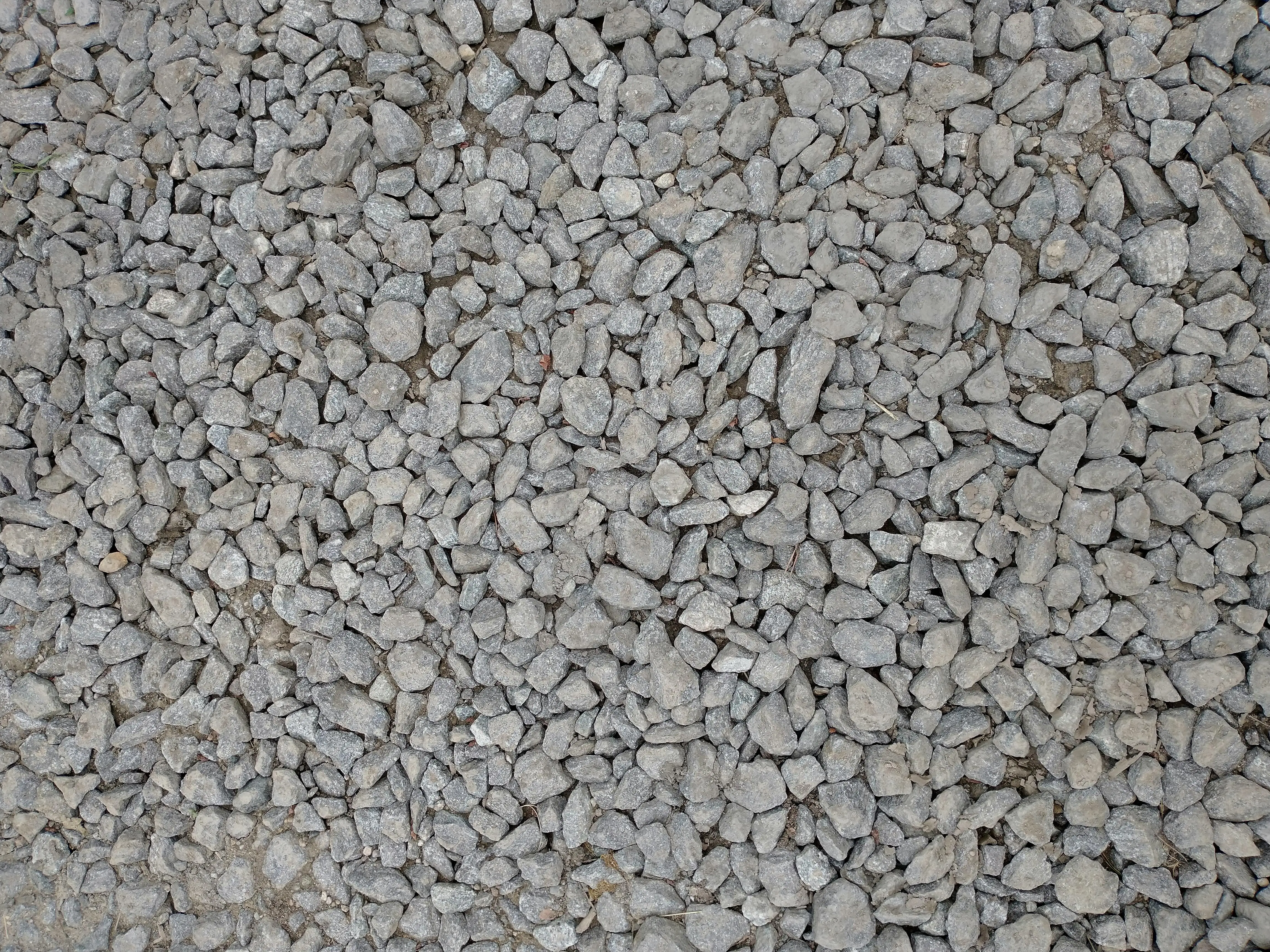
| Gravel with Geogrid & Edge (12″ compacted base) | 10–15 yr* | C | High | D | $4–6k |
*Gravel longevity assumes annual re-grading and snow-plow edge replacement every 5 years.
Reinforced Concrete: The Longevity King
What “Snow-Grade” Concrete Actually Means
- Air Entrainment: 6 ± 1% microscopic air bubbles give frozen water room to expand.
- 4,000 psi Minimum: High compressive strength resists compression from parked vehicles on frozen ground.
- 6-inch Slab with #4 Rebar 18″ OC: Plow impact is distributed across the grid.
- PG 58-28 Asphalt Joint Sealer: Flexible seal prevents salt-filled water from entering contraction joints.
Best-Practice Installation in Snow Zones
- Excavate 12″ below finish grade; proof-roll sub-base with a 10-ton roller.
- Install 6″ minus compacted gravel (98% Std. Proctor) for capillary break.
- Place 2″ rigid insulation board at apron edge if your town uses magnesium-chloride brine.
- Pour in two lifts; vibrate to refusal; wet-cure 7 days—curing blankets keep surface above 40 °F.
- Saw-cut 1¼″ deep joints within 6–12 hours; spacing 10 ft max.
Winter Maintenance That Extends Life
Skip rock salt. Use calcium-magnesium acetate (CMA) or sand for traction. Set plow blades to ½″ above the surface and install a polyurethane cutting edge—concrete will outlive your mortgage.
Hot-Mix Asphalt: Affordable Mid-Life Option
Choose the Right Binder
Order PG 58-28 or PG 64-22 “polymer-modified” mix. The lower high-temp number resists rutting; the -28 low-temp grade stays flexible at -28 °C.
Full-Depth vs. Overlay
Overlays over cracked concrete last 8–10 years. In heavy-snow regions, full-depth (4.5″) on a 12″ aggregate base is the only way to hit 20-year life.
Edge Support & Plow-Proofing
- Install concrete “mow strip” or Belgian block along perimeter; prevents plow from catching brittle edge.
- Sealcoat every 3–4 years with coal-tar-free, rubberized sealer—do it in late summer so it cures before first frost.
Permeable Interlocking Pavers: The Drainage Champion
How Permeability Beats Freeze-Thaw
Water drains through 8 mm joints into a 2-inch choker layer, then into 8-inch open-graded stone reservoir. When there’s no standing water, there’s nothing to freeze and expand. Result: zero surface ice and Class-A freeze-thaw rating.
Snow Removal Advantages
- Textured surface lets plow blades ride ⅛″ above pavers; no scraping.
- Dark charcoal pavers absorb solar heat and melt residual snow faster than asphalt.
- Individual units can be replaced if a plow ever chips one—no patchwork scarring.
Maintenance Trade-Off
Vacuum sweep joints every 18 months to remove sediment. Budget $250 per service or DIY with a 5 hp shop-vac and paver sand refill.
Gravel & Stabilized Grids: Short-Term Savings, Long-Term Labor
Gravel is cheap upfront but the plow is its enemy. Every pass throws stone into the lawn and creates potholes that ice over. Mitigation steps:
- Install geogrid fabric between sub-grade and 12-inch base to reduce rutting.
- Use ¾-inch “road bond” limestone with 8% fines—it knits together after compaction.
- Edge with 4×4 railroad ties encased in concrete to survive plow strikes.
- Re-grade every spring; add 2-inch top-up every other year.
Even with perfect care, expect 10–15-year life before the crown disappears and drainage reverses.
Region-Specific Pro Tips
Upper Midwest (Minnesota, Wisconsin, UP Michigan)
Temperature swings of 60 °F in 24 hours are common. Use 6″ reinforced concrete with 1½-inch foam board along footing to prevent frost heave.
Northeast Corridor (Maine to Pennsylvania)
State DOTs pre-brine roads with MgCl₂. This chemical eats standard concrete. Specify a silane-siloxane sealer (40% solids) applied 28 days after pour and reapplied every 5 years.
Rockies Above 7,000 ft
Intense UV breaks down asphalt binders. Add 0.3% carbon black to sealcoat mix and use light-colored pavers to reduce thermal cycling.
True 25-Year Cost of Ownership (8,000 ft² Driveway)
- Reinforced Concrete: $20k install + $2.5k sealing & joint refill = $22.5k
- Asphalt: $12k install + $4k sealcoat + $6k overlay (year 15) = $22k
- Permeable Pavers: $22k install + $2k maintenance = $24k
- Gravel: $5k install + $7k re-grading & stone = $12k (but value loss from ruts and mud may affect resale)
Concrete and pavers win on longevity; asphalt is cost-neutral but needs more attention; gravel is cheapest only if your time is free.
Homeowner Decision Checklist
- How long do you plan to stay in the home? >15 years → concrete or pavers.
- Do you have a steep grade? >12% → choose permeable to eliminate ice sheets.
- Is your municipality switching to liquid brine? → Demand sealed concrete or polymer-modified asphalt.
- Do you DIY snow removal? → Install paver or concrete with in-ground heating cables (15 w/ft²) for near-zero salt use.
Frequently Asked Questions
A hydronic or electric heated system adds $12–18 per square foot. In snow-belt areas you’ll spend $400–600 per year on plowing and salt. Payback is 18–22 years, but the real value is eliminating freeze-thaw damage and slip liability. Most homeowners pair heating with concrete or pavers for a 30-year+ system.
Wait a full 7 days after the pour (14 days if daytime highs stay below 40 °F). Use a rubber or polyurethane blade and keep it ½ inch above the surface the first winter. Full strength is reached at 28 days; after that, normal steel edges are fine.
No—when installed over an 8-inch open-graded base, they handle 60,000 lb fire trucks. The secret is the interlock: load spreads laterally. Specify 80 mm thick pavers for residential driveways; 60 mm is okay for walkways only.
Quality sealcoating blocks oxidation and salt intrusion, slowing surface brittleness. On a well-built base, sealcoating every 3–4 years can stretch life from 15 to 22 years. Skip the cheap “spray-only” outfits—demand 2-coat, rubberized squeegee application at 0.12 gal/yd².