
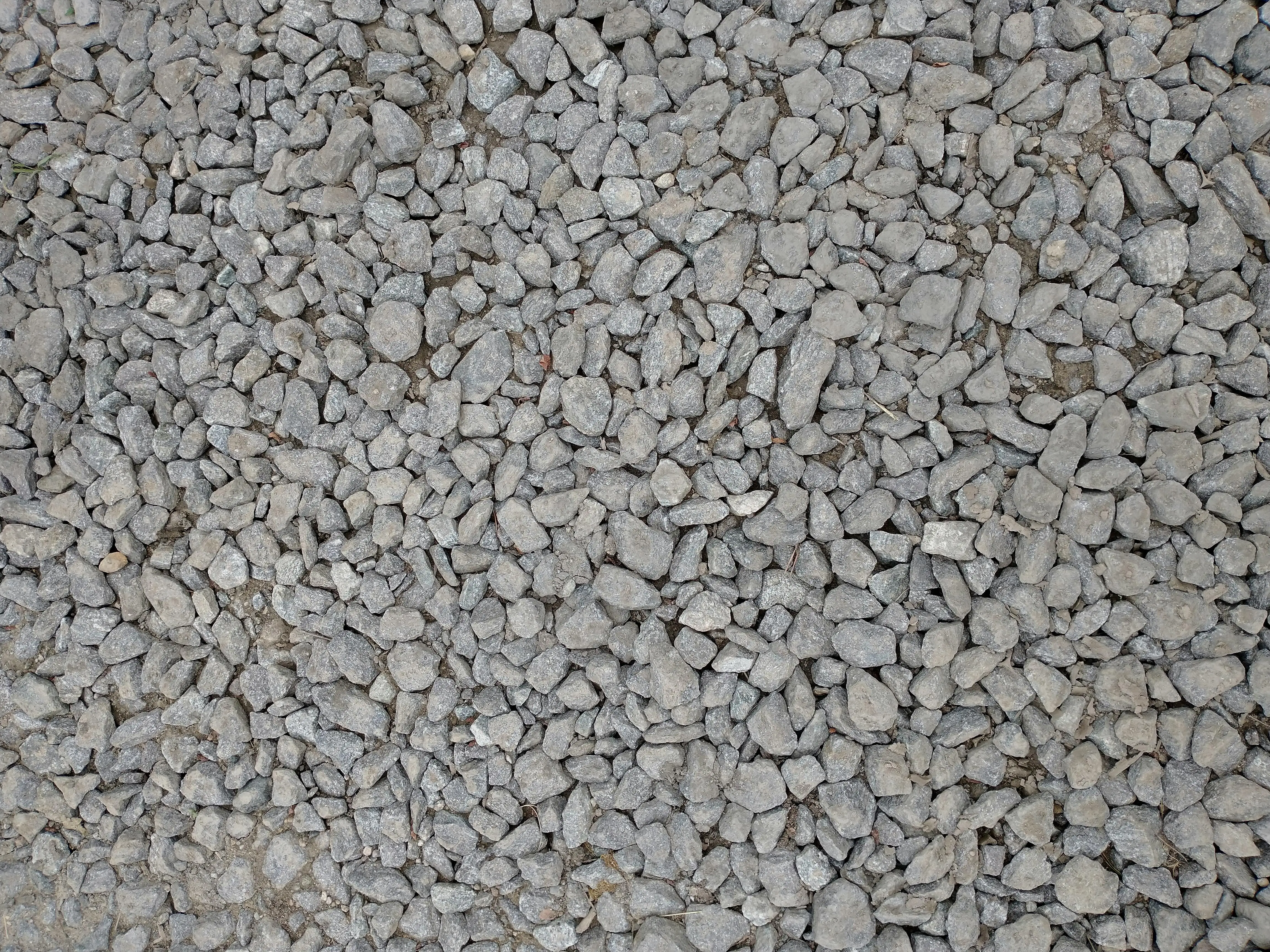
Why Desert Driveways Need Special Care
Triple-digit afternoons, single-digit humidity, and UV indexes that rival the equator—desert living is tough on every exterior surface, but few take a beating like your driveway. The constant thermal cycling (expansion by day, contraction at night) bakes moisture out of standard concrete, fades dark asphalt, and can even warp plastic-based pavers.
Choosing the best driveway for desert heat and sun exposure is therefore less about curb appeal and more about long-term performance. The right material, color, finish, and maintenance plan can add 15–20 extra years of life and spare you costly replacements.
Driveway Materials That Beat the Heat
1. Air-Entrained, Low-Slump Concrete
Standard 3,000-psi concrete cracks when surface temps top 140 °F. Upgrade to 4,000-psi, low-water (4-inch slump) mix with 6–7 % air entrainment. The microscopic air bubbles give expanding moisture room to move, cutting thermal cracking by up to 40 %.
Pro tip: Ask the ready-mix plant for “desert blend” fly-ash replacement (15–20 %). Fly ash reflects more sunlight and reduces surface temperature peaks by 8–12 °F.
2. Concrete Pavers with UV-Stable Pigment
Interlocking pavers shed heat individually, so they rarely reach the surface temps of monolithic slabs. Look for ASTM-C936 pavers with UV-stable iron-oxide coloring. Light “sandstone” or “buff” hues stay 20 °F cooler than charcoal gray.
Base prep: A 1-inch bedding layer of polymeric sand plus a geo-textile liner stops lateral shifting when the ground dehydrates and contracts.
3. Cool-Coat Asphalt with Gilsonite Sealer
Traditional black asphalt can hit 160 °F in July—hot enough to soften and rut under tire pressure. Switch to a light-colored aggregate mix (limestone instead of trap rock) and finish with a gilsonite-based sealcoat mixed with titanium-dioxide reflective beads. Surface temps drop 15–25 °F and the sealant lasts two extra years under UV assault.
4. UV-Resistant Resin-Bound Gravel
Two-part aliphatic polyurethane binders won’t yellow or crumble under sun. Combine with locally quarried tan gravel for a permeable, 140 °F-rated surface that stays cool and puddle-free during summer monsoon bursts.
5. Stabilized Decomposed Granite (DG)
For rustic or LEED-certified homes, polymer-stabilized DG offers a natural look that flexes instead of cracking. A proprietary binder (e.g., TerraPave or G3) locks fines in place while still allowing water to percolate—handy in desert flash-flood zones.
Color & Finish Strategies That Lower Surface Temperature
- Solar Reflectance Index (SRI): Aim for 30 or higher. Light tan concrete reaches SRI 45, while charcoal asphalt sits at 5.
- Exposed aggregate: Removes the fine cement paste that usually flakes under UV, revealing heat-tolerant stones.
- Broom or swirl finish: Creates micro-shadows that cut glare and surface temps by 3–5 °F compared with smooth trowel.
- Light-colored sealers: Clear sealers with aluminum-oxide additives bounce back 35 % more infrared radiation.
Installation Tricks for Desert Longevity
Best Pouring Season & Daily Timing
Schedule concrete or asphalt pours between October and March when overnight lows stay above 45 °F. Start at 5 a.m. to finish stamping/sealing before noon. A 20 °F drop in pour temperature can double the cure strength.
Strategic Control & Isolation Joints
Place joints every 8 ft in concrete, not the standard 12 ft. Fill with gray closed-cell backer rod and polyurethane caulk rated to –40 °F to 200 °F. The flexible seal keeps desert sand out and prevents “spalling” cracks.
Base Layer & Drainage
Desert soil can go from concrete-hard to mush in a single downpour. Lay 6 in. of compacted Class II road base plus a 4-in. perforated drain pipe along the lowest edge. You’ll protect the slab from heaving during sudden monsoon soakings.
Low-Maintenance Routines That Add 10 Years
- Spring rinse, fall seal: Power-wash to remove alkaline dust, then roll on a breathable silane-siloxane sealer every two years.
- Spot shade: Moveable shade sails or carports reduce afternoon surface temps by 25 °F along tire tracks—the first area to fail.
- Weed control: Spray a pre-emergent herbicide in March before summer heat germinates stubborn desert weeds that widen cracks.
- Tire rest pads: If you park an RV or trailer, set 2-ft² interlocking paver pads where tires sit. Asphalt or concrete underneath won’t deform under sustained load plus heat.
Cost vs. Value: Desert-Rated Options at a Glance
| Material | Installed Cost/sq ft (AZ, NV, NM avg.) | Expected Life in Desert | Cost per Year* |
|---|---|---|---|
| Air-entrained concrete (light color) | $8 – $10 | 30 – 35 yrs | $0.27 |
| UV-stable concrete pavers | $12 – $15 | 35 – 40 yrs | $0.34 |
| Cool-coat asphalt | $5 – $7 | 18 – 22 yrs | $0.28 |
| Resin-bound gravel | $10 – $14 | 20 – 25 yrs | $0.40 |
| Stabilized DG | $3 – $5 | 12 – 15 yrs | $0.25 |
*Based on mid-range install cost divided by average life. Maintenance included.
DIY Cooling Hacks for Existing Driveways
- Reflective micro-coating: Roll on a white elastomeric roof coating thinned 10 % with water. It adheres to sealed concrete and drops surface temps 18 °F for about $0.50/sq ft.
- Aluminum solar shields: Place 2-ft-wide rolls of reflective foil-faced bubble wrap along the hottest edges; hold down with landscape staples. Invisible from the street yet drops edge temps 10 °F.
- Night irrigation mist: A 30-second micro-mist at 10 p.m. accelerates evaporative cooling and washes off alkaline dust. Use a hose timer to avoid over-watering.
FAQ – Desert Driveway Edition
Not at all. In desert Southwest markets, buyers associate lighter driveways with energy efficiency and lower upkeep. A 2023 Zillow study showed homes with SRI 30+ driveways sold 2.3 days faster in Phoenix–Tucson corridors.
Standard advice is every 3 years, but with a UV-stable gilsonite plus TiO₂ top coat you can stretch to 5 years. If the surface turns ash-gray or you see loose aggregate, schedule a seal immediately.
Yes—and encouraged. Permeable resin or pavers count as “hardscape that allows rainwater harvesting,” exempting you from some HOA restrictions. Check city codes; Tucson even rebates $2/sq ft for qualifying permeable installs.
A small 200-sq-ft parking pad is DIY-friendly if you rent a plate compactor and follow base-depth specs. For anything over 500 sq ft or with slope drainage, pro compaction equipment and laser screeds prevent future settling and wave-like ridges.