
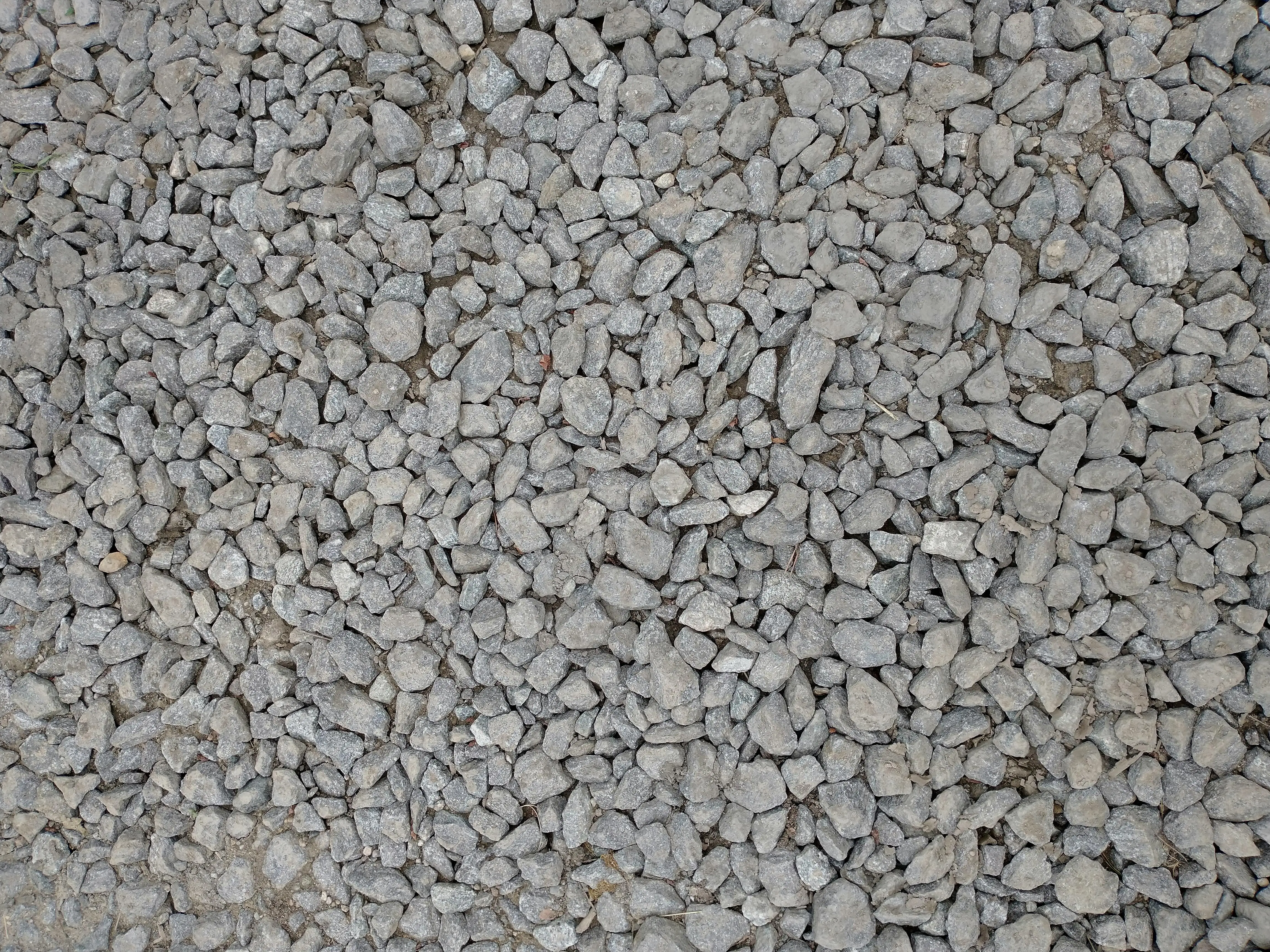
Why Hot-Climate Driveways Need a Budget-Smart Plan
Triple-digit afternoons, sudden monsoon downpours, and year-round UV bombardment can turn a bargain driveway into an expensive repair bill. The trick is picking a surface that shrugs off heat, resists thermal cracking, and still leaves cash in your pocket for that backyard grill station. Below we compare the four cheapest hot-climate options, show real installed prices, and give you the maintenance playbook that keeps each one alive for decades.
What Makes a Material “Hot-Climate Ready”?
Before you price pavers, vet each candidate against these four desert-proof criteria:
- Low thermal expansion: The less it swells, the fewer stress cracks appear.
- High solar reflectance: Light-colored surfaces absorb less heat and stay cooler.
- UV stability: Binders (asphalt, rubber, resins) must not oxidize or “cook” under sunlight.
- Rapid drainage: Summer cloudbursts drop inches of rain in minutes; water needs somewhere to go.
Budget Options Ranked: Up-Front Cost vs. 15-Year Cost
Prices below include professional installation in Sun-Belt metro areas (Phoenix, San Antonio, Tampa) updated 2024. Add 10% if you live outside a major hub.
1. Recycled Asphalt (a.k.a. Reclaimed Asphalt Pavement, RAP)
Price: $1–$2 per sq ft installed, $0.40 per sq ft DIY.
Pros:
- Recycled millings harden into a semi-solid, dust-free mat that costs 60–70% less than virgin hot-mix.
- Dark color absorbs heat, re-melting binders and “self-healing” small cracks each summer.
- Permeable: allows monsoon water to percolate, reducing puddling.
Cons:
- Edges can unravel if not tacked with emulsion.
- Not ideal for steep grades; can migrate downhill above 8% slope.
Pro Tip: Ask your contractor to mix in 2% recycled motor oil or soy-based rejuvenator; it reactivates old binders and knocks another 10° F off surface temps.
2. Crushed Granite or Limestone Fines
Price: $0.70–$1.20 per sq ft installed, $0.25 DIY.
Pros:
- Light color reflects heat—up to 30° F cooler than asphalt.
- Excellent permeability; qualifies for storm-water tax credits in many cities.
- “Locking” angular particles create a firm stroller-friendly surface.
Cons:
- Needs re-grading every 2–3 years; expect to top-dress ¼” annually.
- Can track into the house if you skip the stabilizing step.
Pro Tip: Blend fines with 10% portland cement, mist, and compact for a “poor-man’s concrete” that hardens but still breathes. Cost climbs only $0.30 per sq ft and doubles lifespan.
3. Chip Seal (Tar & Chip)
Price: $2–$3 per sq ft (single layer), $3.50 double layer.
Pros:
- UV-stable liquid asphalt plus light-colored chips equals a cooler, glare-free surface.
- Textured finish hides oil drips and provides skid resistance.
- No sealing required; occasional re-chip at year 10.
Cons:
- Loose chips first month—sweep weekly or you’ll flick rocks at your siding.
- Not snow-plow friendly; edge delamination can start if scraped.
Pro Tip: Choose locally quarried light limestone or marble chips; they cost 30% less than imported granite and stay cooler under bare feet.
4. Stamped Concrete Overlay (Micro-Topping)
Price: $3.50–$5 per sq ft (2-coat system), 20-year warranty.
Pros:
- ¼” polymer-modified layer bonds to existing concrete, so you skip full removal.
- Reflective acrylic stains drop surface temps 15–20° F.
- Custom stone or tile look boosts curb appeal without HOA fines.
Cons:
- Needs a stable base—if your old slab is heaved, budget for patching.
- Re-seal every 3–4 years ($0.75 per sq ft).
Pro Tip: Ask for a “cool-pigment” sealer with infrared-reflective oxides; it costs $25 more per 5-gal pail but can drop summer temps another 8° F.
DIY vs. Hire: Where to Save, Where to Spend
Can I Install Recycled Asphalt Myself?
Yes—if you own a 3-ton roller (rent $220/day). Spread 3” loose, spray 0.25 gal/sq ft emulsion, roll in two directions. Edge restraint is critical; tack-down boards or asphalt berm keep the millings from wandering.
When to Call a Pro for Chip Seal
Emulsion temperature must stay 150–185° F; contractors use insulated tankers. Miss that window and the oil won’t bond. Save your weekend—hire this one out.
Hot-Climate Maintenance Playbook
- Spring: Pressure-wash, fill cracks >¼” with polyurethane sealant. Light surfaces—apply bleach solution to kill mildew before it stains.
- Summer: Hose down dark driveways at 5 p.m.; rapid evaporation cools the surface and reduces thermal shock when the sprinkler hits 100° F concrete.
- Fall: Re-apply chip seal over worn spots, or top-dress crushed granite with fresh fines. Add geotextile underlay if weeds poke through.
- Winter: Skip rock salt—it eats both concrete and asphalt. Use calcium magnesium acetate (CMA) if a rare freeze hits.
Tax Credits & Rebates That Lower Your Real Cost
- Storm-water utility rebate: Many cities refund $0.50–$1 per sq ft for permeable surfaces (crushed granite, RAP). File the rebate before you start; photos of finished work are required.
- EnergyStar cool-roof tax credit (extended to pavements): Light-colored stamped overlays with solar reflectance >0.25 qualify for 10% credit up to $500. Ask your contractor for a CRRC test certificate.
Bottom Line: Which Budget Surface Wins?
If your driveway is flat to gently sloped and you like the rustic ranch look, recycled asphalt millings give the lowest 15-year cost—about $1.75 per sq ft including one re-spray at year 8. For zero tracking and cooler feet, crushed granite stabilized with cement is unbeatable at roughly $1.50 per sq ft over the same period. Either way, insist on proper edging, grade away from the foundation, and seal the deal with a local installer who guarantees their work for at least two full summers.
FAQ
Millings can soften on the very hottest afternoons, but adding a rejuvenator and compacting to 92% density raises the softening point. Surface temps stay firm under foot; only tire turning on parked cars may leave light marks—use drip pans or plywood squares if that bothers you.
Start with 6” of ¾” minus crushed stone as a base, compact in 3” lifts. Top with 2” of fines. That 8” total handles 12,000-lb wheel loads without rutting.
The light tar odor disappears after the first 48–72 hours of summer sun. Cool, overcast weather can stretch curing to a week; keep windows closed and avoid outdoor parties until the sheen dulls.