
Why Snowy Climates Demand a Budget-Smart Driveway
Blizzards, freeze-thaw cycles, and rock-salt trucks can wreck a driveway faster than you can say “nor’easter.” Yet nobody wants to spend luxury-car money on a place to park the family SUV. The sweet spot is a surface that laughs at plow blades, stays safe underfoot, and leaves enough cash left over for a snowblower—or a beach vacation once spring finally shows up.
In this guide we rank the best budget driveway material for heavy snow regions, unpack real installed costs, and give you pro tips to stretch every dollar through winter after winter.
What Winter Actually Does to Your Driveway
Before you swipe the credit card, understand the enemy. Snowy climates hit pavements with a four-punch combo:
- Freeze-thaw: Water enters tiny cracks, expands when it freezes, and pops the surface like tiny jackhammers.
- Plow shear: Metal blades scrape and gouge anything softer than aggregate or cured concrete.
- Rock-salt & brines: Chlorides eat unsealed concrete and accelerate rust on steel reinforcement.
- Ice-melt drip: Run-off refreezes at the apron, creating lift-off pressure on edges.
Choose a material that handles all four or you’ll be repairing instead of relaxing every March.
Top 5 Budget-Friendly Driveway Materials for Heavy Snow Areas
We graded each option on five homeowner-friendly criteria:
- Installed cost (national average, 12×24-ft driveway)
- Snow-plow tolerance
- Freeze-thaw resistance
- DIY potential
- Life-span with basic upkeep
1. Asphalt—The Snow-Belt Standard
Cost: $3–$5 per sq ft installed ($850–$1,400 for a 288 sq ft pad).
Why it wins: Black surface absorbs heat, melting snow faster; flexible enough to shrug off plows; easy to patch with $15 bags of cold-patch.
Budget hacks:
- Buy end-of-season: pavers discount leftover mix September–October.
- Seal-coat yourself every 3 years; $40 of sealer beats $1,200 of resurfacing.
- Request 4-in. compacted base plus 2-in. surface course—thicker lasts longer for pennies more.
Downsides: Needs sealing; can soften under studded tires or hot chains.
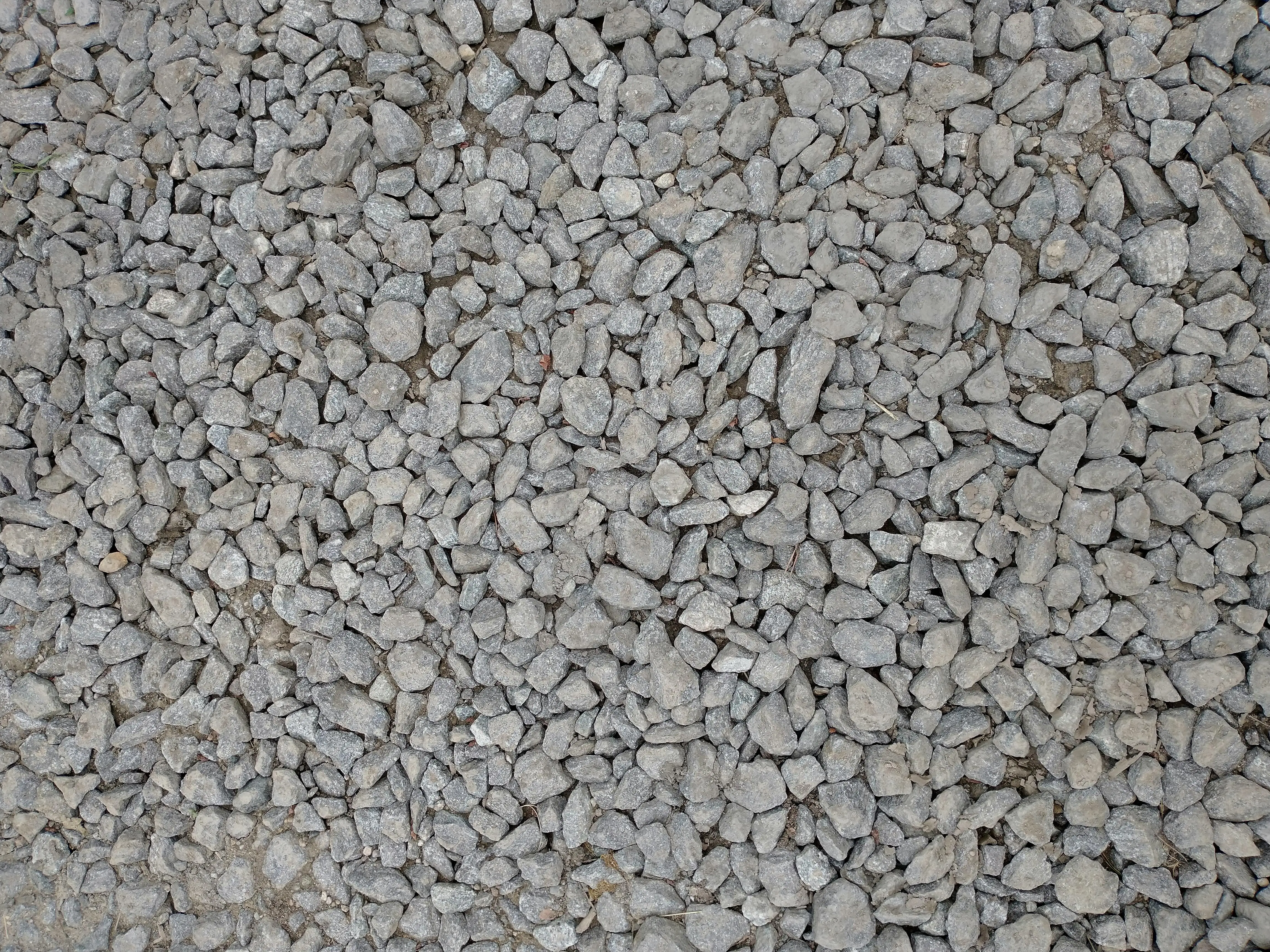
2. Gravel—Cheapest First Cost, Highest Upkeep
Cost: $1–$3 per sq ft ($300–$850 total) if you spread yourself.
Winter reality check: Plows push stones into the yard; you’ll rake every spring. Add a snow-grate or set plow shoes ½ in. higher to reduce scooping.
Pro tip: Use ¾-in. crushed limestone with fines—it knits together and minimizes “snow-eating” voids.
Bonus: Instant drainage = fewer freeze-thaw heaves.
3. Plain Air-Entrained Concrete—When You Want Zero Ruts
Cost: $5–$7 per sq ft ($1,400–$2,000). Add $0.50/sq ft for air-entrainment (microscopic air bubbles give freeze-thaw room to expand).
Pluses: Hard, smooth shoveling; handles salt better if sealed.
Budget angle: Pour in two 12-ft sections and control-joint yourself—saves $300 on a pump truck.
Caution: Once cracked, repairs are visible; not as DIY-friendly as asphalt.
4. Permeable Pavers—Eco & Ice-Safe
Cost: $6–$9 per sq ft for basic 4×8 concrete pavers on crushed-stone open base.
Snow advantage: Meltwater drains through, so no refreeze puddles. Less salt needed (saves $50+ per winter).
Money saver: Buy seconds or “farm-edge” pavers direct from manufacturer; color match doesn’t matter under snow.
Trade-off: Weed seeds can sprout; hit with polymeric sand every other year.
5. Recycled Asphalt/Chipseal—Rural America’s Hidden Gem
Cost: $2–$3 per sq ft DIY; $3–$4 installed.
What it is: Ground-up old pavement mixed with hot emulsion, rolled over packed gravel.
Performance: Bonds into a semi-flexible mat; dark color speeds melting.
Longevity: 8–10 years if you reseal with emulsion every other fall ($75 in material).
Best for: Long lanes or acreages where asphalt trucks would charge travel fees.
True 10-Year Cost of Ownership in Snow Country
Sticker price rarely tells the whole story. We added typical maintenance, winter salt savings, and plow-related repairs to see what each surface really costs over a decade.
| Material | Install | 10-yr upkeep | Total |
|---|---|---|---|
| Gravel | $600 | $1,000* | $1,600 |
| Recycled asphalt | $1,000 | $400 | $1,400 |
| Standard asphalt | $1,200 | $550 | $1,750 |
| Air-entrained concrete | $1,700 | $300 | $2,000 |
| Permeable pavers | $2,000 | $400 | $2,400 |
*Includes two $250 re-graveling events and annual $50 rake/grade.
Winner on a tight budget: recycled asphalt. Best long-term value if you hate maintenance: air-entrained concrete.
Installation & Winter-Prep Tips That Save Cash
Base First, Surface Second
Every material above needs 4–8 in. of compacted crushed stone. Skip this and you’ll be replacing, not repairing. Rent a plate compactor for $60/day—cheaper than a do-over.
Slope for Drainage, Not for Sliding
1–2% grade away from garage keeps meltwater from pooling and refreezing. A $20 string-line level prevents thousand-dollar ice damage.
Seal Before the First Snow
Whether asphalt or concrete, apply sealer when temps stay above 50 °F for 24 h. Early fall timing locks out chlorides before road crews start salting.
Install Heat-Safe Edge Restraints
Plastic or aluminum edging stops plows from nibbling paver sides. $1 per linear foot beats resetting shifted blocks in April.
Mark the Edges
Fiberglass driveway markers ($2 each) let the plow driver stay on track and off your lawn—saving both sod and stone.
Low-Cost Winter Maintenance Checklist
- Use plastic or poly-cutting edge on your plow; metal gouges asphalt and concrete.
- Switch to calcium-magnesium acetate (CMA) on concrete—$5 more per bag, but halves surface scaling.
- Shovel early and often; friction from tires on bare pavement melts final dusting and reduces salt need.
- Fill new cracks by Thanksgiving; water can’t freeze in what it can’t enter.
- Blow, don’t throw: a $100 electric snow blower pays for itself when you factor in reduced salt and chiropractor visits.
DIY vs. Hiring a Driveway Pro: Where to Spend, Where to Save
DIY-friendly: gravel, recycled asphalt, basic chip-seal. You can stage these over weekends and borrow a roller from the equipment store.
Hire-it-out: hot-mix asphalt (needs 300 °F delivery), concrete pours over 5 cu yd (90-minute set window), and any job requiring a DOT-approved base for town inspections.
Half-and-half hack: Build your own packed base, then bring in a paver for the final 2-in. asphalt layer—saves roughly 30% on labor.
Final Verdict: Which Budget Material Should You Choose?
If your driveway is long, your wallet thin, and you don’t mind raking stones each spring, gravel is unbeatable first-cost. For a city lot where you plow weekly and hate maintenance, recycled asphalt hits the sweet spot between price and plow durability. Got heavier traffic or just want the quietest shoveling surface? Upgrade to standard asphalt and seal it like clockwork. Homeowners who value decades of near-zero upkeep—even if it costs a bit more today—should lean toward air-entrained concrete or permeable pavers.
Whichever route you take, invest in a solid base, seal before salt season, and teach the plow guy where your edges are. Do that, and your budget driveway will greet spring intact—and so will your bank account.
FAQ: Best Budget Driveway Material for Heavy Snow Regions
Yes—if you start with a 4-in. compacted stone base and seal every 2–3 years. Cracks smaller than ¼ in. get filled in fall; bigger ones get patched. Done religiously, even “budget” 2-in. asphalt can deliver 15–20 years in snow-belt states.
Adjust the scraper bar to ½ in. above the surface and install skid shoes. For new gravel drives, wait until the stones have knit together (usually after the first rain and a few roll-overs) before the first big blower session.
Over a 10-year span, plowing averages $20–$30 per visit versus your time and salt for shoveling. Because asphalt’s dark surface melts faster, you’ll often need half the salt, saving $40–$60 per winter—enough to offset a few plow visits.
Absolutely. Big-box stores sell 4×8 permeable pavers for $2–$3 sq ft. The critical (and labor-intensive) part is excavating and layering the open-graded stone base. Rent a plate compactor, follow the cross-section in the manufacturer’s spec, and you can cut installed cost by 40–50%.