
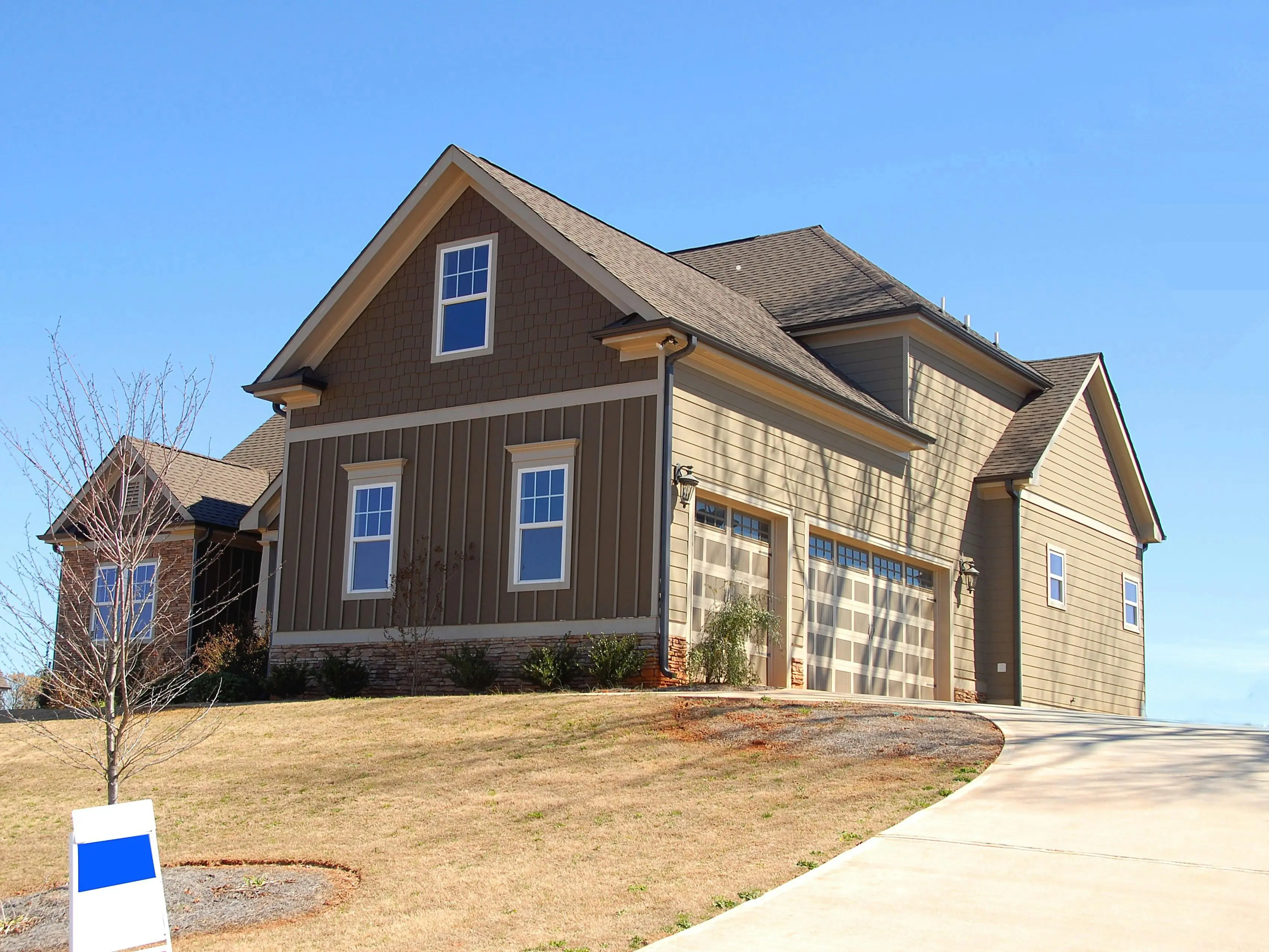
Ant Hill Prevention in Paver Driveways: What Every Homeowner Should Know
Ant hills popping up between your beautiful pavers are more than an eyesore—they’re a warning that sand is washing out and the base below is starting to shift. Left alone, ants undermine the interlock, invite weeds, and shorten the life of an expensive driveway. The good news? A few low-cost habits and the right materials can stop ants before they ever break ground. Below you’ll find a step-by-step playbook any homeowner can follow, plus pro-level tips we use on Drivewayz USA jobs to keep pavers ant-free for decades.
Why Ants Choose Paver Driveways (and Why You Should Care)
Pavers sit on a thin bed of sand with joints that stay slightly moist and shaded—perfect tunneling territory. Ants remove this sand to build their colonies, creating hollow pockets that let pavers rock, sink, and crack. Once a colony is established, pesticide sprays only knock down surface workers; the queen deep below keeps sending replacements. True ant hill prevention in paver driveways means making the whole habitat unattractive, not just killing the scouts you see.
Early Signs of Ant Activity
- Piles of fine sand on top of the pavers, especially after rain
- Joint sand that looks sunken or “missing” in 1–2 inch patches
- Pavers that click or rock when you step on them
- Small mounds of soil along driveway edges or expansion joints
Spot any of these? Act within a week to prevent full-blown colonization.
The 5-Step Ant Hill Prevention Plan
Step 1: Lock Out Ants with Polymeric Sand
Standard joint sand is a buffet for ants. Polymeric sand contains a glue-like polymer that hardens when wet, turning joints into a solid, ant-proof barrier. Re-sanding takes one afternoon and costs 20–30 ¢ per sq ft in materials.
- Pressure-wash old sand down to 1 ¼ in. depth.
- Let the driveway dry 24 h.
- Sweep polymeric sand in until joints are full.
- Use a plate compactor with rubber pad to vibrate sand deeper; top up again.
- Blow off every grain on the surface with a leaf blower.
- Mist lightly—three passes, 30 min apart—to activate the polymer.
Step 2: Seal the Surface Every 3–5 Years
A quality urethane or water-based acrylic sealer coats the pavers and the hardened polymeric sand, making it almost impossible for ants to chew through. Sealers also repel oil and UV rays, so you get bonus protection. Two thin coats rolled on a Saturday morning will do the trick.
Step 3: Eliminate Food & Water Sources
- Move trash and recycling bins 3 ft away from the driveway.
- Sweep up grass clippings and autumn leaves weekly—they hold moisture.
- Trim back shrubs so the surface dries quickly after rain.
- Fix irrigation heads that spray onto the pavers.
Step 4: Install a 6-Inch Crushed-Stone Edge
Ants usually tunnel in from surrounding soil. When we install new paver driveways, we trench the perimeter 6 in. deep and pack #57 crushed stone topped with concrete edge restraints. The sharp stone discourages digging and the concrete strip blocks the entry ramp.
Step 5: Apply a Bait, Not a Spray, If You See Scouts
Sprays kill on contact but warn the colony to split and relocate. Instead, place sugar-or protein-based boric-acid bait stations along the driveway edge. Foraging ants carry the slow-acting poison back to the queen, collapsing the nest in 5–7 days without disturbing your joint sand.
DIY vs. Professional Ant-Proofing
Re-sanding and sealing are doable DIY projects if you own a plate compactor and a free weekend. Where pros add value:
- Commercial-grade sealers with 5-year ant-block warranties
- Compressed-air joint refilling that reaches 2 in. deep—deeper than broom sweeping
- Post-treatment inspections included in annual maintenance plans
Expect $1.50–$2.25 per sq ft for a full clean, poly-sand, and seal package. Compared with $6–$8 to lift and re-lay sunken sections, prevention is the bargain.
Best Products for Ant Hill Prevention in Paver Driveways
We’ve field-tested dozens. These consistently score highest:
- Dominic Polymeric Sand Plus – Flexes with freeze-thaw, resists ants for 7+ years
- SureBond SB-6000 Wet-Look Sealer – Low-gloss, non-yellowing, 5-year warranty
- Terro Outdoor Liquid Ant Baits – Boric-acid based, rain-proof station
- Spectracide Triazicide Insect Killer Granules – Perimeter lawn treatment, keeps ants 3 ft away
Always follow label rates; more is not better and can stain pavers.
Seasonal Maintenance Checklist
Spring
- Inspect joints for winter loss; touch-up polymeric sand where needed
- Apply fresh sealer if water no longer beads
- Spread ant bait stations after first 70 °F day
Summer
- Mid-season blower clean to remove organic debris
- Check irrigation spray patterns; adjust heads
Fall
- Pressure-wash fallen leaves, re-apply sealer if you see matte patches
- Install crushed-stone edge on any bare spots
Winter
- Use calcium chloride ice melt—sodium chloride degrades polymeric sand
- Avoid metal shovels that can chip joint edges
Frequently Asked Questions
A quality “wet-look” sealer deepens color slightly but won’t turn pavers shiny. Add a clear anti-slip grit (looks like sand) to the second coat if your driveway is on a steep grade; it’s invisible once dry.
Wait 30 days so the stone dust base fully compacts and any efflorescence (white salts) can surface and be washed away. Applying polymeric sand too early traps salts and weakens the bond.
Boric-acid baits have very low mammalian toxicity when used as directed. Place stations under a light paver chip or inside a protective bait station so pets can’t chew them. Store unused bait on a high shelf.
Home remedies kill surface ants but rarely reach the queen. Boiling water can also crack pavers and wash out joint sand. Use bait for colony elimination and polymeric sand plus sealer for long-term ant hill prevention.